
Search News
Industry Portal
Hot Articles
Kevlar Cut-Resistant Suits: Key Fit and Coverage Mistakes to Avoid
Time
Click Count
Kevlar cut-resistant suits can prevent devastating injuries, yet protection often fails for one simple reason: the suit does not fit the body or cover movement zones correctly.
As industrial safety standards evolve, users expect lighter materials, better mobility, and stronger confidence in special PPE performance under real pressure.
That shift makes fit and coverage more important than fabric strength alone. A certified suit still underperforms when sleeves ride up, seams pull, or overlap disappears during work.
This guide explains the most common mistakes with Kevlar cut-resistant suits, why these errors are becoming more critical, and how to choose protection that truly works.
Why fit and coverage errors are becoming a bigger safety issue
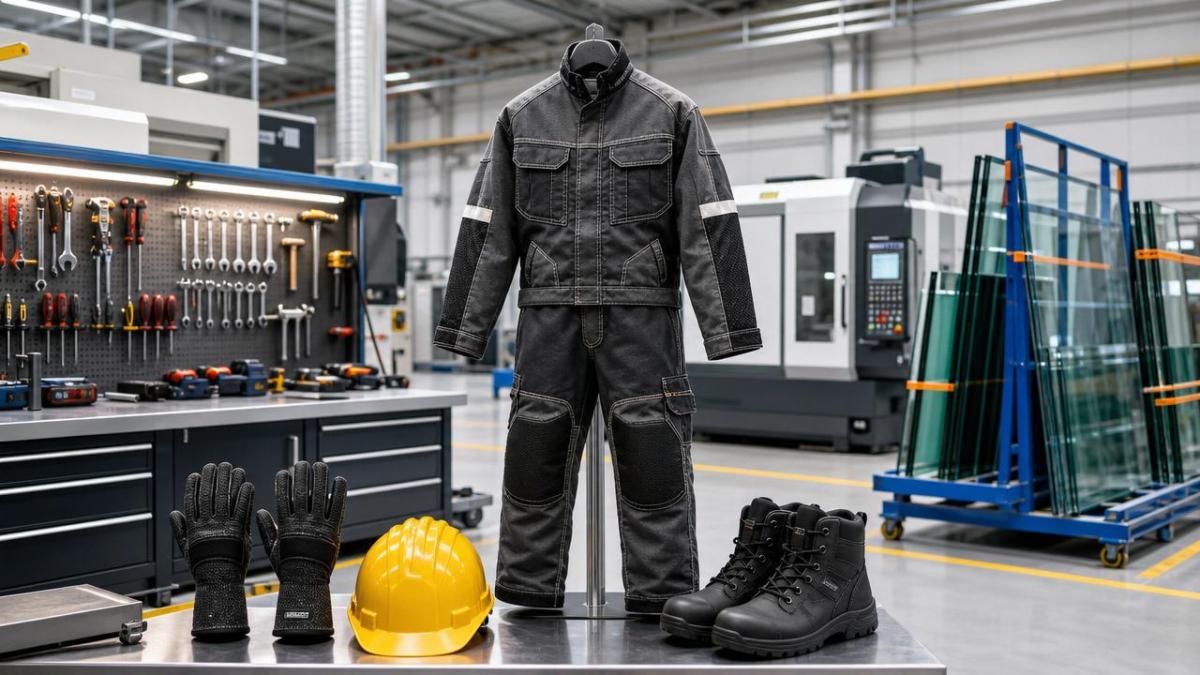
Across construction, fabrication, utilities, glass handling, demolition, and maintenance, jobsite hazards are changing faster than legacy PPE habits.
Workers now move between cutting, lifting, climbing, scanning, and machine interaction more frequently. Static protection assumptions no longer match dynamic working patterns.
At the same time, advanced materials have reduced garment weight. That improvement increases comfort, but it also raises expectations for precise ergonomic performance.
In broader smart industry environments, protective clothing must function beside harnesses, gloves, access devices, lighting systems, and power tools without creating unsafe interference.
For that reason, Kevlar cut-resistant suits are no longer judged only by material rating. They are judged by real coverage during bending, reaching, crouching, and twisting.
The market signal is clear: protection must move with the body
A growing trend in special PPE is the move from simple barrier thinking to movement-based risk control.
That means buyers and users increasingly ask different questions before selecting Kevlar cut-resistant suits.
- Does the suit stay in position when arms extend overhead?
- Will the crotch, wrist, neck, and ankle areas remain covered during kneeling or climbing?
- Can the user wear gloves, boots, respirators, or harnesses without exposing cut-risk gaps?
- Is the fit close enough for control, but loose enough for circulation and mobility?
These are not minor comfort details. They directly affect whether Kevlar cut-resistant suits deliver reliable protection in motion.
The main forces driving stricter attention to Kevlar cut-resistant suits
Several factors are pushing fit and coverage to the center of PPE evaluation.
The most dangerous fit mistakes users still make
Choosing oversized protection for comfort
A loose suit may feel safer, but excess fabric can snag, shift, and bunch at joints.
When sleeves rotate or trouser legs twist, cut-risk areas may no longer align with the intended protective panels.
Choosing a tight fit to reduce bulk
A suit that is too tight limits reach and stresses seams. It may also pull open vulnerable zones during bending or overhead work.
Tension around shoulders, knees, elbows, and the seat area is a common warning sign.
Ignoring body shape and layering
Sizing charts often fail when users wear thermal layers, cooling garments, or impact protection underneath.
Kevlar cut-resistant suits should be tested with the actual base layers and accessories used on the job.
Assuming one size works across all tasks
Tasks involving glass, scrap metal, cable pulling, or sharp-edged sheet handling demand different movement patterns.
A suitable fit for walking inspections may fail during kneeling, crawling, or repetitive arm extension.
Coverage gaps are the hidden weakness in many Kevlar cut-resistant suits
Coverage mistakes often matter more than visible sizing mistakes because they remain unnoticed until an incident happens.
- Wrists exposed when gloves and sleeves separate during reaching
- Lower leg gaps appearing between trouser cuffs and boots while climbing
- Neck and upper chest openings widening during crouching
- Back or waist exposure when jackets ride up during lifting
- Inner arm and underarm zones receiving less protection than expected
These issues explain why some incidents occur even when certified Kevlar cut-resistant suits were technically worn at the time.
Where these mistakes affect operations beyond the individual wearer
Fit failures have consequences that extend beyond injury treatment.
In integrated industrial environments, a cut event can interrupt tool usage, access flow, inspection routines, and shift scheduling.
Repeated discomfort also lowers wear compliance. Users may adjust cuffs, unzip sections, or avoid full fastening, creating more exposure over time.
For operations centered on safety continuity, Kevlar cut-resistant suits must support both injury prevention and practical wear discipline.
What should be checked before approving or using a suit
A strong selection process should focus on movement testing, interface coverage, and consistency under realistic conditions.
- Check shoulder reach, deep squat, kneeling, and twisting movement
- Confirm glove-to-sleeve and boot-to-leg overlap at full extension
- Inspect closure systems for secure fastening without pressure points
- Review seam placement around high-mobility zones
- Verify the suit over actual work clothing, not casual fitting garments
- Observe whether the user keeps adjusting the suit during normal tasks
If frequent adjustments are needed, the fit or interface design is probably wrong.
A practical way to judge suitability in real working conditions
The next decision trend is smarter PPE matching, not just stronger fabric
The future direction is clear. Selection will increasingly combine cut rating, ergonomic design, interface compatibility, and task-specific mobility.
This reflects a larger industrial trend also seen in smart tools, biometric access, and connected lighting: performance must hold under real operating behavior.
For Kevlar cut-resistant suits, that means the best option is rarely the thickest or largest one. It is the one that preserves protection while the body works naturally.
What to do next before relying on Kevlar cut-resistant suits
Review current suits during actual movement, not while standing still. Document where gaps appear and where repeated adjustments happen.
Then compare sizing, layering, glove overlap, boot interface, and task-specific mobility side by side.
When evaluating Kevlar cut-resistant suits, treat fit and coverage as core protective functions, not secondary comfort features.
That single shift can reduce false confidence, improve wear consistency, and help ensure the suit performs when sharp hazards become real.
Recommended News