
Search News
Industry Portal
Hot Articles
Data Center Access Control Options Compared: Biometrics, Cards, and Audit Trails
Time
Click Count
Data Center Access Control Options Compared: Biometrics, Cards, and Audit Trails
Choosing the right data center access control strategy is no longer just a security decision. It is a business-critical evaluation of risk, compliance, uptime, and operational efficiency.
For teams comparing biometrics, access cards, and audit trails, the real question is not which tool sounds advanced. It is which combination creates reliable control without slowing operations.
In practice, strong data center access control protects physical assets, supports compliance reviews, and reduces internal blind spots. It also gives management a clearer view of who entered, when, and why.
Why Data Center Access Control Is Now a Board-Level Concern
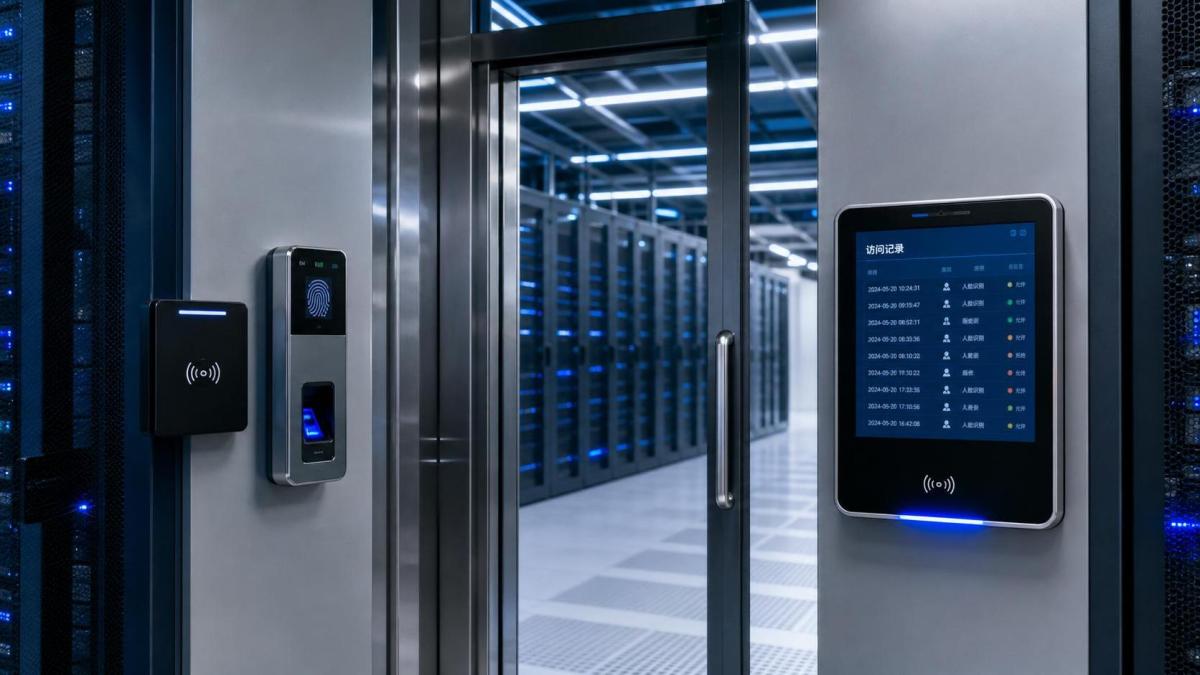
A data center is no longer just a server room with locked doors. It is a business continuity hub tied to customer trust, legal exposure, and operational resilience.
From recent market changes, one signal is clear. Physical intrusion is now evaluated alongside cyber threats, especially in facilities handling regulated, financial, or critical infrastructure workloads.
That changes procurement priorities. Buyers now assess not only door hardware, but also credential strength, tamper resistance, visitor control, reporting depth, and system integration.
This also means a weak entry process can create costs beyond theft. It can trigger audit findings, investigation delays, insurance concerns, and avoidable downtime during incident response.
The Three Core Layers of Data Center Access Control
Most data center access control systems are built from three practical layers. Credentials grant entry, verification confirms identity, and logs create accountability after the fact.
1. Access cards
Cards remain common because they are affordable, fast, and easy to issue. They work well for employees, contractors, and temporary staff with different access zones.
2. Biometrics
Biometric data center access control adds identity-based verification. Fingerprint, face, iris, or palm systems reduce shared credentials and strengthen control at high-security doors.
3. Audit trails
Audit trails are often underestimated. Yet they are what turn access events into usable evidence during internal reviews, compliance audits, and post-incident investigations.
The strongest model usually combines all three. The real comparison is about how each layer performs under operational pressure.
Biometrics: Strong Identity Assurance With Higher Governance Demands
Biometrics are attractive because they tie access to a person, not a token. That makes them highly relevant for restricted cages, server halls, and dual-authentication entry points.
For data center access control, the biggest advantage is reduced credential sharing. A card can be borrowed. A face or iris match is much harder to transfer or fake.
Modern systems also improve speed. High-quality facial or iris recognition can verify users quickly, which matters in facilities with shift changes or frequent authorized movement.
Still, biometrics introduce new responsibilities. Data collection, template storage, privacy consent, and legal retention rules need clear governance before deployment.
There is also a business continuity question. If a sensor fails, how will authorized staff enter critical areas without weakening the data center access control policy?
Biometrics are strongest when used for high-risk zones, privileged access, and layered verification. They are less ideal as a one-size-fits-all answer across every door.
Access Cards: Flexible, Scalable, and Familiar
Card-based data center access control remains popular for one simple reason. It balances cost, speed, and administrative control better than many teams expect.
Cards are easy to issue and revoke. They support zoning rules, visitor credentials, elevator controls, and time-based access without making the onboarding process overly complex.
For multi-site operators, cards also scale well. Central administration helps security teams enforce consistent entry rules across distributed data center environments.
The downside is clear. Cards can be lost, loaned, cloned, or misused. In lower-maturity environments, tailgating can further weaken this form of data center access control.
That does not make cards weak by default. It means they perform best when paired with anti-passback rules, surveillance, visitor escort policies, and strong deactivation discipline.
For many facilities, cards are still the most practical front-line credential. The question is where they need stronger backup.
Audit Trails: The Layer That Turns Entry Into Evidence
When buyers evaluate data center access control, they often focus on how people enter. Mature operators also ask how access events will be reconstructed later.
That is where audit trails matter. A reliable log connects credential use, door activity, timestamps, alarms, exceptions, and sometimes video verification.
In real operations, logs support more than compliance. They help confirm technician attendance, investigate unauthorized attempts, and validate whether procedures were followed.
A weak audit trail creates hidden risk. If records are incomplete, delayed, or hard to search, the data center access control investment loses much of its management value.
Look for systems that retain clean event history, export reports easily, and integrate with incident workflows. Without that, security data remains isolated and less useful.
Direct Comparison: Which Option Fits Which Decision Priority?
The right data center access control model depends on what the facility values most. Different priorities lead to different architecture choices.
A practical takeaway is this. Biometrics improve certainty, cards improve operational flexibility, and audit trails protect accountability across the entire data center access control process.
A Smarter Buying Framework for Data Center Access Control
A good procurement decision starts with facility risk, not product hype. Before choosing technology, define which doors, cages, and workflows actually require elevated control.
- Map access zones by business impact, not only by physical location.
- Separate employee, contractor, visitor, and emergency entry scenarios.
- Check privacy, retention, and cross-border data requirements before selecting biometrics.
- Review integration with surveillance, alarms, ticketing, and compliance reporting.
- Test failover procedures for sensor outages, power loss, and emergency override.
- Measure total cost across hardware, enrollment, training, maintenance, and audits.
In many cases, the best data center access control design is hybrid. Cards handle general circulation, biometrics secure critical zones, and audit trails document every sensitive event.
Final Recommendation
There is no single winner across every environment. The best data center access control choice depends on risk tolerance, staffing patterns, compliance pressure, and operational maturity.
If identity certainty is the top priority, biometrics deserve serious attention. If scale and administrative ease matter most, cards remain highly effective. If audit readiness is non-negotiable, logging depth is critical.
For most facilities, the strongest path is layered data center access control. Build around cards, reinforce high-risk zones with biometrics, and treat audit trails as a core decision factor, not an afterthought.
That approach gives security teams sharper control, gives leadership cleaner evidence, and gives the business a more future-ready foundation for resilient operations.
Recommended News