
Search News
Industry Portal
Hot Articles
How to choose heavy duty protective gear for angle grinding
Time
Click Count
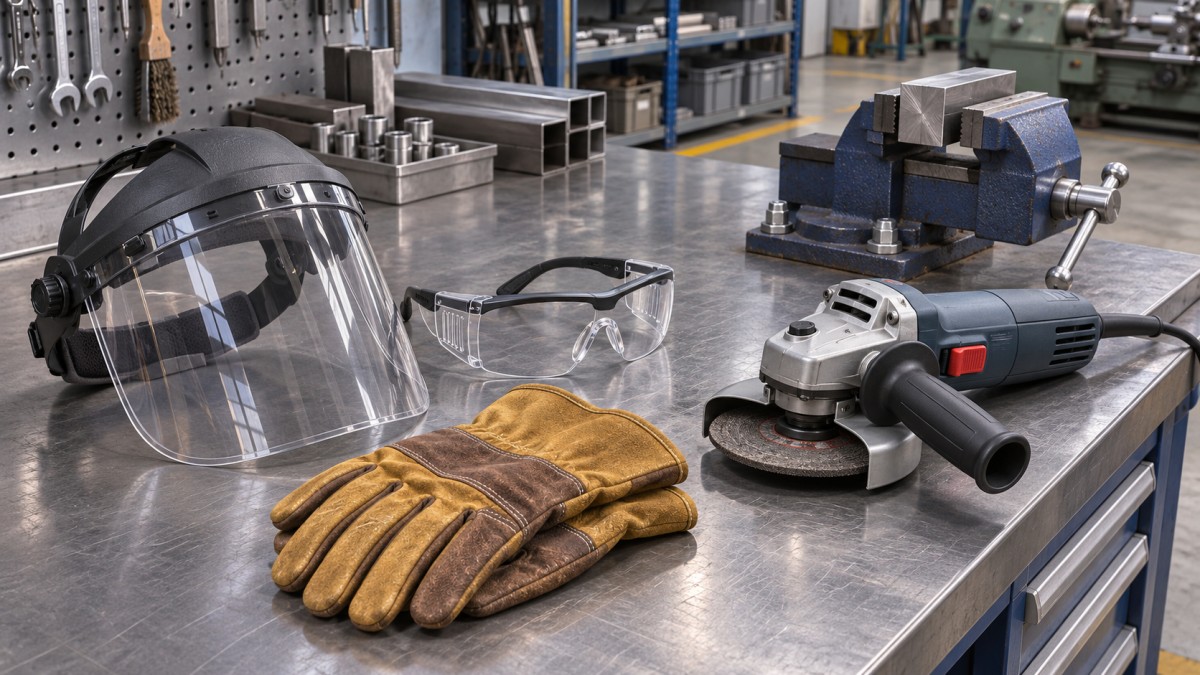
Choose heavy duty protective gear for angle grinding by looking first at what you are grinding, where the debris will travel, and how the work will be controlled. For many metal-grinding jobs, the starting combination is impact-rated safety glasses under a compatible face shield, suitable gloves and protective clothing, hearing protection, and safety footwear. Respiratory protection depends on the material, coating, dust controls, and exposure assessment.
The heaviest equipment is not automatically the safest choice. Gloves must still let you operate the switch and maintain a secure grip; a respirator must seal with the other equipment you wear; and clothing must protect exposed skin without getting caught in the rotating wheel. A good selection works as a complete system for the task you are about to perform.
Start with the material and the direction of exposure
Before selecting PPE, identify the base material, any coating or residue on it, the wheel or accessory, and the position in which you will work. Grinding bare steel at a bench presents a different exposure profile from removing an unknown coating overhead or cutting masonry in an enclosed area. The tool may be similar, but the protection may need to change.
Check where sparks, particles, and larger fragments could travel. An overhead task can send debris toward the face, neck, and clothing openings. Work at floor level may expose the lower legs and footwear. In a confined or poorly ventilated area, airborne dust can accumulate around the operator even when the visible spark stream points away.
Do not assume a coating is harmless because the substrate is familiar. Paint, plating, contamination, and old finishes can change the respiratory and skin hazards. If the material or coating is unknown, stop and have it identified or assessed before grinding. A face shield and thick gloves do not resolve an unidentified airborne exposure.
Controls around the job matter as much as the gear. Use the grinder’s guard as directed, secure the workpiece, choose the correct accessory for the tool and task, and use suitable extraction or other dust controls where needed. PPE reduces exposure to hazards that remain; it does not make a damaged wheel or an unguarded grinder safe.
Protect the eyes and face as a combined system
For grinding, use safety glasses with side protection or suitable protective goggles beneath a face shield. The glasses or goggles protect the eyes against particles that can enter around the shield; the shield adds coverage for the face against flying debris and sparks. A face shield alone leaves gaps around its edges and should not be treated as a substitute for primary eye protection.
Select eye and face protection marked for the applicable impact requirements in your workplace and jurisdiction. Check that the shield is intended for grinding and provides adequate coverage from the forehead to below the chin and across the sides of the face. A clear, undamaged visor matters: scratches, clouding, or persistent fogging can make it harder to follow the cut and keep the wheel positioned correctly.
Try the complete arrangement before starting. Glasses, respirator straps, earmuffs, and the face shield’s headgear can compete for space. The shield should lower fully without pushing eye protection out of position or disturbing a respirator seal. If prescription correction is needed, use an appropriate protective solution that accommodates it; ordinary prescription glasses alone are not a replacement for rated eye protection.
Replace damaged components according to the manufacturer’s instructions. A cracked shield, loose headband, or scratched lens that limits visibility is a reason to stop and correct the problem, not a condition to tolerate until the job is finished.
Choose gloves for both protection and control
Grinding gloves need to resist the hazards of the particular task while allowing the operator to control the tool. For many metalworking jobs, close-fitting leather work gloves provide a practical balance of abrasion resistance and protection against brief contact with hot particles. Check the manufacturer’s information for the glove’s intended use and limitations; leather thickness by itself does not establish a particular heat or cut-resistance performance.
Fit is a selection criterion. The fingers should reach the controls without excess material bunching at the switch or grip. Loose cuffs, torn seams, and dangling parts can introduce an entanglement hazard near rotating equipment. Avoid gloves that make it difficult to hold the grinder securely or release its control promptly.
Different steps in the same job can call for different hand protection. Handling a sharp workpiece may favor a glove selected for cut resistance, while grinding generates sparks and heat that the same glove may not tolerate. Some synthetic materials can melt or degrade when exposed to hot particles. Check the glove’s construction and manufacturer guidance rather than assuming that a high cut-resistance claim covers grinding sparks.
Gloves also have limits around hot metal. A part can retain enough heat after grinding to burn through a glove or transfer heat during prolonged handling. Allow it to cool or use an appropriate handling tool, and replace gloves that are burned, hardened, badly worn, or contaminated.
Match respiratory protection to what becomes airborne
Visible dust is only part of the assessment. Grinding can release particles from the workpiece, its coating, and the abrasive itself. Masonry or concrete can create respirable crystalline silica dust; coated metal can introduce additional substances. The material and exposure conditions determine the control measures and respiratory protection needed.
Use effective local extraction or another suitable dust-control method where the task requires it. For some work, respiratory protection will also be necessary. The choice of filter and respirator should follow the exposure assessment, applicable workplace requirements, and the respirator manufacturer’s instructions. A particulate filter addresses particles within its approved use; it does not automatically protect against gases or vapors. Where both are present, the selection must account for both hazards.
Do not select a disposable mask simply because it feels comfortable or fits under a shield. Check that it is an approved respirator suitable for the identified exposure and that it works with the rest of your equipment. Tight-fitting respirators require appropriate fit testing and a seal check as part of the workplace respiratory protection program. Facial hair in the sealing area, eyewear, or poorly positioned straps can interfere with the seal.
If the exposure is unknown, unusually high, or involves an oxygen-deficient atmosphere, do not assume a filtering respirator is adequate. Stop and obtain a competent assessment and a suitable respiratory protection plan before proceeding.
Cover the rest of the body without introducing new hazards
Wear clothing that covers exposed skin and is suitable for the sparks and hot particles generated by the work. A long-sleeved, flame-resistant garment or other protective clothing selected for the task can help reduce burns. Avoid exposed synthetic clothing that may melt when struck by hot material, and keep sleeves and other openings arranged so sparks cannot easily collect inside.
A leather apron or other task-appropriate outer layer can add protection when the spark stream is directed toward the torso or legs. It should fit securely without loose straps or material that could reach the wheel. For overhead work, consider coverage at the neck and head as well, while keeping the face shield, eye protection, and respirator correctly positioned.
Choose safety footwear appropriate to the workplace and the objects being handled. Closed footwear with suitable impact protection and a heat-resistant upper can help where hot particles or heavy workpieces are present. Trouser legs should cover the tops of the footwear so debris is less likely to enter. Remove accumulated debris from clothing and footwear when it is safe to do so.
Hearing protection should be selected for the noise exposure, including the grinder, the workpiece, and nearby operations. Use earplugs, earmuffs, or a combination when required by the workplace noise assessment. More attenuation is not automatically better if it prevents necessary communication or awareness of warnings; the equipment must still provide adequate protection for the exposure. Earmuff cushions also need to seal properly around eyewear and other headgear.
Make the final check with everything on
A set of individually suitable items can fail when worn together. Before switching on the grinder, put on the full combination and check the movements you will use during the job:
- Confirm that the eye protection stays in place and the face shield closes without obstructing your view.
- Check the respirator seal as required and make sure shield straps or eyewear do not displace it.
- Verify that hearing protection fits properly and that you can follow the site’s communication arrangements.
- Hold the grinder with both hands as directed for the tool, reach its controls, and confirm that gloves and sleeves do not interfere.
- Look for gaps at the neck, wrists, and footwear where the expected spark stream could reach skin or collect inside clothing.
Inspect the PPE again when the job changes. Moving from a horizontal bench to overhead grinding, changing from bare metal to a coated surface, or working in a less ventilated location can alter both the exposure and the equipment needed. If the chosen gear prevents a clear view, secure grip, or effective seal, resolve that fit problem before starting the next cut.
Recommended News