
Search News
Industry Portal
Hot Articles
Access Control Systems: Cloud vs On-Prem for Multi-Site Security
Time
Click Count
Access Control Systems: Cloud vs On-Prem for Multi-Site Security
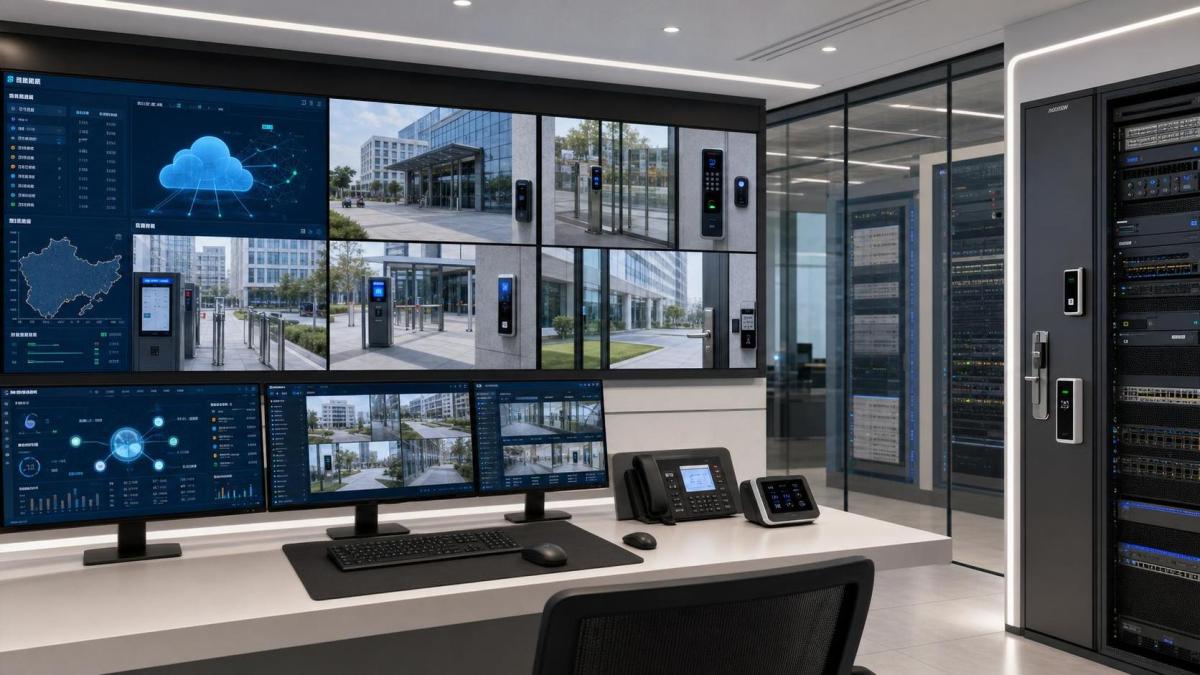
For organizations with several locations, access control systems shape daily operations as much as security posture.
The right model affects how quickly teams grant access, review events, support audits, and respond to incidents.
That decision becomes more complex when offices, plants, campuses, warehouses, and critical sites follow different risk profiles.
In practice, most buyers compare two paths: cloud-based access control systems and traditional on-prem deployments.
Both can secure doors, manage identities, and support biometric readers, mobile credentials, and visitor workflows.
The real difference is where control lives, how data moves, and how each platform scales across multiple sites.
This comparison focuses on selection factors that matter most: visibility, resilience, compliance, cost, and operational speed.
What Multi-Site Security Really Demands
Multi-site security is rarely just about locking doors.
It usually involves shared policies, local exceptions, contractor access, after-hours privileges, and different response teams.
As portfolios grow, access control systems must handle more users without creating administrative drag.
Recent changes make this harder.
Hybrid work has increased temporary permissions, while compliance rules now demand clearer records of who entered where and when.
At the same time, many facilities are adding smart locks, video integration, and biometric checkpoints.
That means the platform decision is no longer a narrow IT purchase.
It is now tied to business continuity, cyber risk, and long-term facility modernization.
How Cloud-Based Access Control Systems Work
Cloud-based access control systems host management software and data in a vendor-managed environment.
Administrators log in through a browser or app and manage every site from one interface.
Door controllers still operate locally, but permissions, logs, updates, and reporting are centrally coordinated.
This model is attractive when security teams are lean or geographically distributed.
A single team can onboard new employees, revoke credentials, and review alarms across the estate in minutes.
Cloud platforms also tend to add new features faster.
Examples include mobile passes, identity integrations, analytics dashboards, and remote lockdown controls.
For growing portfolios, that flexibility can shorten deployment time at new sites.
Main strengths of cloud deployment
- Centralized management across all locations.
- Faster software updates and feature rollout.
- Easier remote administration and incident response.
- Lower internal infrastructure burden.
- Simpler expansion for new offices or temporary sites.
How On-Prem Access Control Systems Work
On-prem access control systems keep the management server and core data inside the organization’s own environment.
The business owns the infrastructure, controls update timing, and defines its own hosting standards.
This approach remains common in highly regulated sectors and mission-critical facilities.
It can also suit organizations with mature IT and security teams already operating private networks and strict data governance.
The strongest argument is control.
Some enterprises prefer to keep credential data, event logs, and biometric templates within their own security boundary.
That preference becomes more important when local laws, customer contracts, or internal policy restrict external hosting.
Still, on-prem access control systems usually require more planning, maintenance, and technical support over time.
Main strengths of on-prem deployment
- Greater control over data location and retention.
- Custom configuration for complex security environments.
- Strong fit for strict internal governance models.
- More direct oversight of patching and change windows.
- Useful where internet dependency must be tightly limited.
Cloud vs On-Prem: The Decision Criteria That Matter
The better choice depends less on trend and more on operating reality.
For multi-site security, five criteria usually separate a workable deployment from a costly one.
1. Centralized visibility
Cloud access control systems usually win here.
They make it easier to monitor events, compare site activity, and apply changes across many doors at once.
On-prem setups can do this too, but often need more internal integration effort.
2. Scalability
If growth includes new branches, acquisitions, or temporary project sites, cloud deployment is usually faster.
On-prem access control systems can scale, but expansion often means more server capacity, more configuration, and longer rollout cycles.
3. Compliance and data governance
This is where on-prem often retains an edge.
If biometric data is involved, storage rules and audit obligations may favor tighter in-house control.
That said, strong cloud vendors increasingly offer regional hosting, encryption controls, and detailed compliance reporting.
4. Reliability and incident response
Both models can be resilient if designed correctly.
The key question is what happens during network loss, power disruption, or a cyber event.
Good access control systems should keep critical doors operating locally even when central connectivity is interrupted.
5. Total cost over time
Cloud often lowers upfront infrastructure costs, but recurring subscription fees must be modeled carefully.
On-prem may require larger initial investment, yet some organizations prefer that structure over ongoing service costs.
Side-by-Side Comparison for Multi-Site Access Control Systems
A simple comparison helps clarify where each model fits best.
Best-Fit Scenarios for Each Model
In real projects, the best answer is usually tied to site type and governance model.
Choose cloud-based access control systems when:
- The estate includes many distributed offices or retail branches.
- Security teams need fast remote administration.
- Growth, acquisitions, or seasonal sites are expected.
- Internal IT resources are limited.
- Mobile credentials and rapid integration matter.
Choose on-prem access control systems when:
- Biometric or identity data faces strict storage rules.
- Facilities include critical infrastructure or defense-related operations.
- The organization already runs secure private infrastructure.
- Customization needs exceed typical cloud options.
- Update control must align with internal change boards.
Questions to Ask Before You Decide
A better buying process starts with sharper questions.
- How many sites need centralized visibility today, and how many within three years?
- Will the system manage visitors, contractors, and temporary credentials at scale?
- What laws govern badge data, logs, and biometric information in each region?
- Can local doors keep operating during internet or server disruption?
- How well does the platform integrate with video, alarms, HR, and identity systems?
- What is the five-year cost, including licensing, hardware refresh, support, and training?
These questions move the discussion away from product claims and toward operational fit.
Final Take: Which Access Control Systems Strategy Wins?
For many growing organizations, cloud-based access control systems offer a stronger path for multi-site security.
They simplify centralized management, speed up deployment, and support a more agile operating model.
Yet on-prem access control systems remain the right choice where compliance, data residency, and infrastructure control outweigh convenience.
The strongest decisions usually come from mapping platform design to business risk, not following market fashion.
If the goal is resilient, future-ready security across multiple facilities, compare both models against actual workflows, audit demands, and expansion plans.
That approach will make the final access control systems investment more defensible, scalable, and useful from day one.
Recommended News