
Search News
Industry Portal
Hot Articles
How to Compare Vertical Farming Lighting Exporters by Yield, PPE, and Compliance
Time
Click Count
How to Compare Vertical Farming Lighting Exporters by Yield, PPE, and Compliance
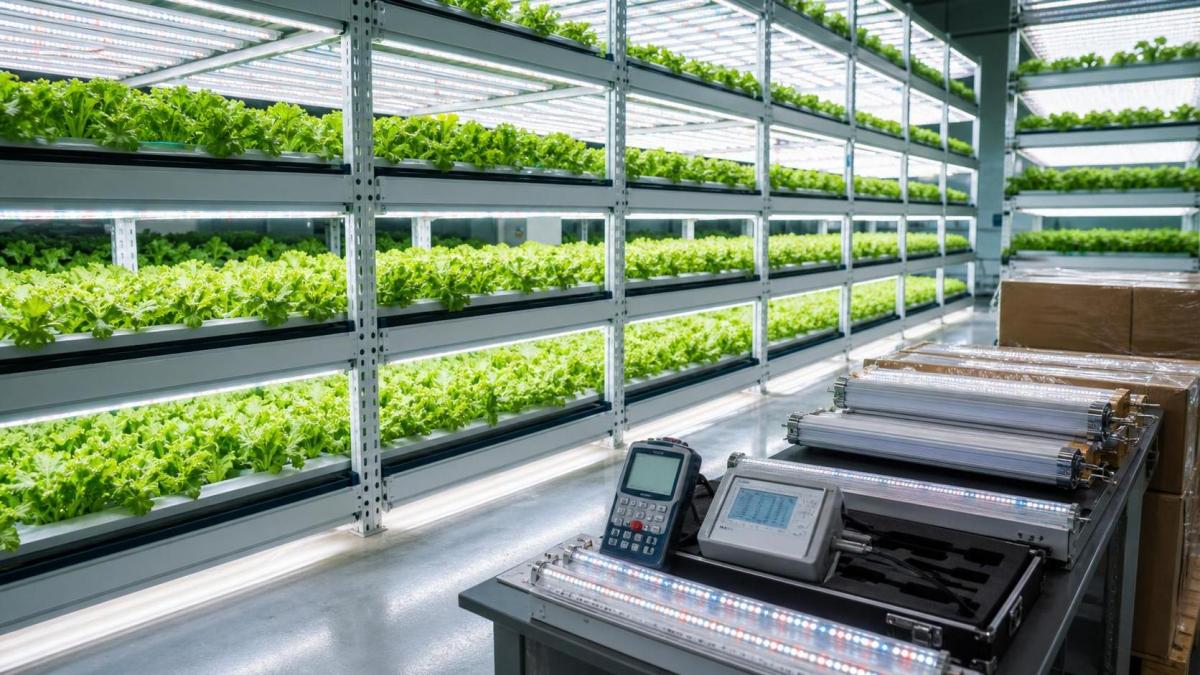
Choosing the right vertical farming lighting exporter is no longer just about price. It now affects yield, operating risk, certification timelines, and long-term project economics.
For sourcing teams, the real challenge is separating polished marketing from measurable performance. A supplier may look strong on paper but fail on spectrum stability, PPE claims, or export documentation.
That is why a practical comparison model matters. When reviewing a vertical farming lighting exporter, three filters usually decide the outcome: yield impact, PPE efficiency, and compliance readiness.
This guide breaks those filters into procurement-friendly checkpoints. It is built for faster evaluation, cleaner supplier discussions, and better decisions across cross-border projects.
Start With Yield, Not Fixture Wattage
Many buyers still compare fixtures by wattage and unit cost first. In vertical farming, that approach is incomplete and often misleading.
A capable vertical farming lighting exporter should connect lighting data to crop output. That means discussing grams per square meter, growth cycles, uniformity, and crop-specific light recipes.
Ask for trial results by crop category. Leafy greens, herbs, strawberries, and seedlings respond differently to spectrum, PPFD distribution, and photoperiod strategy.
A serious vertical farming lighting exporter should provide more than generic tomato or lettuce charts. The useful data is site-relevant, repeatable, and linked to operating conditions.
Yield Metrics That Actually Matter
Focus on a short list of metrics that influence commercial output:
- PPFD uniformity across each shelf or grow layer
- PPE, or photosynthetic photon efficacy, in real operating conditions
- Spectrum consistency between production batches
- Light depreciation over time, especially L90 or L70 data
- Yield change per crop cycle after installation
In practice, uniformity is often underestimated. Poor uniformity can create uneven growth, inconsistent leaf color, and more labor during harvest and quality sorting.
This is where a strong vertical farming lighting exporter stands out. The better exporters can show optical layouts, rack spacing guidance, and crop-specific mounting recommendations.
Questions to Ask During Yield Review
- What crops were tested, and under which environmental controls?
- Was yield measured by fresh weight, dry weight, or cycle speed?
- Are third-party lab reports available for photon output and spectrum?
- How stable is performance across dimming levels?
- Can the exporter provide references from operating farms?
These questions reduce guesswork. They also make it easier to compare one vertical farming lighting exporter against another using the same decision frame.
Compare PPE With Real Procurement Context
PPE is one of the most quoted numbers in horticultural lighting. It is also one of the most misunderstood.
A high PPE rating looks attractive, but it should never be judged in isolation. A vertical farming lighting exporter may advertise excellent efficacy while compromising spectrum suitability or thermal stability.
The procurement question is simple: does this PPE level improve crop economics in a real farm environment? That answer depends on heat management, dimming strategy, maintenance, and crop goals.
How to Read PPE Claims Correctly
Request the testing standard and laboratory source behind every PPE claim. Numbers without method details are hard to trust and harder to compare.
Check whether the fixture was tested at full power, standard ambient temperature, and final production configuration. Prototype results can overstate field performance.
Ask whether lenses, drivers, and mounting hardware were included in the test setup. Small omissions can create a better-looking number than the installed reality.
An experienced vertical farming lighting exporter should explain the tradeoff between efficacy and spectrum design. Sometimes a slightly lower PPE delivers better crop quality or faster cycles.
A Practical PPE Comparison Table
When this table is used consistently, supplier claims become easier to validate. It also keeps the vertical farming lighting exporter conversation tied to operating value, not brochure language.
Check Compliance Before Commercial Terms
Compliance issues often surface late, usually after pricing looks attractive. That delay creates project risk, especially in cross-border procurement.
A reliable vertical farming lighting exporter should already understand destination-market requirements. That includes electrical safety, EMC, environmental rules, labeling, and customs documentation.
For the EU, CE-related conformity files matter. For North America, UL or ETL pathways may be essential. In some markets, RoHS, REACH, and packaging declarations also affect approval.
Core Compliance Documents to Request
- Product test reports from recognized laboratories
- Declaration of conformity for relevant markets
- RoHS and REACH statements where applicable
- Ingress protection data for humid growing environments
- Warranty terms with failure-response details
- Export packaging and shipping specifications
It also helps to verify document dates and product model codes. A certificate tied to another housing design or driver version may not protect the shipment you are buying.
From a risk standpoint, compliance maturity often signals overall supplier discipline. A prepared vertical farming lighting exporter usually handles engineering revisions, traceability, and after-sales support better as well.
Evaluate the Exporter, Not Just the Product
Even a strong fixture can become a weak purchase if the exporter lacks process control. Export capability should be reviewed as carefully as technical performance.
Start with production consistency. Ask about annual capacity, lead-time stability, incoming quality control, and how component changes are managed.
Then review service structure. A dependable vertical farming lighting exporter should define spare-part policy, claims handling, remote support, and escalation contacts before the purchase order is issued.
Exporter Review Checklist
- Confirm manufacturing scale and actual export history.
- Review bill of materials stability and approved component brands.
- Check whether optical, electrical, and thermal tests are done per batch.
- Ask for sample evaluation under your intended rack layout.
- Validate warranty response time and replacement logistics.
- Score communication speed and technical clarity during quotation.
This last point matters more than it seems. Slow, vague answers during sourcing often become larger problems during installation, commissioning, or post-sale troubleshooting.
Build a Simple Supplier Scorecard
A structured scorecard makes final comparison cleaner. It also helps align technical, commercial, and compliance teams around the same decision logic.
Use weighted scoring instead of open-ended discussion. For most projects, yield and reliability deserve more weight than marginal price differences.
With this approach, the best vertical farming lighting exporter is rarely the cheapest one. It is usually the supplier with the lowest operational risk and the most defensible long-term value.
Final Decision Guidance
When comparing a vertical farming lighting exporter, start with measurable crop outcomes. Then validate PPE claims in real application terms. After that, confirm compliance before negotiating final commercial details.
This sequence keeps the evaluation grounded in business performance. It also reduces the chance of paying for attractive specifications that fail in actual deployment.
A disciplined sourcing process usually leads to better lighting consistency, smoother certification, and stronger farm economics over time. That is the standard worth using for every vertical farming lighting exporter under review.
Build your shortlist around verified yield data, credible PPE evidence, and market-ready compliance files. That is the clearest path to a smarter supplier decision and a more reliable vertical farming project.
Recommended News