
Search News
Industry Portal
Hot Articles
Biometric Access Control Pricing: Cost Drivers, Licensing, and Upgrade Traps
Time
Click Count
Why does biometric access control pricing often exceed the original quote?
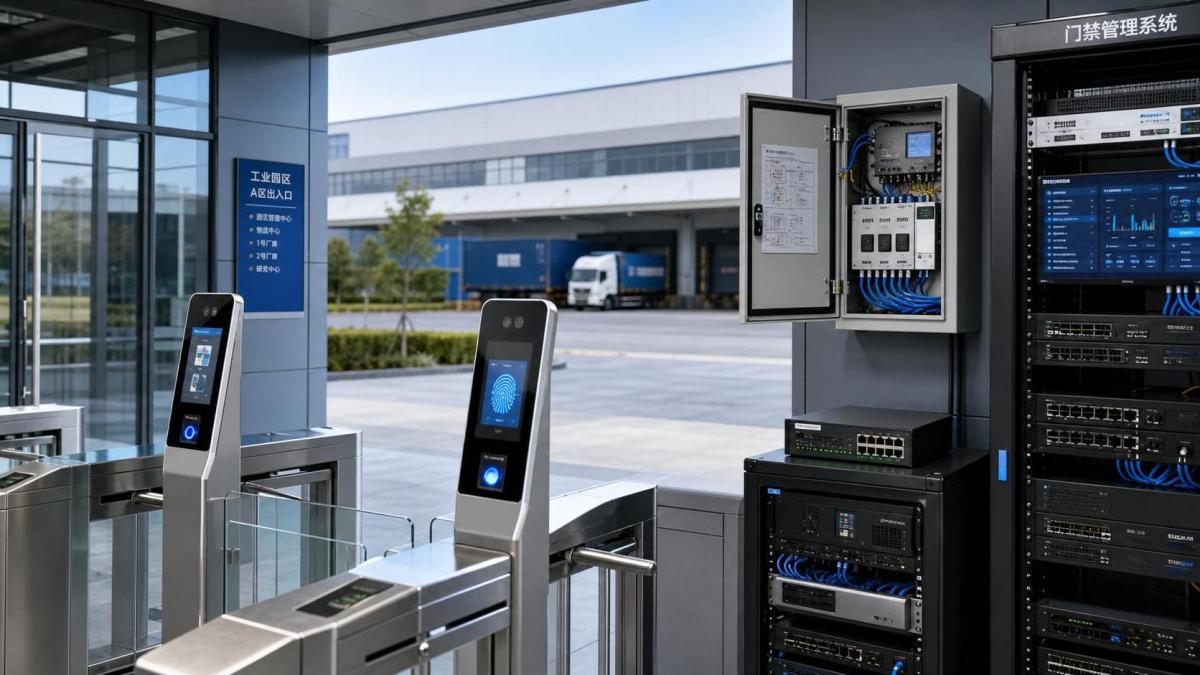
Biometric access control pricing looks simple at first glance. A reader, a controller, and software appear easy to budget. The real cost picture is wider.
In practice, the quote usually covers visible hardware. It may not fully include enrollment stations, door hardware changes, network upgrades, database storage, or compliance work.
That is why two proposals with similar device counts can land very different total ownership costs. One includes the full operating environment. The other leaves several items for later approval.
For facilities tied to construction, industry, logistics, or smart city projects, this matters even more. Access systems rarely sit alone. They connect to lighting controls, alarms, elevators, visitor flows, and incident records.
SHSS often frames smart access as one physical layer within a larger safety stack. That view is useful because biometric access control pricing should be judged like infrastructure, not like a standalone gadget purchase.
A better starting question is not, “What does the reader cost?” It is, “What must be funded to keep this entry point accurate, compliant, and serviceable for five years?”
Which cost drivers move biometric access control pricing the most?
The largest drivers usually come from technology choice, deployment scale, and integration depth. Hardware matters, but it is only one layer in the budget.
Fingerprint terminals often start lower than facial recognition or iris systems. Yet lower device pricing does not always mean lower project pricing.
A dusty workshop, a cold loading area, or a high-glare entrance may require protective housings, better sensors, or backup authentication paths. Those additions can change the economics quickly.
More common cost drivers include the following:
- Biometric modality: fingerprint, face, iris, palm, or multimodal combinations
- Door count and throughput requirements at peak hours
- Edge device performance, anti-spoofing level, and operating environment tolerance
- Software architecture, especially cloud versus on-premises licensing
- Integration with video, HR databases, visitor systems, and existing card access
- Data protection, retention rules, and legal review for biometric templates
- Installation labor, structured cabling, power, and door retrofits
Biometric access control pricing also changes with uptime expectations. A single office entrance can tolerate more delay than a data center, utility site, or pharmaceutical production zone.
Where failure has operational consequences, buyers usually fund redundancy, local decision processing, and faster support tiers. Those items rarely appear attractive in a headline quote, but they protect continuity.
How do licensing models reshape the long-term budget?
This is where many budgets drift. A low device price can be offset by recurring software fees that grow with users, doors, sites, or integrations.
Some vendors license per reader. Others charge per user record, per biometric template, or per site. Cloud platforms may bundle updates, while on-premises deployments may bill separately for support and version upgrades.
The important issue is predictability. A system that looks affordable for one building can become expensive once new branches, contractors, or temporary staff are added.
The table below helps compare common pricing structures before approval:
When reviewing biometric access control pricing, ask for a five-year cost schedule. Year-one discounts can hide a steep renewal pattern later.
It also helps to model growth. Add future doors, seasonal labor, and one additional site. If the curve becomes hard to justify, the structure may be wrong even if the first quote looks attractive.
Where do upgrade traps usually appear?
Upgrade traps tend to appear where a system is technically functional, yet commercially restrictive. The project works, but later changes become unusually expensive.
One common trap is proprietary enrollment data. If biometric templates cannot migrate cleanly, replacing software or readers becomes disruptive and costly.
Another trap is controller limitation. A platform may support the current site count, but charge heavily for clustered management, remote administration, or advanced audit reporting.
There is also the compliance trap. Privacy obligations change, especially for cross-border operations. If the platform cannot support retention rules, consent workflows, or regional data residency, remediation costs arrive later.
In environments observed by SHSS, these traps often surface during modernization. A facility upgrades doors, surveillance, or smart lighting, then finds the access layer cannot exchange data without paid middleware.
That is why biometric access control pricing should include questions about future flexibility:
- Can readers remain usable after a software change?
- Are major firmware upgrades included or separately licensed?
- Can biometric records be exported in a documented format?
- Do new compliance features require hardware replacement?
- Will API access remain open after the initial term?
A cheap entry price is risky when every future adjustment becomes a paid exception. Flexibility has financial value, even when it is less visible at tender stage.
How can you compare proposals without getting lost in technical detail?
The easiest way is to compare proposals by operating outcome, not by brochure features. A budget decision becomes clearer when each line item is tied to a business requirement.
Start with three baseline questions. What level of assurance is required? How many identities must be managed? What happens if the system is offline for one hour?
That quickly separates convenience-grade systems from mission-critical ones. It also exposes overengineering, which can inflate biometric access control pricing without adding useful protection.
A practical comparison checklist usually includes:
- Capex versus recurring software and support cost
- False acceptance and false rejection performance in real conditions
- Offline operation and local failover behavior
- Integration effort with current security and building systems
- Privacy controls, audit logs, and data deletion capability
- Expansion cost for new sites over three to five years
It is also worth asking vendors to price the same scope in two ways. One should show minimum viable deployment. The other should show the fully scalable version.
That side-by-side view reveals whether the price gap comes from real risk reduction or from optional features with weak operational value.
What is a reasonable next step before approving a biometric access project?
A reasonable next step is to build a total cost worksheet before reviewing final quotes. Keep it narrow, but complete.
List hardware, software, integration, installation, compliance review, training, support, and expected upgrade events. Then assign each item to year one, year three, and year five.
This approach turns biometric access control pricing into a comparable investment model. It also makes hidden assumptions visible before they become change orders.
Where the environment includes industrial plants, mixed-use campuses, or smart infrastructure, leave room for adjacent system effects. Access control can influence staffing workflows, incident investigations, and even energy scheduling.
That broader view aligns with how SHSS evaluates physical security technologies. Durable value comes from fit across the whole operating chain, not from a low initial device number.
In the end, good approval decisions come from disciplined questions. What is included now, what becomes recurring, what locks future choices, and what reduces measurable risk?
If those answers are clear, biometric access control pricing becomes easier to defend. If they remain vague, the cheapest quote may be the most expensive path.
Recommended News