
Search News
Industry Portal
Hot Articles
Industrial Safety Clothing: Common Selection Mistakes and Compliance Risks
Time
Click Count
Choosing industrial safety clothing is rarely a simple sourcing task. It sits at the intersection of hazard control, worker acceptance, documentation discipline, and regulatory exposure. A garment that looks compliant on paper can still fail in daily use, while a low-cost substitution can create audit issues, injury claims, and avoidable downtime across construction, manufacturing, utilities, logistics, and smart infrastructure operations.
That is why industrial safety clothing deserves closer review today. Worksites now combine heavier automation, faster tools, energized equipment, complex maintenance routines, and stricter reporting expectations. In that environment, poor PPE selection is not only a safety weakness. It can also break internal control systems that depend on traceable standards, valid certifications, and consistent site enforcement.
Why the wrong garment creates a larger compliance problem
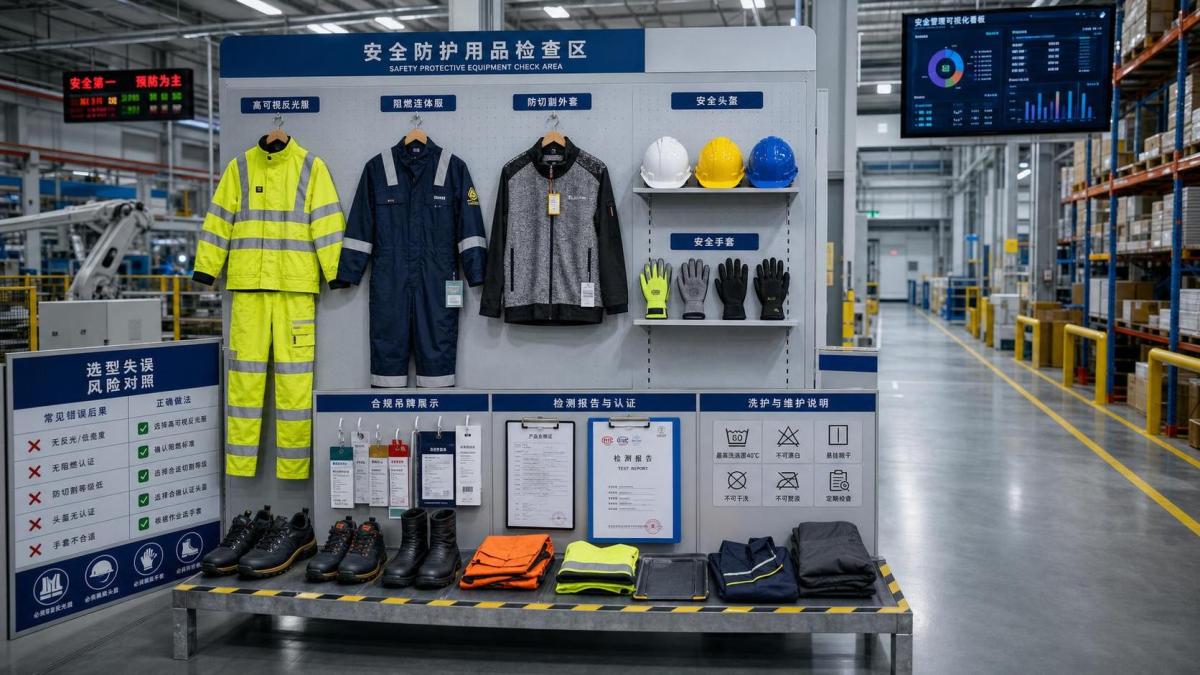
Industrial safety clothing is designed to reduce exposure to specific hazards. That includes cuts, heat, flame, chemicals, molten splash, low visibility conditions, weather stress, and contamination. The mistake begins when clothing is treated as a generic uniform category rather than a hazard-specific control measure.
In practical terms, compliance risk appears in three layers. The first is physical performance. The second is documentary evidence. The third is actual wear behavior on site. If one layer fails, the others rarely compensate.
This issue matters across the SHSS landscape. Brushless power tools increase torque density. High-strength fasteners support vibration-heavy structures. Smart lighting and secure access systems keep facilities operating around the clock. Each of those environments changes the exposure profile for the people inside them. Industrial safety clothing has to match that reality, not just the purchase order.
The most common selection mistakes
The first recurring error is buying by fabric name alone. Aramid, cotton blends, coated fabrics, and high-visibility textiles all sound reassuring. Yet material identity does not confirm protection level, construction quality, or performance after repeated laundering.
Another problem is hazard mismatch. Cut-resistant clothing may be selected for sharp-edge handling, while the actual task also involves sparks, oils, or flash fire risk. A garment may perform well against one threat and remain unsuitable for the full exposure pattern.
Fit is often underestimated. Clothing that restricts movement gets unzipped, rolled up, or replaced with personal garments. Loose garments can snag on rotating equipment. Tight garments can reduce mobility during climbing, lifting, or confined-space tasks.
Certification validity is another blind spot. Labels may reference outdated standards, partial testing, or certifications limited to fabric rather than finished garments. In audits, this distinction matters. Authorities and clients usually want evidence tied to the delivered item, not just the raw textile.
Usability also drives failure. Industrial safety clothing that is too hot, too heavy, poorly ventilated, or difficult to maintain often leads to inconsistent wearing. Noncompliance then looks like worker behavior, but the root cause sits in product selection.
Where these mistakes usually come from
- Procurement focuses on unit price instead of exposure severity.
- Hazard assessments are generic and not task-specific.
- Product approvals rely on supplier claims without technical verification.
- Wear trials are skipped before large-volume deployment.
- Replacement cycles ignore laundering damage and field abrasion.
What compliance actually requires in day-to-day operations
Compliance is broader than owning certified garments. It requires a chain of defensible decisions. That chain usually begins with a current risk assessment, followed by specification matching, supplier validation, user instruction, inspection routines, and replacement rules.
Industrial safety clothing should therefore be reviewed as controlled equipment. The same discipline used for torque tools, access systems, or structural hardware should apply here. Once clothing enters a regulated work environment, traceability becomes as important as comfort.
The table below reflects how selection mistakes can quickly shift into compliance exposure.
How industrial safety clothing should be matched to real exposure
A more reliable approach starts with the task, not the catalog. Consider what workers handle, how long they are exposed, whether the work is static or mobile, and which secondary hazards appear nearby. In many facilities, the secondary hazard is what invalidates the original clothing choice.
For example, maintenance around automated tool stations may require abrasion resistance, limited snag risk, and visibility in mixed lighting. Work near electrical rooms may require arc-rated garments. Roadside utility crews need weather performance and visibility retention after repeated washing.
In chemical handling zones, seam design can matter as much as base fabric. In metal processing, sleeve coverage and closure details may influence cut and spark protection more than garment weight alone. Industrial safety clothing must therefore be specified at garment level, not only at material level.
Useful questions before approving a garment
- Which exact hazards are controlled, and which are excluded?
- Do test reports match the finished product code?
- How does performance change after washing or contamination?
- Can the garment be worn with other PPE without interference?
- Is replacement triggered by time, damage, or inspection findings?
Why documentation and verification deserve equal attention
Many sites discover problems only during external review. The garment may exist, workers may wear it, and incident rates may look acceptable. Still, missing records can expose the operation. Without declarations, test references, labeling checks, and issue logs, the PPE program becomes difficult to defend.
This is especially relevant in multinational operations. Standards vary by region, customer contracts may demand stricter control, and some sectors require documented consistency across sites. Industrial safety clothing that passes informal local practice may still fail a global customer qualification process.
A stronger method is to align PPE review with broader quality systems. SHSS often frames industrial protection in the same logic used for smart hardware reliability: identify the failure mode, define acceptance criteria, verify performance, and keep traceable records. That mindset reduces both safety surprises and compliance friction.
What better selection looks like in practice
Good selection is usually less dramatic than bad selection. It is systematic, quiet, and repeatable. The clothing is suited to the task, comfortable enough to keep on, compatible with helmets, gloves, fall protection, and respiratory gear, and backed by documents that remain valid after inspection.
Field trials are particularly useful. A short controlled trial can reveal heat stress, mobility limits, pocket placement issues, visibility loss, or fastening weakness before a full rollout. This matters in sectors where operations combine physical hardware, smart access control, and long maintenance windows.
It also helps to separate minimum compliance from operational suitability. A garment may meet a standard threshold and still be wrong for a high-frequency task. In other words, industrial safety clothing should pass both the regulation test and the real-work test.
A practical review sequence
- Refresh the task-based hazard assessment.
- Map required performance to recognized standards.
- Verify finished-garment certification and labeling.
- Run wear trials across representative shifts.
- Define cleaning, inspection, and retirement rules.
- Audit actual use after rollout, not only stock receipt.
The next decision should be more precise
Industrial safety clothing becomes easier to manage once it is treated as a controlled protective system rather than branded workwear. That shift changes how garments are specified, tested, issued, monitored, and replaced. It also helps connect injury prevention with audit readiness and operating continuity.
The most useful next step is a focused review of current garments against actual exposure, current certifications, laundering effects, and wear behavior in the field. From there, gaps become visible quickly, and improvement priorities are easier to rank. Better industrial safety clothing decisions usually begin with sharper questions, not bigger catalogs.
Recommended News