
Search News
Industry Portal
Hot Articles
US State Lawmakers Plan 2027 Bills to Restrict Smart Glasses Biometrics
Time
Click Count
Lawmakers in more than a dozen US states are planning to introduce bills in 2027 to restrict biometric and facial recognition functions in smart glasses, according to State Affairs. The plans respond to privacy concerns surrounding photography and data collection by smart wearable devices.
The reported initiative concerns planned legislation. It does not establish that restrictions have been enacted or that particular requirements will take effect in 2027. For smart glasses developers and biometric technology providers, the immediate significance is the prospect of closer scrutiny of how these functions collect and use personal information.
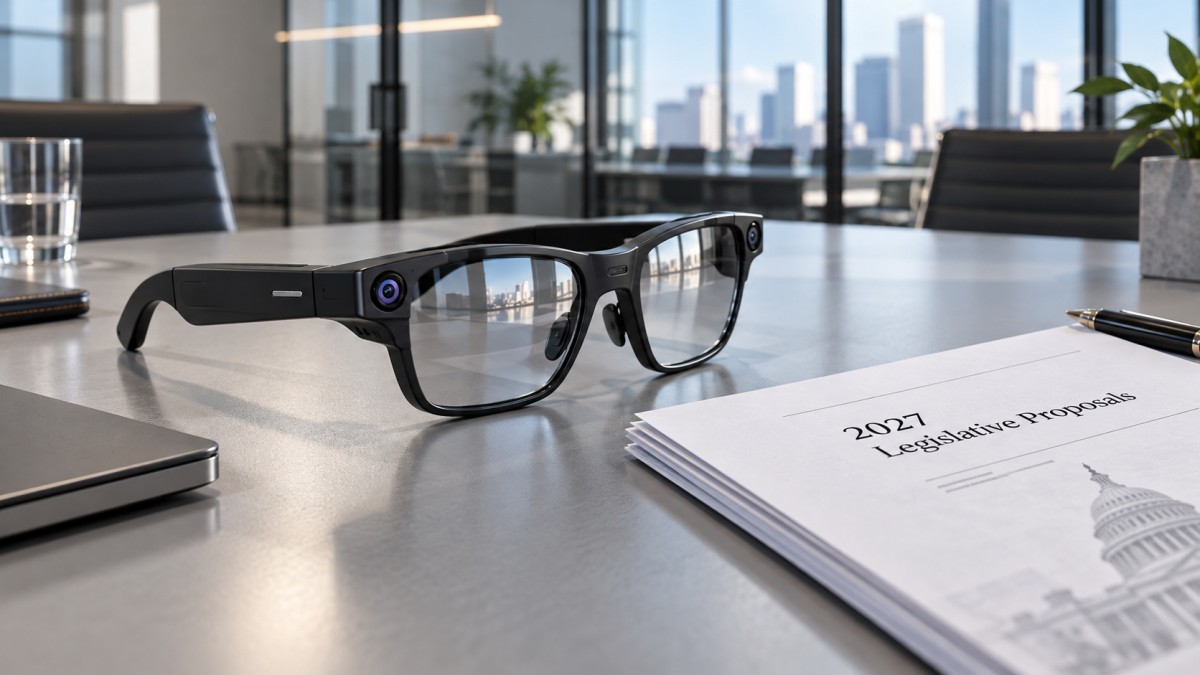
Potential impact centers on feature design and data handling
If the proposals advance, their scope could influence both the recognition features available on smart glasses and the processes supporting them. Depending on the wording, developers may need to review how biometric functions are activated, what information they collect and how that information is handled. These are potential areas of impact, rather than requirements established by the reported plans.
A key distinction will be how lawmakers separate photography from biometric identification. Restrictions focused on identifying people could have different implications from rules covering a broader range of image collection and processing. The eventual definitions will therefore matter more for product decisions than the general announcement of legislative intent.
The involvement of lawmakers across multiple states also raises the possibility of differing requirements. If the proposals take different approaches, companies offering the same device across those states could face more complex compliance decisions. The current report does not establish whether the planned bills will share a common framework.
The next substantive signals will be the bill texts and their progress through state legislatures: which functions they cover, what obligations they propose and when any enacted provisions would apply. Those details will determine whether the initiative leads to narrow limits on recognition features or broader changes to smart glasses design and data practices.
Recommended News