
Search News
Industry Portal
Hot Articles
TSA Audit Finds Major Weaknesses in Facial Recognition Technology
Time
Click Count
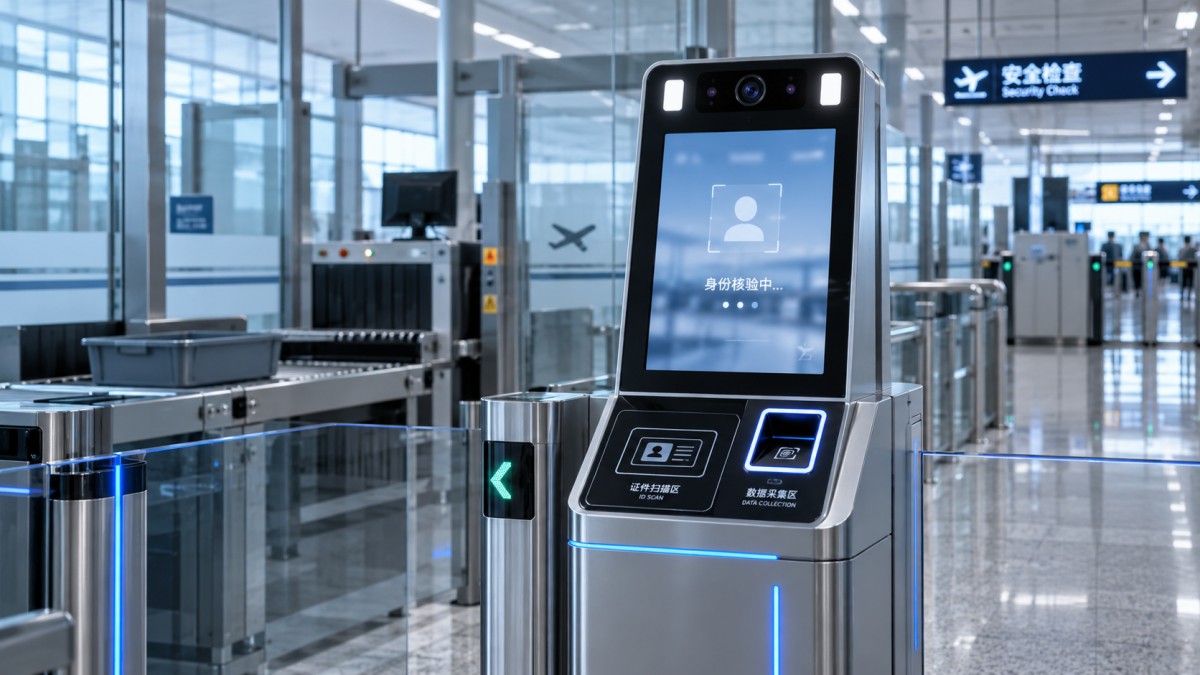
An audit by the U.S. Transportation Security Administration (TSA) has identified “major weaknesses” in the technology used at major airport hubs to capture travelers’ facial recognition data. The finding has raised fresh privacy concerns as the agency continues expanding facial recognition for security screening and identity verification.
Why the finding matters
Facial recognition systems handle biometric information that can be highly sensitive. The audit’s conclusion indicates that the privacy risks may extend beyond the screening process itself to the way facial data is collected and stored. If those safeguards remain insufficient, travelers could face a greater risk of unauthorized access or exposure of personal information.
The issue also highlights a tension within biometric screening: expanding the technology may support faster identity checks, but broader deployment increases the importance of strong controls around data handling. Efficiency gains alone do not resolve the privacy concerns associated with collecting and retaining facial information.
What to watch next
From the current information, the clearest industry signal is that biometric security systems will be judged not only by their screening performance but also by the effectiveness of their privacy protections. The immediate areas to watch are any changes to TSA’s data collection and storage safeguards, as well as further public information about how the identified weaknesses will be addressed.
The longer-term impact will depend on whether corrective measures strengthen protection for travelers while allowing facial recognition to remain useful in airport security and identity verification. Until those developments become clearer, the audit is best understood as a warning that expanded biometric use requires corresponding improvements in privacy controls.
- Last One:No more articles
- Next Article:Which EN standards apply to respiratory protective equipment?Oct 21, 2026
Recommended News