
Search News
Industry Portal
Hot Articles
New York City Advances Biometric Surveillance Limits for Venues and Housing
Time
Click Count
On November 4, 2026, New York City advanced legislation that could restrict the use of facial recognition and other biometric technologies to identify or verify customers and tenants. The proposals are relevant to security equipment suppliers, commercial venue operators and residential landlords because, if adopted, they could affect how biometric systems are purchased and deployed.
Two Proposals Target Customer and Tenant Identification
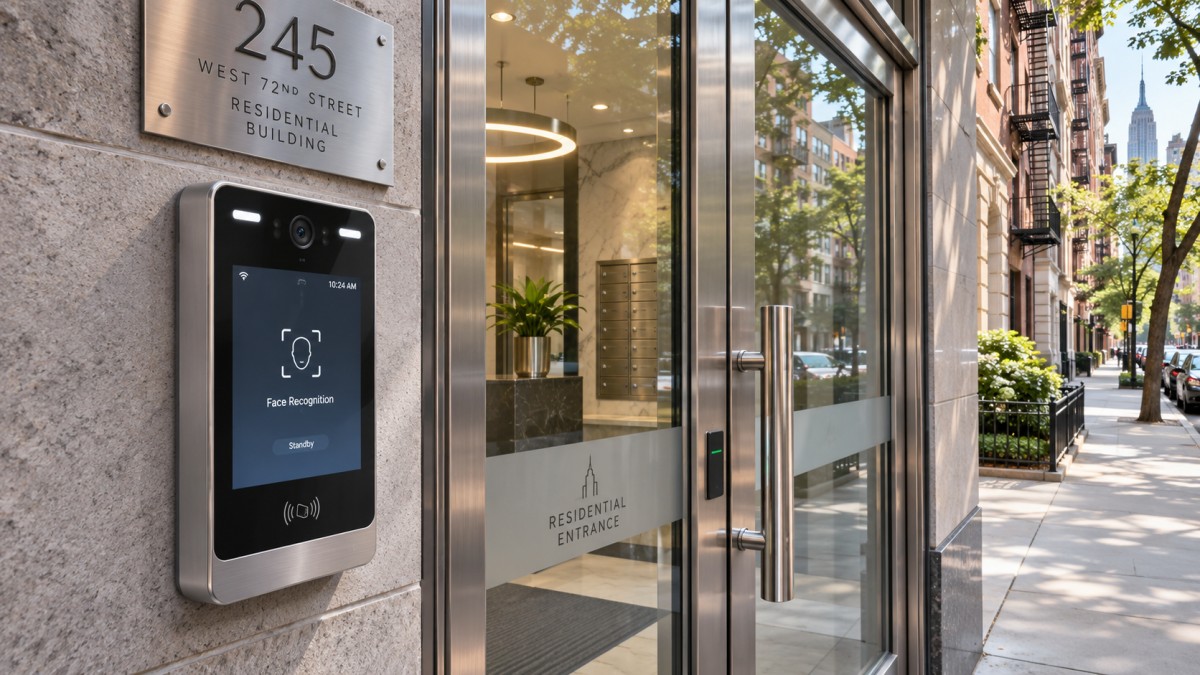
Mayor Zohran Mamdani and the City Council advanced the legislative process to limit biometric surveillance. The council held a hearing on two bills intended to prohibit the use of biometric technology, including facial recognition, by public venues and residential landlords to verify or identify customers and tenants. The stated aim is to strengthen privacy protection.
According to the supplied event summary, the proposed policy, if passed, would directly affect the deployment of biometric security equipment in commercial and real estate settings.
Where Equipment and Procurement Decisions Could Shift
Suppliers and System Integrators
From an industry perspective, manufacturers and integrators of biometric security systems could face changes in demand for applications involving customer or tenant identification. Depending on the final rules, product configurations, installation plans and technical documentation may need review before deployment in affected settings.
Venues and Residential Landlords
Analysis suggests that operators and landlords considering biometric systems may need to reassess procurement specifications and planned uses if the proposals become law. Existing and prospective contracts could also merit review to determine how a change in permitted uses might affect delivery or service arrangements; the supplied information does not establish how existing installations would be treated.
Distributors and Service Providers
Distributors and after-sales providers could be affected if customers revise orders or seek changes to deployed systems. The extent of any effect would depend on the final scope and implementation details, which are not specified in the supplied information.
Preparing for Unresolved Compliance Questions
Track the Legislative Scope
Businesses may wish to follow the bills' progress and check any final wording for the covered locations, users, technologies and identification activities. The hearing does not, on its own, establish that the proposed restrictions are in force.
Review Product Uses and Documentation
Suppliers and buyers could map proposed deployments against the uses described in the bills as further details become available. Reviewing technical specifications and procurement documents may help identify where a product is intended to verify or identify customers or tenants. No new certification or documentation requirement is confirmed in the supplied information.
Assess Procurement and Alternatives
For projects under consideration, purchasers and integrators may wish to assess how different legislative outcomes could affect specifications, delivery plans and supplier commitments. Non-biometric alternatives could be evaluated against the intended use, subject to verification against any applicable final rules.
A Proposal to Monitor, Not an Implemented Ban
At this stage, the development is best understood as a legislative process that warrants monitoring, rather than a confirmed restriction already in effect. The practical consequences for equipment deployment will depend on whether the bills pass and on details not provided in the event summary, including their final scope and implementation arrangements.
Keeping Deployment Decisions Proportionate
The proposals signal potential changes for biometric identification in commercial venues and residential properties. For affected businesses, a proportionate response is to review relevant projects and follow the legislation while avoiding assumptions about a final ban, its timing or its treatment of particular systems.
Basis for This Report and Further Verification
This article is based on the supplied news title, event date and event summary. No specific official source link was provided in the input, so the information requires continued verification. Official announcements and legislative materials may help clarify the bills' status and final provisions; subsequent procurement changes and industry feedback may also inform assessment of their practical effects.
Recommended News