
Search News
Industry Portal
Hot Articles
World Unveils Biometric Proof-of-Human Tools for Banks and AI Agents
Time
Click Count
World, formerly Worldcoin, announced a World ID proof-of-human solution for banking and finance on October 18, 2026, combining biometric enrollment with tools for remote verification and AI agent interactions. The announcement raises practical questions about how banks and technology suppliers might incorporate cryptographic proof of personhood into onboarding and compliance workflows. Based on the supplied information, it represents a product development and financial-sector collaboration signal; it does not establish a new regulatory requirement or confirm that the credentials satisfy banking compliance obligations.
World ID Combines Orb Enrollment With Financial Verification Tools
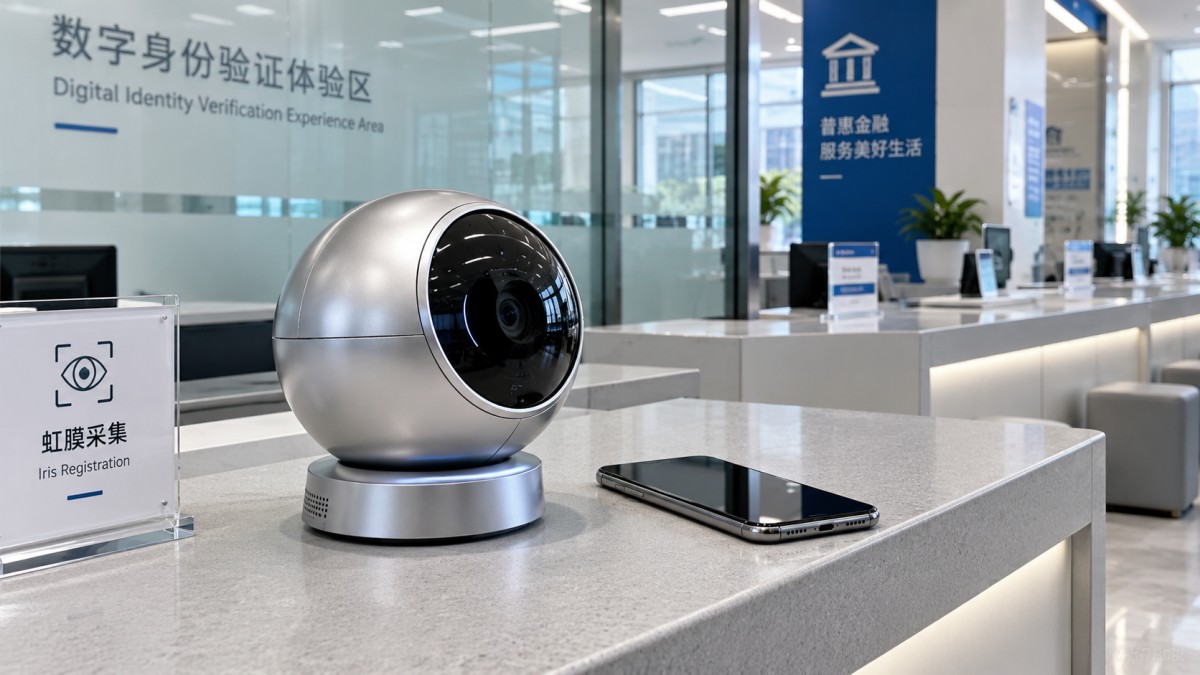
The announced solution integrates one-time iris verification using the Orb device, deepfake detection for video calls, an identity wallet, and AI agent verification tools. World has entered a design collaboration phase with four financial institutions.
Users undergo iris and facial image capture through Orb to generate an encrypted, anonymous World ID. The resulting cryptographic credentials allow users to demonstrate that they are human in bank account opening, remote compliance processes, and interactions involving AI agents, without repeatedly submitting biometric data.
The supplied announcement identifies these functions and intended applications but provides no detailed implementation timetable, institutional acceptance criteria, or regulatory approval information.
Banks and Technology Suppliers Face Different Acceptance Questions
Account Opening Depends on What the Credential Establishes
From an industry perspective, banks evaluating the solution may need to distinguish proof that a participant is human from the evidence required to establish a customer's identity and eligibility for an account. The supplied information does not establish that World ID alone fulfills those requirements. Its potential operational value therefore depends on which checks a bank could support with the credential and which would require additional evidence.
Analysis suggests that onboarding and remote compliance teams could be affected through changes to verification sequences, evidence handling, and exception reviews. Before treating the credential as an accepted input, participating institutions could assess how verification results would be documented and reviewed within their own processes.
Integration Contracts May Need More Precise Verification Specifications
For identity technology suppliers and system integrators, the combination of Orb enrollment, an identity wallet, and video-call deepfake detection may create a need to define each component's role more precisely. Procurement assessments could examine what information each component supplies, how a bank receives a verification result, and how unsuccessful checks would be handled.
These are potential integration and delivery considerations, rather than confirmed changes to procurement rules. The input does not establish technical interfaces, supplier qualification requirements, service commitments, or certification arrangements.
AI Agent Workflows Raise a Separate Authorization Question
For businesses developing or deploying AI agents, analysis suggests that verifying a human connection could become relevant to the design of financial interactions. However, proof of a human's involvement does not, on the supplied information, establish what an agent is authorized to do. Prospective users could therefore examine how the proposed verification tools would relate to permissions, transaction approval, and records of agent activity.
Practical Reviews Before Procurement or Deployment
Define the Intended Compliance Use
As a practical recommendation, banks considering the solution could identify the specific verification step they intend it to support. Account opening, video-based checks, and AI agent interactions may call for different evidence and acceptance decisions. Internal reviews could document the intended use and identify any additional checks needed, without assuming that the product announcement changes applicable obligations.
Examine Biometric Handling Beyond Repeat Submission
The stated ability to avoid repeated biometric submission is relevant to workflow design, but the input does not explain the complete handling of enrollment images or related data. A prudent assessment could seek documentation on collection, processing, retention, access, and deletion, together with an explanation of how the anonymous credential is generated and used. These are suggested due diligence topics, not confirmed features or shortcomings of the solution.
Request Evidence for Each Verification Function
Prospective purchasers could request technical documentation and evaluation evidence for Orb enrollment, video-call deepfake detection, wallet functions, and AI agent verification. Analysis suggests that assessing these functions separately would help buyers define acceptance criteria and understand how each contributes to a proposed financial workflow. The supplied information provides no performance results or independent certification findings.
Link Delivery Commitments to the Collaboration Stage
Because the announcement describes design collaboration with four financial institutions, potential buyers could clarify implementation scope, integration dependencies, and support arrangements before setting delivery commitments. Any procurement or rollout decision would benefit from confirmation of the capabilities available for the buyer's intended use. The input does not establish completed deployment across those institutions.
The Announcement Signals Experimentation in Financial Verification
Editorial analysis suggests that the development is best understood as an attempt to bring reusable proof of personhood into financial verification workflows. The combination of biometric enrollment and cryptographic credentials proposes a way to demonstrate human status without submitting biometric data at every interaction. Whether that approach changes accepted industry practice remains an open question.
The distinction matters for interpreting the announcement as a rules-related development. No new law, mandatory standard, certification scheme, or supervisory acceptance is identified in the supplied information. Subsequent institutional acceptance criteria, technical documentation, and any relevant official guidance would be needed to assess whether the design work leads to broader changes in compliance or procurement practice.
Evaluate the Use Case Before Treating It as an Accepted Control
On the available information, World ID gives banks and their suppliers a concrete proposal to evaluate across onboarding, remote checks, and AI agent interactions. The immediate industry implication is a possible change in how verification evidence is generated and presented, subject to technical assessment and institutional acceptance.
A measured response would be to assess the credential against a defined business use, examine the supporting documentation, and follow the outcome of the financial design collaborations. At this stage, the announcement supports evaluation and preparation; it does not establish a generally accepted compliance control or a mandatory change to banking procedures.
Basis of This Article and Developments to Verify
This article is based solely on the user-provided news title, event date of October 18, 2026, and event summary. No specific official source link was included in the input, so the announcement and subsequent implementation details require continued verification.
Relevant materials for follow-up could include official company announcements, participating institutions' disclosures, technical documentation, and any applicable regulatory publications. Further observation should focus on institutional acceptance criteria, biometric data handling, verification evidence, any certification or supervisory positions, procurement specifications, and feedback from implementation. These source categories and follow-up topics are identified for verification and are not presented as materials already reviewed.
- Last One:No more articles
- Next Article:Which smart hardware standards enable interoperable street lighting?Oct 20, 2026
Recommended News