
Search News
Industry Portal
Hot Articles
GCC Sets DALI-2 and Thread Rule for Smart Street Lighting
Time
Click Count
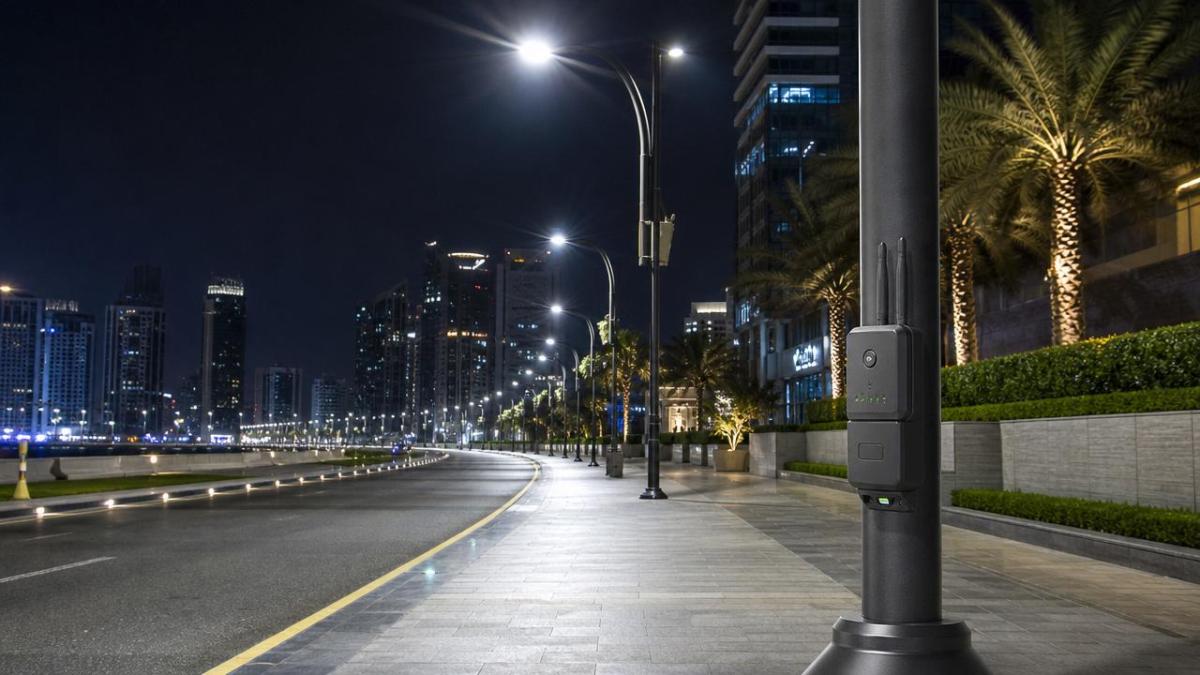
On June 9, 2026, the Gulf Cooperation Council (GCC) moved to align public lighting procurement across Saudi Arabia, the UAE, Qatar, Kuwait, Oman, and Bahrain by signing a regional mutual recognition framework for smart street lighting. For companies supplying Smart Street Lighting IoT products, the development is worth close attention because it ties future tender access to a specific technical requirement: pre-integrated dual-protocol gateways supporting both DALI-2 dimming and Thread low-power IoT connectivity, along with unified registration. The change is particularly relevant for exporters, lighting manufacturers, gateway integrators, firmware teams, and public-sector project suppliers serving the GCC market.
What the New GCC Framework Confirms
According to the information provided, the GCC signed the Smart Street Lighting Regional Mutual Recognition Framework on June 9, 2026. The framework covers six member markets: Saudi Arabia, the United Arab Emirates, Qatar, Kuwait, Oman, and Bahrain.
Starting in September 2026, all Smart Street Lighting IoT products entering GCC public lighting tenders must come with a pre-installed dual-mode gateway that supports both the DALI-2 dimming protocol and the Thread low-power IoT protocol. These products must also be registered through the GCC certification center, GCC-CERT.
The provided information also states that Chinese export companies are required to complete firmware upgrades and filing procedures by August 15.
Where the Immediate Pressure Will Be Felt
Product design and integration move to the front line
From an industry perspective, manufacturers of smart street lighting equipment may be affected first because the requirement is not limited to paperwork. It is tied directly to product configuration. The practical impact is likely to appear in gateway integration, firmware readiness, product specification matching, and bid-entry compliance for GCC public lighting projects.
Tender-facing exporters face a tighter readiness window
Direct trade companies and project-oriented exporters may feel the impact in quotation preparation, model selection, delivery planning, and customer communication. Analysis shows that products previously positioned for GCC tenders may need to be reviewed not only for hardware compatibility but also for whether registration and filing can be completed within the required timeline.
Certification and documentation become part of commercial execution
Service providers involved in compliance support, technical documentation, and bid submission may also see immediate changes in workload. What deserves closer attention is that unified GCC-CERT registration turns compliance documentation into a commercial gate, not just a post-sale administrative step.
Public buyers and project contractors may tighten specification screening
For procurement entities and project contractors participating in GCC public lighting tenders, the framework may affect prequalification review, technical comparison, and supplier communication. Observably, the announced requirement gives buyers a clearer basis for filtering products before tender participation.
What Companies Should Track Now
Separate confirmed rules from later implementation details
Companies should focus first on the confirmed elements already stated: the September 2026 tender threshold, the DALI-2 plus Thread dual-protocol gateway requirement, GCC-CERT registration, and the August 15 firmware upgrade and filing deadline for Chinese exporters. Analysis shows that operational decisions should be based on these confirmed points rather than assumptions about broader technical or market changes.
Review product lists intended for GCC public lighting bids
For suppliers with active or planned GCC public lighting business, a practical priority is to screen existing product lines and bid models against the announced technical condition. This is especially relevant for products that may already meet one protocol requirement but not the full dual-protocol gateway condition.
Check firmware, filing, and delivery timing together
What deserves closer attention is the interaction between compliance timing and delivery execution. A product may be commercially relevant, but if firmware upgrades and filing are not completed in time, tender participation could still be affected. This makes internal coordination between engineering, regulatory, sales, and project delivery teams more important in the short term.
Prepare customer communication around registration status
Companies serving GCC buyers may also need clearer communication materials on product configuration and registration progress. From an industry perspective, the issue is not only whether a product can technically comply, but whether suppliers can demonstrate readiness in a form that supports tender confidence.
Why This Looks Like More Than a One-Off Notice
Analysis shows that this development is best understood as a concrete procurement-access signal rather than a general policy statement. The framework links product architecture, protocol selection, and certification registration to market entry in public lighting tenders, which gives it operational significance beyond a headline announcement.
At the same time, it is more appropriate to understand this as an actionable short-term change with longer-term standardization implications, rather than as a fully settled industry outcome. The confirmed facts define tender access requirements and deadlines, but the broader commercial response across suppliers, integrators, and buyers still needs continued observation.
How to Read the Signal at This Stage
The immediate meaning of the announcement is clear: companies targeting GCC public lighting tenders need to treat dual-protocol gateway integration and GCC-CERT registration as current market-access conditions, not optional upgrades. In a broader sense, the framework also suggests that technical interoperability and centralized registration are becoming more visible in procurement design for smart street lighting in the region.
For now, the most balanced reading is that this is both a near-term compliance change and a longer-term market signal. It should not be overstated as a final reshaping of the sector, but it also should not be treated as a routine administrative update.
Basis of This Article
This article is generated based on the user-provided news title, event date, and event summary. The confirmed facts cited here are limited to the provided information about the June 9, 2026 GCC framework signing, the September 2026 procurement requirement, the DALI-2 and Thread dual-protocol gateway condition, GCC-CERT registration, and the August 15 firmware upgrade and filing deadline for Chinese exporters.
For this type of industry development, commonly relevant source categories may include official announcements, company statements, industry association releases, authoritative media reporting, and standard-organization documents. A specific official source link was not provided in the input, so further verification remains necessary. Follow-up attention should focus on any subsequent official wording, implementation guidance, registration procedures, and tender-side application details related to the announced framework.
Recommended News