
Search News
Industry Portal
Hot Articles
Huawei Ascend 384 Super-Node Enters Mass Production in Tianjin; Liquid-Cooling AI Infrastructure Expands Overseas
Time
Click Count
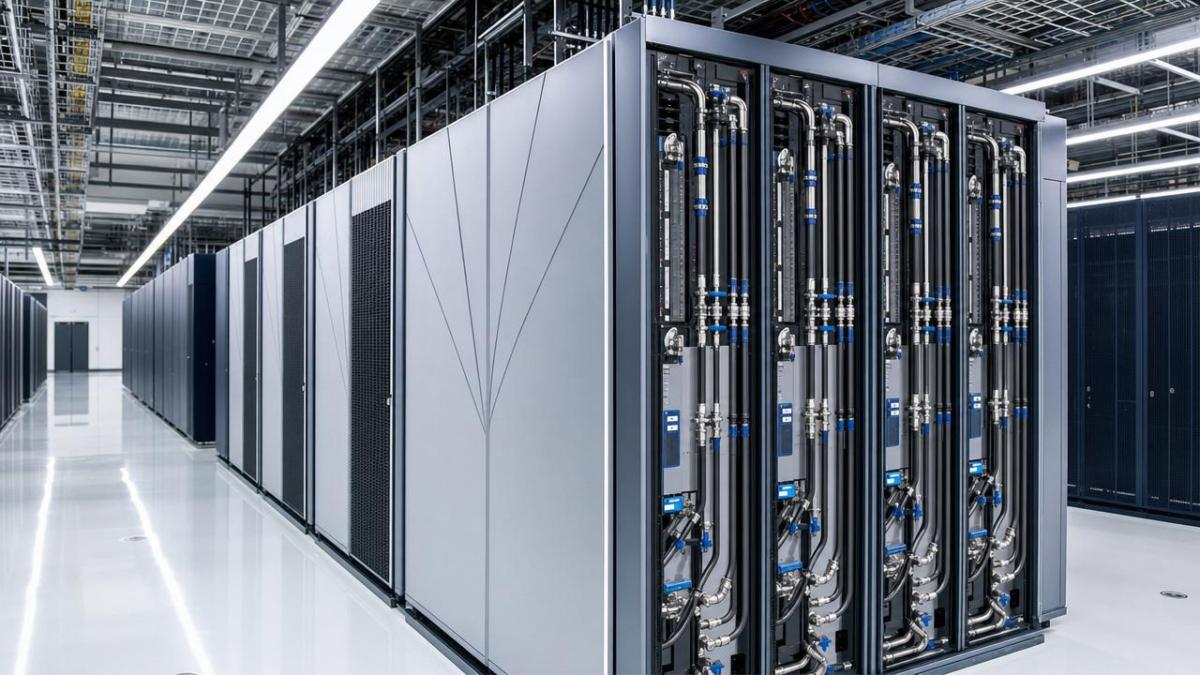
On May 28, 2026, Huawei announced at the World Intelligent Industry Expo that its Ascend 384 Super-Node — the Atlas 900 A3 SuperPoD — had entered commercial operation in Wuqing District, Tianjin. With a peak system capacity of 307 petaFLOPS (P) and integrated TMU 450 kW liquid-cooling thermal management hardware, the deployment marks the first large-scale rollout of this high-density AI infrastructure platform. The solution has obtained UL 62368-1 and IEC 60950-22 certifications, and is now being delivered in batches to data center integrators in the Middle East and Southeast Asia — driving increased export demand for complementary hardware including smart lighting IoT gateways and DC-powered tool edge inference modules. This development warrants close attention from companies involved in AI infrastructure supply chains, thermal management systems, and edge-AI hardware manufacturing.
Event Overview
On May 28, 2026, Huawei confirmed at the World Intelligent Industry Expo that the Ascend 384 Super-Node (Atlas 900 A3 SuperPoD) had commenced commercial deployment in Wuqing District, Tianjin. Each unit delivers up to 307P of AI compute capacity and is paired with a 450 kW TMU liquid-cooling system. The solution has achieved UL 62368-1 and IEC 60950-22 safety certifications. Huawei stated it is now delivering the system in volume to data center integrators across the Middle East and Southeast Asia. Associated export demand has risen for smart lighting IoT gateways and DC-powered tool edge inference modules.
Industries Affected by This Development
Direct Exporters and Hardware Manufacturers
Companies exporting AI-accelerated edge modules or industrial IoT gateways may experience increased order volume — particularly those supplying components compatible with Huawei’s Ascend ecosystem. The certified liquid-cooling integration and overseas delivery timeline suggest growing alignment between Huawei’s infrastructure deployments and third-party hardware interoperability requirements.
Data Center Integrators and System Builders
Integrators targeting Middle Eastern and Southeast Asian markets face heightened technical qualification demands. Certification compliance (UL 62368-1 / IEC 60950-22) is now a baseline requirement for co-deployment with Huawei’s SuperPoD. This raises the bar for thermal interface design, power delivery architecture, and safety documentation in joint solution proposals.
Thermal Management Component Suppliers
Suppliers of cold plates, dielectric coolants, pump modules, and TMU controllers are directly impacted. The 450 kW TMU specification signals a shift toward higher-power-density liquid cooling — moving beyond legacy 100–200 kW rack-level units. Compatibility with Huawei’s proprietary TMU interface and control protocol becomes a differentiating factor.
Supply Chain and Logistics Service Providers
Firms supporting cross-border shipment of high-value, temperature-sensitive AI infrastructure hardware must adapt to new handling protocols. Certified liquid-cooling systems require specialized packaging, transport monitoring (e.g., coolant integrity, vibration thresholds), and customs documentation aligned with IEC/UL certification references — especially for shipments to GCC and ASEAN markets.
What Enterprises and Practitioners Should Focus On Now
Monitor certification alignment for co-deployed hardware
Current deliveries target certified integration environments. Companies supplying gateway or edge inference hardware should verify whether their existing UL/IEC certifications cover interoperability with Huawei’s TMU-controlled thermal envelope — not just standalone device safety.
Track regional delivery milestones and integrator partnerships
The initial batch deliveries are directed at data center integrators, not end users. Observing which regional integrators are named in Huawei’s official updates — and whether they disclose technical integration scope (e.g., full stack vs. partial subsystems) — helps assess real-world adoption velocity and compatibility gaps.
Distinguish between certification status and commercial scale
UL 62368-1 and IEC 60950-22 confirm safety compliance, but do not imply automatic regulatory approval in all target countries (e.g., Saudi SABER, Thailand TISI). Enterprises should separately validate local conformity assessment pathways before committing to production ramp-up.
Prepare for thermal interface standardization discussions
As deployments scale, Huawei and integrators may begin aligning on mechanical, electrical, and communication interfaces for TMUs. Early engagement with technical working groups — or internal readiness to adapt to emerging interface specs — reduces future redesign risk.
Editorial Perspective / Industry Observation
Observably, this announcement signals a transition from pilot validation to early-stage commercial scaling — not yet broad market penetration. The focus on certified liquid-cooling integration and region-specific delivery channels suggests Huawei is prioritizing reliability and compliance over speed of rollout. Analysis shows that the impact is currently most tangible for suppliers operating within narrow technical boundaries: those already engaged in AI infrastructure thermal management or Huawei-certified edge hardware ecosystems. It is better understood as a signal of tightening interoperability expectations in high-density AI data centers — rather than an immediate demand surge across the wider electronics supply chain.
From an industry standpoint, the key implication lies in the coupling of compute density (307P per node), thermal intensity (450 kW TMU), and international certification. This combination sets a new reference point for what constitutes ‘production-ready’ AI infrastructure outside China — one that elevates the importance of certified thermal subsystems alongside silicon-level performance.
Consequently, sustained observation is warranted — particularly regarding whether subsequent deployments expand beyond current integrator partners, and whether Huawei publishes interface specifications or reference designs for third-party TMU or edge module integration.
Conclusion: This milestone reflects a measured, compliance-driven expansion of Huawei’s AI infrastructure offering — emphasizing certified thermal integration and targeted regional delivery. It does not indicate imminent mass-market adoption, but rather confirms a maturing framework for high-density AI deployments in regulated international data center environments. Current interpretation should emphasize technical readiness and certification alignment — not broad-based demand acceleration.
Source: Official announcement by Huawei at the World Intelligent Industry Expo, May 28, 2026. Certification status confirmed via publicly available UL and IEC database entries. Regional delivery scope and associated hardware demand cited directly from Huawei’s event briefing materials.
Note: Ongoing tracking is recommended for updates on partner integrator disclosures, TMU interface documentation releases, and country-specific regulatory acceptance status beyond UL/IEC baseline certifications.
Recommended News