
Search News
Industry Portal
Hot Articles
How to Choose Industrial Hardware for Processing Plants with Less Downtime
Time
Click Count
Choosing industrial hardware for processing plants is rarely a simple sourcing exercise. The parts and systems installed across a facility shape uptime, maintenance intervals, worker safety, and the real cost of production. In harsh environments, even a minor mismatch between hardware design and plant conditions can trigger repeated stoppages, premature wear, or hidden compliance risks.
That is why industrial hardware for processing plants must be evaluated as part of an operating system, not as isolated products. Fasteners, powered tools, access control, lighting, and protective equipment all influence how reliably a plant runs. A sound choice reduces disruption today and makes later expansion, retrofitting, and digital integration far easier.
Why hardware selection matters more in modern plants
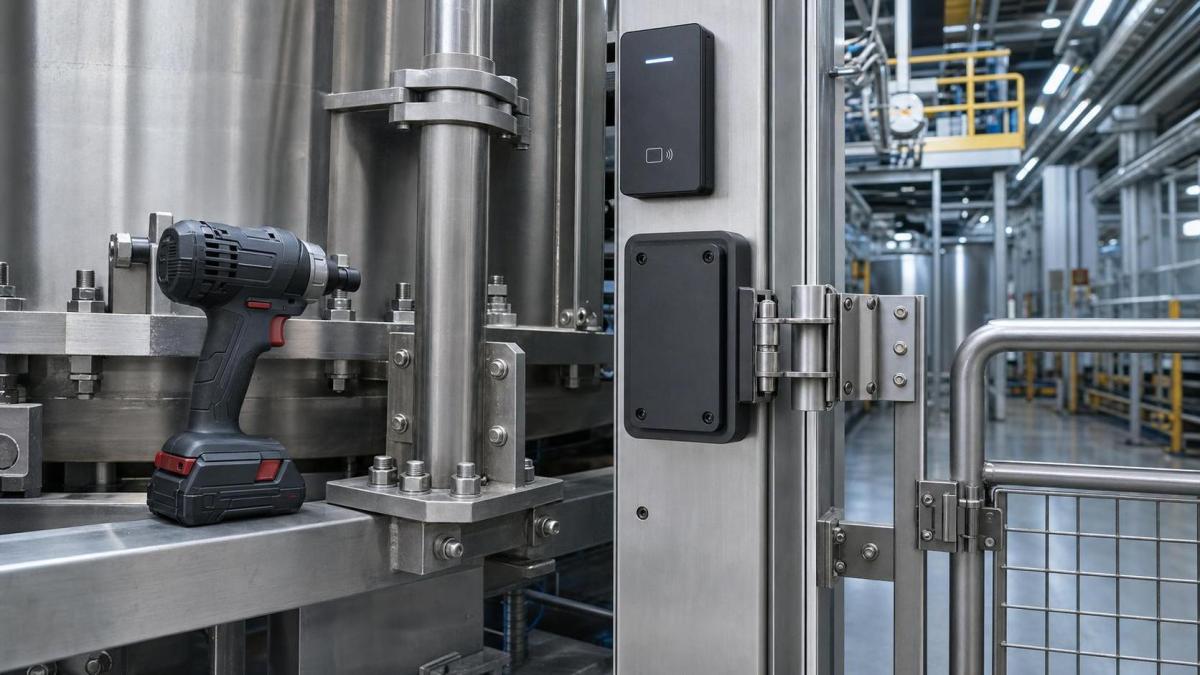
Processing plants now operate under tighter performance expectations. Output targets are higher, maintenance windows are shorter, and traceability demands are stricter. Hardware that once seemed acceptable may no longer support these conditions.
More facilities also combine mechanical systems with AIoT monitoring, automated workflows, and security controls. This changes the decision criteria. Buyers are no longer looking only at strength or price. They also need durability, compatibility, serviceability, and data readiness.
From the SHSS perspective, this is where physical reliability and intelligent infrastructure meet. High-strength fasteners, brushless industrial tools, biometric security, smart lighting, and PPE are not separate categories in practice. They support the same goal: stable production with fewer avoidable interruptions.
What counts as industrial hardware for processing plants
The term covers more than bolts, hinges, or brackets. In a processing environment, it includes the physical components and support systems that keep equipment, people, and workflows connected under load.
Core categories usually include
- Structural and high-strength fasteners for machinery, supports, pipe racks, and vibration-prone assemblies.
- Industrial power and pneumatic tools used for installation, maintenance, and shutdown work.
- Access hardware and biometric security systems for restricted production, storage, and utility zones.
- Commercial and smart LED lighting for work areas, inspection points, and hazardous paths.
- PPE and protective gear linked to dust, heat, chemicals, sharp edges, or confined space risks.
Seeing the full picture matters because downtime rarely starts with one dramatic failure. It often begins with small weaknesses across several layers of hardware selection.
Start with plant conditions, not catalog specifications
A hardware datasheet can look impressive and still perform poorly in service. The better starting point is the plant itself. Temperature swings, moisture, washdown cycles, dust, vibration, corrosive agents, and operating frequency determine whether a product will last.
For example, industrial hardware for processing plants in food, chemicals, minerals, or energy facilities faces very different stress patterns. A stainless fastener chosen for corrosion resistance may still fail if thread design and preload behavior do not match vibration loads.
The same logic applies to tools and controls. A brushless fastening tool may improve speed, but only if battery endurance, torque consistency, and maintenance support align with plant routines. A biometric access device may improve security, but only if it handles low light, gloves, dust, and local compliance demands.
Useful questions before shortlisting hardware
- What environmental exposures will this hardware face every shift?
- Will failure stop production, slow maintenance, or create a safety event?
- Can it be inspected, replaced, and stocked without disrupting operations?
- Does it fit current standards, lockout routines, and digital systems?
The downtime factors that deserve closer attention
When comparing industrial hardware for processing plants, the most important risks are usually practical, not theoretical. They appear during daily use, maintenance, and shift turnover.
This kind of review is especially useful when teams are balancing capital cost against lifecycle performance. The cheaper item often becomes the expensive one after repeated replacement, poor installation speed, or unplanned downtime.
How key hardware categories affect plant reliability
Fasteners and load-bearing hardware
Fasteners are easy to underestimate because they are small and familiar. In reality, they transfer stress across frames, guards, piping supports, enclosures, and rotating equipment. If thread quality, heat treatment, or locking method is wrong, vibration can undo an entire assembly.
For industrial hardware for processing plants, selection should include preload stability, corrosion behavior, and inspection access. In critical areas, traceable quality and controlled installation torque are often more valuable than nominal strength alone.
Brushless tools for installation and maintenance
BLDC tools can reduce service time, especially during shutdown work. They deliver consistent torque, lower maintenance needs, and better efficiency than older brushed alternatives. In practice, that supports faster fastening, less rework, and fewer delays on congested maintenance schedules.
Still, tool selection should match duty cycle, fastening range, battery strategy, and calibration requirements. A high-performance tool without local support or spare packs can become another bottleneck.
Security hardware and controlled access
Downtime also comes from unauthorized entry, key loss, or delayed access to critical zones. Smart access and biometric security can tighten control without slowing emergency response. In facilities with sensitive utilities or data-linked operations, this becomes a reliability issue as much as a security issue.
Selection should consider recognition speed, environmental tolerance, fallback modes, and data governance. SHSS places particular emphasis on this intersection between physical protection and compliance.
Lighting and PPE as uptime enablers
Lighting and PPE are sometimes treated as separate from plant hardware decisions. That is a mistake. Poor task lighting causes inspection misses, slow maintenance, and avoidable accidents. Weak protective gear can limit how long work can continue in harsh zones.
Smart LED systems with adaptive control help maintain visibility while cutting energy waste. Proper PPE selection supports safe, continuous work in demanding conditions, especially during outages, repairs, and hazardous interventions.
A practical evaluation framework before purchase
A useful buying process for industrial hardware for processing plants should move beyond unit price and brand familiarity. The stronger method is to compare each option against a short list of operational tests.
Build the comparison around these points
- Expected service life under actual plant conditions, not lab assumptions.
- Installation quality requirements and training burden.
- Maintenance frequency, replacement lead time, and parts availability.
- Interoperability with digital controls, access systems, or asset platforms.
- Documented compliance with site, industry, and regional requirements.
- Total cost of ownership across outages, labor, energy, and replacement cycles.
Where possible, test critical hardware in a defined operating zone before broad rollout. A short field trial often reveals more than a polished specification sheet.
What to do next with your shortlist
The next step is to map hardware choices against the plant areas where downtime is most expensive. Start with assemblies exposed to vibration, access points tied to critical operations, maintenance tools used during shutdowns, and work zones where lighting or PPE affects task speed.
Then compare options using the same scoring logic across reliability, maintainability, compliance, and lifecycle cost. That creates a stronger basis for deciding which industrial hardware for processing plants deserves standardization, which items need pilot testing, and which low-cost choices may carry hidden operational risk.
A plant that runs with less downtime is usually built on disciplined small decisions. When hardware is chosen with the operating environment in mind, reliability becomes easier to protect and far less expensive to recover.
Recommended News