
Search News
Industry Portal
Hot Articles
What a PPE Product Knowledge Platform Should Cover to Reduce Safety Errors
Time
Click Count
What a PPE Product Knowledge Platform Should Cover to Reduce Safety Errors
A reliable PPE product knowledge platform should do more than list product specs. It should help teams prevent costly mistakes before they happen.
For many sites, safety errors begin with fragmented information. One file shows standards, another shows fit notes, and another holds maintenance rules.
That gap creates real risk. A wrong glove, expired filter, or misunderstood rating can turn routine work into an incident.
A strong PPE product knowledge platform closes those gaps. It connects hazard assessment, product data, compliance, training, and field use in one place.
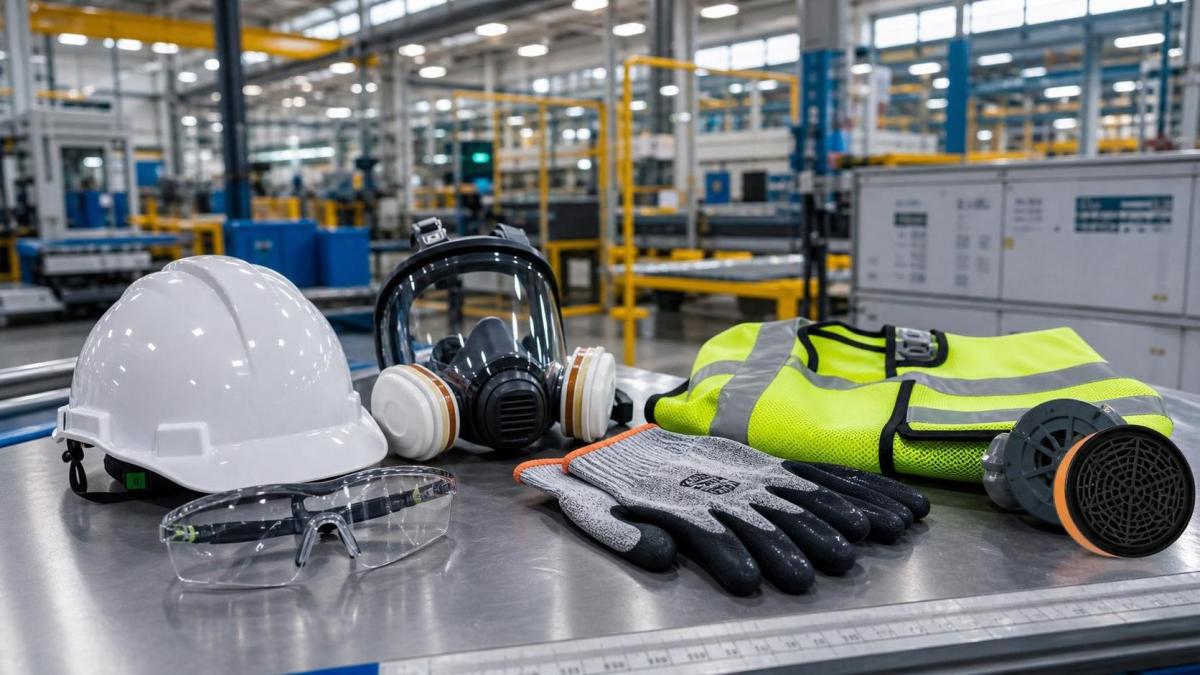
In practice, that means faster decisions and fewer avoidable errors. It also means better purchasing logic, clearer audits, and more consistent worker protection.
For industrial environments, the best platform supports both operational speed and strict control. That balance is what reduces safety errors over time.
Start With Hazard Matching, Not Product Cataloging
The first job of a PPE product knowledge platform is hazard matching. If the system starts with catalog pages, it starts in the wrong place.
Users need to begin with exposure conditions. Those include cut risk, impact risk, airborne particles, chemicals, heat, arc flash, and low visibility.
The platform should translate each hazard into suitable PPE categories. It should also flag common mismatch errors that happen during rushed selection.
- Dust masks selected for gas exposure
- Cut-resistant gloves used where chemical resistance is needed
- Face shields used without compatible eye protection
- High-visibility garments chosen without checking light conditions
This matters because most safety errors are context errors. The product may be certified, but still be wrong for the task.
A better PPE product knowledge platform links job tasks, tools, and site conditions to approved equipment choices. That makes decisions easier to defend.
Build Compliance Into Everyday Decisions
Compliance data should not sit in a separate archive. It should appear directly inside product records and selection workflows.
A useful PPE product knowledge platform should show applicable standards, certification scope, test methods, and expiration or review requirements.
For global operations, this becomes even more important. Teams often manage mixed requirements across regions, contractors, and project owners.
The platform should support references such as ANSI, EN, ISO, NIOSH, and OSHA guidance where relevant. It should explain what those standards actually mean.
That explanation prevents a common problem. People see a standard number, assume full protection, and miss performance limits hidden in technical notes.
Good systems also track approved substitutions. When a supply shortage happens, teams need safe alternatives, not informal workarounds.
What Compliance Data Should Include
- Standard name and current version
- Certification body and document status
- Performance classes and tested limits
- Use restrictions and compatibility warnings
- Required inspection and replacement intervals
Show Material Performance in Plain Language
Technical material data is essential, but raw numbers alone are rarely enough. Teams need a plain-language explanation of what each material can and cannot handle.
A PPE product knowledge platform should compare material behavior under real working conditions. That includes abrasion, puncture, chemical splash, humidity, and repeated cleaning.
This is especially relevant for advanced PPE. Kevlar blends, coated fabrics, multi-layer respirator media, and impact foams can perform very differently in the field.
In actual operations, performance loss often happens gradually. Without a clear knowledge base, teams may not notice the drop until after an incident or audit finding.
Useful Material Questions the Platform Should Answer
- How does the material react to oils, solvents, or UV exposure?
- Does flexibility change in cold or hot environments?
- Will repeated laundering reduce protection?
- What signs indicate early failure?
When this information is easy to find, safety managers make better calls. Quality teams also gain a stronger basis for supplier review and incoming inspection.
Fit, Compatibility, and Human Factors Must Be Core Content
Many safety errors happen even when the right product category is chosen. The next failure point is fit and equipment compatibility.
A PPE product knowledge platform should explain sizing logic, fit testing needs, adjustment methods, and limits caused by face shape, eyewear, or movement.
This is critical for respirators, helmets, hearing protection, and full-body protection. Small fit issues often lead to larger protection failures.
Compatibility matters just as much. Hard hats, face shields, visors, earmuffs, and respiratory gear must work as a system, not as isolated items.
The platform should clearly show approved combinations. It should also warn users where one item reduces the performance of another.
Human-Factor Content That Reduces Errors
- Comfort limits during long shifts
- Dexterity impact for precision work
- Fogging, heat stress, and communication issues
- Restrictions for climbing, confined spaces, or vehicle operation
If workers avoid wearing PPE correctly, the root cause is often usability. A practical knowledge platform needs to address that directly.
Include Inspection, Maintenance, and Replacement Rules
Selection is only the beginning. A PPE product knowledge platform should also support the full equipment lifecycle.
That means daily inspection criteria, cleaning methods, storage rules, filter changes, part replacement, and retirement triggers.
This area is often overlooked. Yet damaged or poorly maintained PPE causes a large share of preventable safety errors.
A good system should separate cosmetic wear from functional damage. It should also define who can inspect, repair, approve, or remove equipment from service.
That level of clarity improves consistency across shifts, facilities, and contractor teams. It also supports cleaner audit trails.
A Practical Maintenance View
Connect Knowledge With Training and Incident Learning
A PPE product knowledge platform should not end with reference data. It should help turn that data into repeatable behavior.
That means training content, visual checks, short decision guides, and updates based on incidents, near misses, and audit findings.
From a business point of view, this is where value becomes visible. The platform becomes a working control tool, not just a digital library.
It should highlight recurring error patterns. For example, repeated glove misuse, poor respirator seal checks, or delayed replacement after contamination.
It should also support version control. When standards change or suppliers update designs, everyone should see the latest approved guidance.
That feedback loop keeps the PPE product knowledge platform relevant. More importantly, it helps reduce safety errors before they become injuries.
What to Prioritize When Choosing a PPE Product Knowledge Platform
If the goal is fewer mistakes, prioritize usability and decision support over catalog size alone. Bigger databases do not automatically create safer outcomes.
Look for a PPE product knowledge platform that ties hazards, standards, fit, materials, maintenance, and training into one reliable workflow.
It should also support supplier validation, product comparisons, and audit-ready records. Those features matter when safety decisions must be justified quickly.
In sectors shaped by advanced manufacturing and stricter compliance, stronger knowledge control is becoming a baseline requirement, not a nice extra.
The best next step is simple. Review where PPE decisions currently fail, then map those failure points against the content your platform actually provides.
When a PPE product knowledge platform covers the full decision chain, safety errors become easier to predict, easier to prevent, and much harder to repeat.
Recommended News