
Search News
Industry Portal
Hot Articles
METI Starts Review of Biometric Lock Data Localization
Time
Click Count
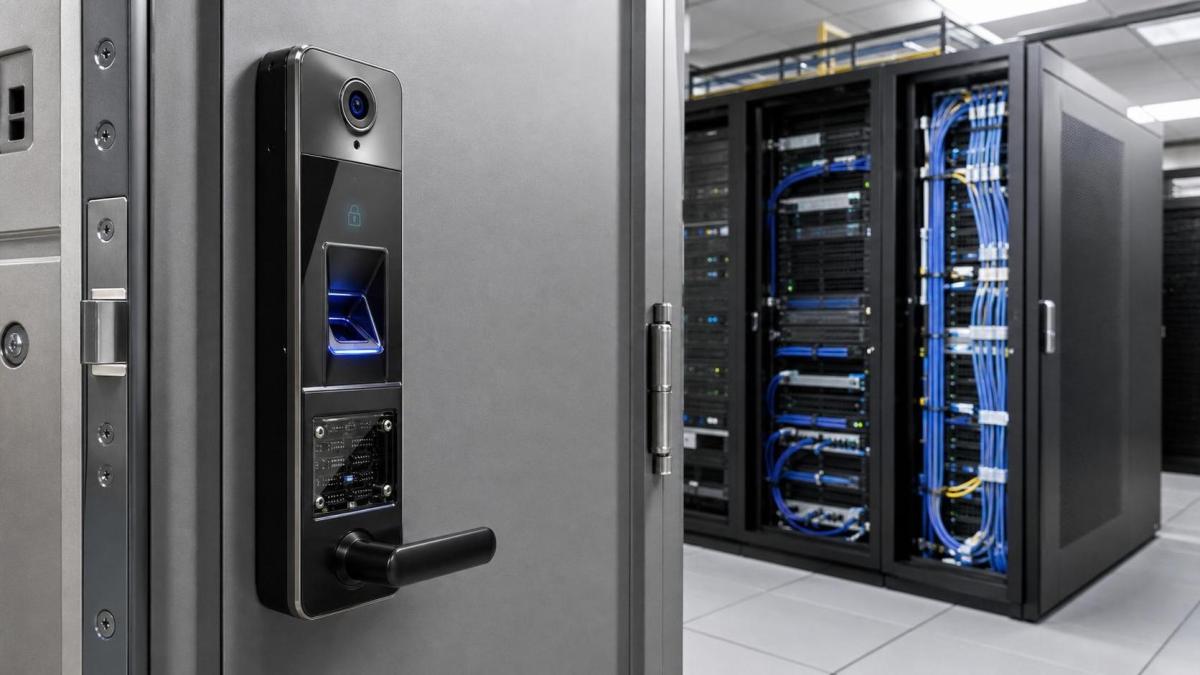
On July 13, 2026, Japan’s Ministry of Economy, Trade and Industry (METI) began a targeted review under the Act on the Protection of Personal Information (APPI) covering iris and vein biometric lock products for the Japanese market. The move matters not only to device makers, but also to certification applicants, cloud-connected service providers, supply chain partners, and buyers preparing new deployments, because it directly affects where biometric image capture, encryption, and template generation can take place and how cross-border data flows must be handled.
What METI Has Put Into Scope
According to the information provided, METI launched the review on July 13, 2026. The review makes clear that, for iris and vein biometric lock devices intended for the Japanese market, the collection of raw iris or vein images, the encryption process, and the generation of biometric templates must all be completed within Japan.
The same information also states that non-desensitized biometric data may not be uploaded through cloud gateways to servers located outside Japan. The first batch of products covered by this review includes newly filed JET certification products from July 2026 onward.
Where the Impact May Be Felt First
Device design and product architecture
From an industry perspective, biometric lock manufacturers may be affected first at the product design level. If a device or its supporting system previously relied on cloud-based processing outside Japan for any part of image handling, encryption, or template creation, that workflow may now face immediate constraints for the Japanese market. What deserves closer attention is whether the current architecture separates local processing from any overseas transmission path.
Certification and market entry schedules
For companies preparing new JET certification filings from July 2026, the review may affect launch timing and submission readiness. The practical pressure point is not only technical compliance, but also whether product documentation, system descriptions, and internal controls can clearly show that the required processing steps are completed domestically.
Cloud-linked service providers and integration partners
Service providers supporting remote management, gateway connectivity, or cloud synchronization may also need to reassess their role in deployments for Japan. Analysis shows that the issue is not general connectivity, but whether any non-desensitized biometric data is transmitted to servers outside Japan. That distinction may become central in customer reviews, system integration decisions, and contract discussions.
Enterprise buyers and deployment operators
End users, procurement teams, and deployment operators may need to pay closer attention to compliance claims made by vendors. For these buyers, the impact is likely to appear in vendor screening, project acceptance criteria, and requests for implementation evidence, especially where biometric access control is part of regulated or risk-sensitive facilities.
What Companies Should Watch Now
Whether domestic processing is demonstrable
Companies serving Japan should focus on whether they can clearly demonstrate that raw biometric image capture, encryption, and template generation occur within Japan. In practice, the issue is not only where the device is sold, but whether the full processing chain for the covered data can be explained and evidenced in a way that aligns with the review direction described in the provided information.
The difference between cloud management and restricted data transfer
What deserves closer attention is the operational boundary between general cloud-enabled functions and the prohibited upload of non-desensitized biometric data to overseas servers. Businesses may need to review whether existing gateway logic, remote diagnostics, synchronization features, or service support processes create transmission paths that conflict with the stated requirement.
Readiness for new JET certification filings
For companies with products entering JET-related procedures from July 2026, preparation work may need to start at the filing stage rather than after certification questions arise. That includes reviewing technical descriptions, data-flow explanations, supplier inputs, and customer-facing compliance materials tied to the Japanese market.
Supplier coordination and customer communication
Observably, this review also creates a coordination issue across hardware, firmware, platform, and service teams. Companies may need more precise communication with upstream suppliers and downstream customers on where covered data is processed, what data leaves the device, and how Japan-specific configurations differ from global defaults.
Why This Looks Like More Than a Narrow Compliance Detail
Analysis shows that this development should not be read simply as a documentation matter. It points to a stricter line around the handling of sensitive biometric data for products sold into Japan, especially where cloud architectures and overseas server dependencies are involved. At the same time, it is more appropriate to understand this as a concrete regulatory signal tied to a defined product category and certification-adjacent workflow, rather than as a confirmed outcome for every broader biometric use case.
Observably, the immediate effect is clearest for new products entering review from July 2026 onward. The broader market meaning will still depend on how the review is applied in practice, how companies document compliance, and whether further clarifications emerge around implementation details.
How the Industry Should Read the Signal
At this stage, the development is best understood as a near-term operational requirement for affected biometric lock products entering the Japanese market, and also as a longer-term signal about the regulatory sensitivity of cross-border biometric data handling. The article does not support broader conclusions beyond that. A measured reading is that companies with Japan-facing iris or vein biometric lock offerings should treat this as an active compliance and product-architecture issue, while the wider implications for adjacent categories still require continued observation.
Basis of This Article and What Still Needs Verification
This article is based on the user-provided news title, event date, and event summary. For this type of development, relevant source categories would typically include official government notices, company disclosures, industry association updates, authoritative media coverage, and certification or standards-related documents.
No specific official source link was provided in the input, so the exact official publication path still needs to be continuously verified. Follow-up attention should focus on any later official wording, clarification of review expectations, and whether additional implementation guidance appears for affected JET certification filings or related biometric lock compliance processes.
Recommended News