
Search News
Industry Portal
Hot Articles
Huawei to Open-Source AgentArts Framework on May 30, 2026, Boosting Smart Lighting and Biometric Integration
Time
Click Count
Huawei will release the open-source version of its AgentArts framework on May 30, 2026. This development directly impacts manufacturers and integrators in the smart city infrastructure sector—particularly those developing interoperable intelligent lighting and biometric access control systems—by aligning with key international connectivity and data exchange standards.
Confirmed Event Details
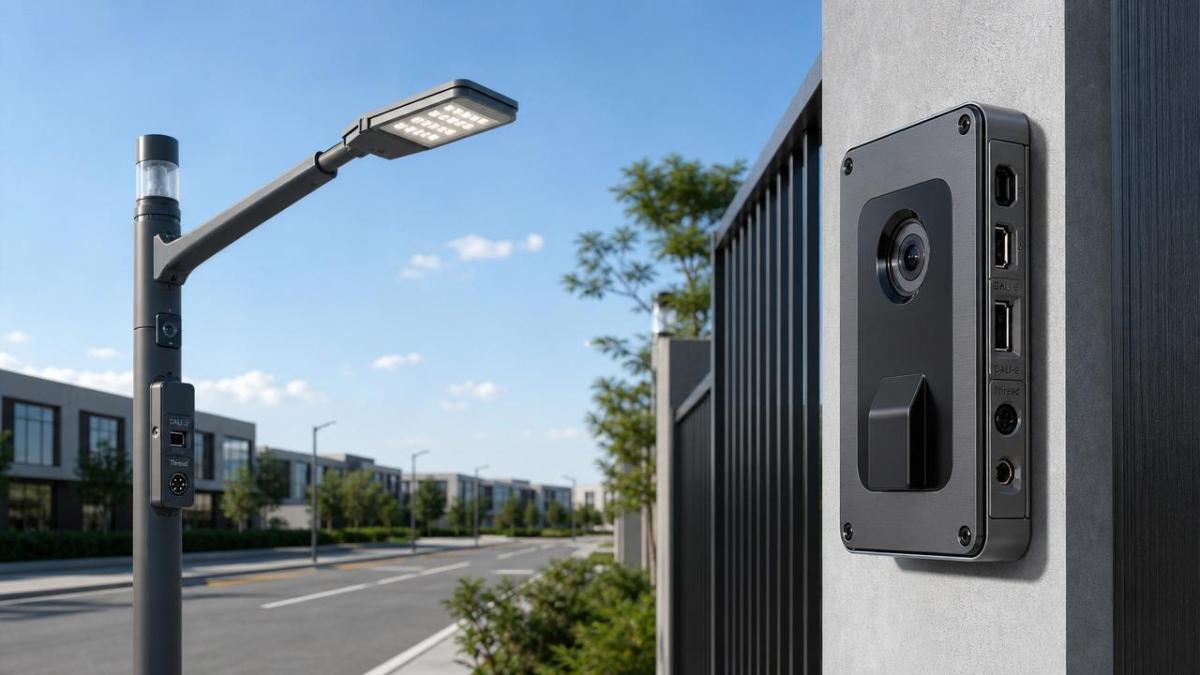
Huawei officially announced the open-source launch of the AgentArts framework on May 30, 2026. The framework natively supports DALI-2, Matter over Thread, and ISO/IEC 30118 for biometric template interchange. Its release is intended to reduce integration barriers between IoT-enabled smart streetlights and iris recognition-based access control devices.
Impact Across Industry Stakeholders
Direct Exporters and System Integrators
These stakeholders benefit immediately from streamlined technical bid alignment for European smart city tenders. Since the framework lowers interoperability requirements, certified vendors can accelerate system validation and reduce custom middleware development time—especially when responding to procurement specifications referencing DALI-2 or ISO/IEC 30118.
Manufacturers of Certified Lighting and Biometric Hardware
Companies holding EN 12668 (ultrasonic testing equipment) and IEC 62471 (photobiological safety) certifications gain a competitive edge. Their existing compliance posture becomes more relevant as AgentArts facilitates direct protocol-level integration—making their products easier to qualify in multi-vendor deployments without re-engineering interfaces.
Suppliers of Embedded Components and Connectivity Modules
Suppliers providing Thread radio modules, DALI-2 transceivers, or secure biometric processing units may see increased demand for components compatible with AgentArts’ reference implementation. Alignment with the framework’s API design could become an implicit expectation in OEM sourcing criteria.
Supply Chain Service Providers
Testing laboratories, certification consultants, and technical documentation agencies should anticipate new service requests related to AgentArts-based system validation—including conformance verification against ISO/IEC 30118 data packaging rules and Matter over Thread commissioning workflows.
Key Considerations and Strategic Actions for Enterprises
Review Certification Coverage Against New Integration Pathways
Vendors with EN 12668 or IEC 62471 certifications should assess whether their current test reports and declarations explicitly cover operational interoperability under AgentArts-defined profiles—not just standalone device compliance.
Prioritize Technical Tender Alignment for EU Smart City Bids
When preparing bids for European municipal projects, companies should map their product capabilities to AgentArts-supported protocols (e.g., DALI-2 dimming commands, Matter attribute reporting, ISO/IEC 30118-compliant iris template encoding) and highlight this alignment in technical proposals.
Evaluate Compatibility of Existing Firmware and Middleware Stacks
Manufacturers must verify whether current firmware versions support AgentArts’ runtime abstraction layer. Migration planning—including SDK adoption timelines and backward compatibility guarantees—should inform Q3 2026 procurement and R&D roadmaps.
Strengthen Documentation for Cross-Protocol Interoperability Claims
To support claims of seamless integration with both lighting and biometric subsystems, enterprises should prepare traceable interface documentation, conformance test logs, and security assertions aligned with the framework’s reference architecture.
Industry Observation: Standardization Acceleration vs. Implementation Readiness
Analysis shows that AgentArts does not introduce new regulations—but rather amplifies the practical enforceability of existing standards (DALI-2, Matter, ISO/IEC 30118) in real-world deployments. What deserves closer attention is the emerging gap between formal certification (e.g., IEC 62471) and functional interoperability assurance: passing photobiological safety tests does not guarantee seamless Thread-based commissioning in a multi-vendor streetlight network. From an industry perspective, the framework shifts emphasis from component-level compliance to system-level integration validation—a shift requiring updated internal test protocols and revised supplier qualification checklists.
Strategic Significance for Global Smart Infrastructure Markets
This initiative marks a tangible step toward reducing fragmentation in urban IoT ecosystems. While not a regulatory mandate, AgentArts functions as a de facto interoperability catalyst—particularly for Chinese vendors targeting EU public procurement. Its value lies not in replacing standards, but in lowering the engineering and verification overhead required to demonstrate adherence to them. A rational interpretation is that it compresses time-to-bid readiness, rather than altering fundamental compliance requirements.
Source Attribution and Verification Guidance
This article was generated exclusively from the provided input: title, event date (2026-05-30), and summary description. Specific official source links were not provided in the input and should be verified continuously. Stakeholders are advised to monitor Huawei’s official Developer Portal, the DALI Alliance, CSA Connectivity Standards Alliance, and CEN/CENELEC working group updates for implementation guidelines, conformance test suites, and any subsequent clarifications on certification pathways linked to AgentArts.
Recommended News