
Search News
Industry Portal
Hot Articles
How to Choose Chemical Resistant PPE for Solvents and Splash Hazards
Time
Click Count
How to Choose Chemical Resistant PPE for Solvents and Splash Hazards
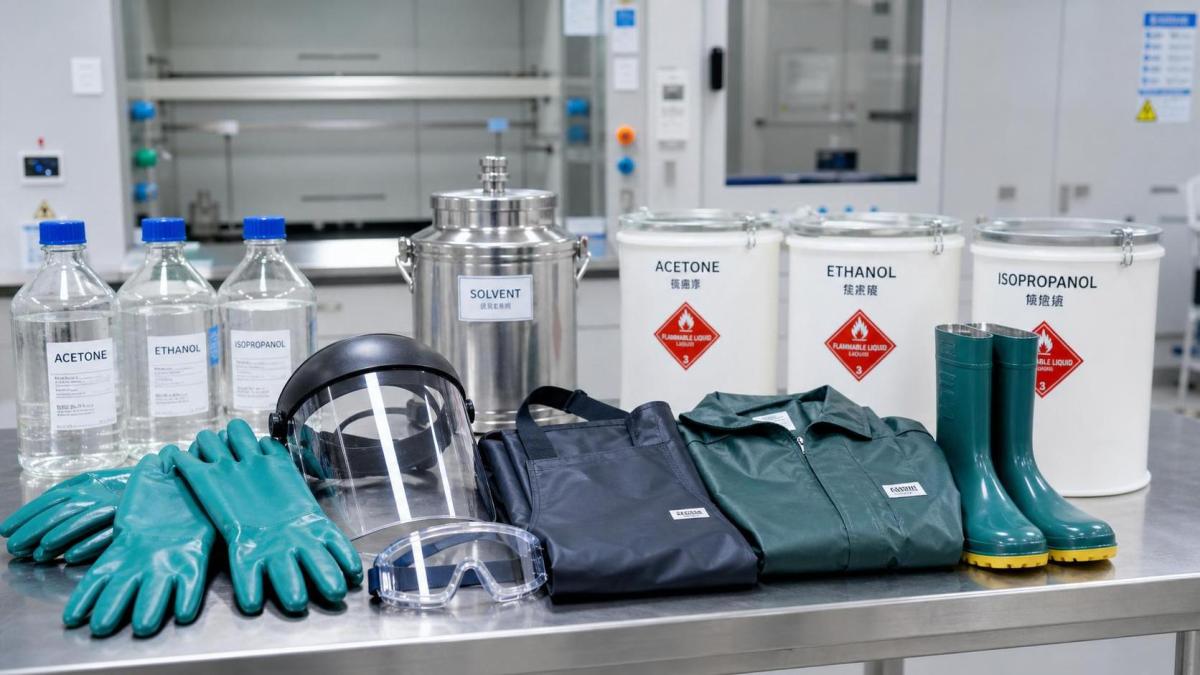
Choosing the right chemical resistant PPE is critical when workers face solvents, mists, and sudden splash hazards on the job.
The real issue goes beyond basic compliance.
Protection has to match the chemical, the exposure time, and the way the task is actually done.
That is where many selection decisions break down.
A glove that resists one solvent may fail quickly against another.
A face shield may stop splash, yet still leave gaps in eye sealing.
A suit may look robust, but lose performance after flexing, heat, or contamination.
For solvent handling, the best chemical resistant PPE comes from a structured selection process.
That process should compare hazard type, concentration, contact mode, and emergency response requirements.
When those factors are clear, PPE choices become easier to justify and easier to defend in audits.
Start with the Exposure Profile, Not the Product Catalog
The first step in choosing chemical resistant PPE is defining the exposure profile.
That sounds obvious, but it is often skipped.
Many teams begin with a preferred glove brand or a familiar coverall style.
In practice, the chemical should lead the decision.
Start by documenting these points:
- Chemical name and CAS number
- Concentration and temperature
- Liquid, mist, vapor, or mixed form
- Direct immersion, splash, wipe, or incidental contact
- Task duration and frequency
- Need for dexterity, grip, and visibility
This profile creates the baseline for every chemical resistant PPE decision.
It also reduces the risk of overprotecting one area while missing another.
For example, a solvent transfer task may need excellent glove resistance but only moderate body coverage.
A drum charging operation may require full splash protection for face, torso, and lower arms.
Understand the Difference Between Degradation, Permeation, and Breakthrough
This is one of the most important parts of chemical resistant PPE selection.
If these terms are blurred together, the selection can look correct on paper and still fail in use.
Degradation is visible damage.
The material may swell, harden, crack, soften, or lose strength.
Permeation is more subtle.
The chemical passes through the material at a molecular level, even when no damage is visible.
Breakthrough time is the measured point when permeation becomes detectable on the inside surface.
For solvent hazards, breakthrough time matters more than appearance.
A glove can still look usable while allowing chemical migration.
That is why manufacturer chemical resistance charts should be reviewed carefully.
Look for test conditions, not just color ratings or simple pass marks.
From a decision standpoint, chemical resistant PPE should provide enough margin beyond actual task duration.
Match Material Type to the Solvent Family
Different materials behave very differently against solvents.
There is no universal chemical resistant PPE material for every job.
That is especially true with aggressive cleaners, ketones, aromatics, and mixed formulations.
As a general guide:
- Nitrile often works well for oils and some solvents, but not all ketones.
- Neoprene can perform well against some acids and caustics.
- Butyl rubber is often chosen for ketones and ester exposure.
- Viton can offer strong resistance to many chlorinated and aromatic solvents.
- Laminated films can provide broad resistance, though dexterity may be limited.
This is where lab data and supplier guidance need to be cross-checked with task reality.
If workers need fine handling, a thick glove with excellent resistance may still create operational risk.
Dropped containers and poor grip can turn a minor hazard into a splash event.
Good chemical resistant PPE balances resistance with control.
Do Not Evaluate Gloves in Isolation
Gloves usually get the most attention, but splash hazards rarely stay limited to the hands.
A complete chemical resistant PPE review should cover the whole exposure path.
That includes eyes, face, torso, forearms, legs, and footwear interfaces.
For splash-heavy work, common combinations include:
- Chemical goggles for sealed eye protection
- Face shield for added splash coverage
- Chemical apron or suit based on body exposure
- Sleeve protection where forearm contact is likely
- Chemical resistant boots or boot covers when runoff is possible
The key question is where the liquid will travel after first contact.
That question often reveals weak points around cuffs, collars, and closure systems.
In actual operations, interface failure is a frequent cause of exposure.
Use Standards and Supplier Data, but Validate on the Job
Standards matter because they provide a common testing language.
For chemical resistant PPE, EN, ASTM, and ISO references can help compare products more consistently.
Still, test data should never be treated as the whole answer.
Laboratory conditions are controlled.
Actual work introduces bending, abrasion, heat, contamination, and rushed movement.
That is why wear trials are valuable.
A short field validation can reveal fogging, poor cuff overlap, tearing points, or unacceptable loss of dexterity.
In purchasing decisions, this practical layer is often what separates a compliant choice from a durable one.
Common Selection Mistakes That Increase Exposure Risk
Several mistakes appear again and again in chemical resistant PPE programs.
They usually come from incomplete hazard review rather than lack of effort.
- Choosing by thickness alone, without checking solvent compatibility
- Using one glove type for all chemicals in a mixed process area
- Ignoring temperature, which can change permeation behavior significantly
- Treating splash hazards as minor because contact time seems short
- Overlooking seams, closures, and glove-sleeve transitions
- Failing to define replacement intervals and disposal rules
A more reliable approach is to connect chemical resistant PPE selection with task-specific risk scenarios.
When teams evaluate how exposure actually happens, mistakes become easier to spot early.
A Practical Evaluation Matrix for Chemical Resistant PPE
A simple scoring matrix helps make procurement decisions more consistent.
It also creates a clear audit trail for why one option was selected over another.
This kind of framework keeps chemical resistant PPE decisions grounded in performance, not habit.
Build a Protection Strategy That Holds Up in Real Work
The strongest chemical resistant PPE program is never only about buying products.
It is about matching protection to the task, training workers on limits, and reviewing performance after use.
A practical rollout usually includes five actions:
- Map each solvent task by exposure route and severity.
- Compare material data against exact chemicals and concentrations.
- Test the selected chemical resistant PPE in realistic work conditions.
- Set replacement rules based on time, contamination, and damage signs.
- Review incidents, near misses, and worker feedback quarterly.
This also supports smarter sourcing decisions over time.
As solvent processes change, chemical resistant PPE should be revalidated instead of assumed to remain suitable.
That small discipline can prevent costly exposure events and weak audit outcomes.
In the end, the right choice is the one that performs under real splash risk, not just in a catalog description.
When chemical resistant PPE is selected with evidence, fit, and field validation, protection becomes more dependable and easier to manage.
Recommended News