
Search News
Industry Portal
Hot Articles
Vsblty Launches Four-Camera Edge AI Platform for Security Analytics
Time
Click Count
Vsblty has introduced a four-camera edge AI platform based on the Nvidia Jetson Orin NX processor, designed to run facial recognition, weapon detection, license plate detection and crowd analytics simultaneously without cloud processing. The platform targets security and defense networks, with the aim of supporting real-time threat detection and physical protection through local processing.
The central feature is the ability to bring several analytical functions together at the edge. For security operators, this could allow different types of activity to be assessed locally within the same deployment, reducing reliance on a remote processing step before detection results become available. That makes the platform relevant to applications where the time between identifying a potential threat and responding to it matters.
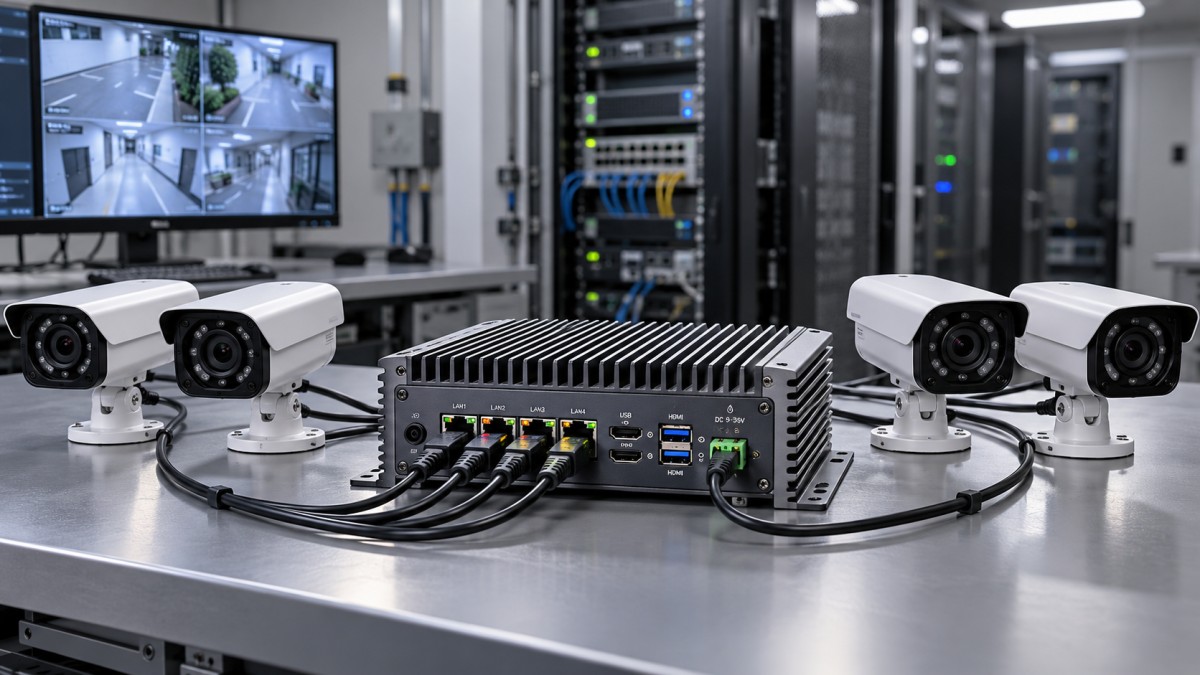
Running these workloads simultaneously also raises a practical evaluation question: how consistently can each function perform when all are active? Support for multiple software stacks establishes the platform’s intended scope, but operational suitability will depend on detection accuracy and response times under the conditions of a particular deployment. Four-camera support alone does not establish how much physical space a system can reliably monitor.
For organizations assessing the platform, local processing and security effectiveness are separate considerations. Avoiding cloud processing could reduce the need to transmit video elsewhere for analysis, but it does not by itself resolve questions about access to footage, storage or the handling of facial recognition data. Those choices would still need to be addressed in deployment.
The clearest implication of the launch is the consolidation of several security analytics functions on a local edge AI platform. Further technical disclosures and deployment results would help establish how that capability translates into reliable alerts, manageable operator workloads and effective integration with security response procedures.
Recommended News