
Search News
Industry Portal
Hot Articles
How to Choose Cut Resistant Protective Gear for Real Injury Risk
Time
Click Count
How to Choose Cut Resistant Protective Gear for Real Injury Risk
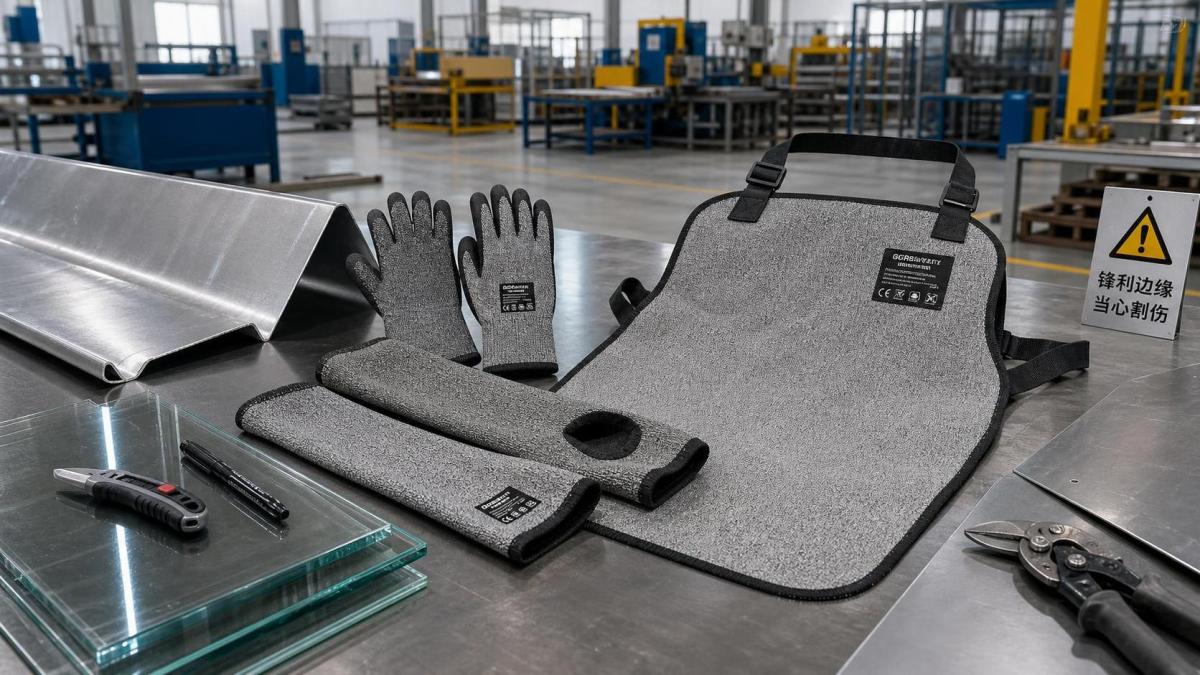
Choosing cut resistant protective gear should start with injury risk, not product marketing.
Sharp sheet metal, glass shards, utility blades, and rotating parts create very different exposure patterns.
That means the best cut resistant protective gear for one line may fail on another.
The practical goal is simple: match protection to real contact force, motion, frequency, and body area.
When selection is done well, injury rates fall without slowing handling speed or increasing fatigue.
When selection is rushed, teams often buy high-rated gear that workers avoid wearing.
This guide focuses on evaluation steps that hold up in audits and on the shop floor.
Start with the Actual Cut Hazard
Before comparing products, map how cuts actually happen in the operation.
A static sharp edge creates a different threat than a moving blade or powered tool.
Risk usually depends on five factors:
- Edge sharpness and material type
- Contact force and direction
- Exposure duration and repetition
- Worker posture and hand placement
- Secondary hazards like oil, heat, sparks, or impact
In practice, injury records often reveal more than a generic task description.
Look for near-misses, first-aid cases, and tasks where workers remove gloves to regain dexterity.
That behavior is a strong signal that the current cut resistant protective gear is mismatched.
Build a task-based hazard profile
Break operations into short task blocks instead of reviewing a full job title.
Receiving cut coils, trimming parts, clearing jams, and waste sorting rarely need identical protection.
This also prevents over-specifying gear for low-risk steps and under-protecting high-risk ones.
Understand What the Ratings Really Tell You
Not all cut ratings describe the same test method or the same failure mode.
That is where many buying decisions go off track.
For cut resistant protective gear, the common references are ANSI/ISEA 105 and EN 388.
Both are useful, but only when the test result matches the hazard you face.
ANSI and EN ratings in plain language
ANSI A1 to A9 generally reflects increasing resistance to cutting force.
EN 388 includes cut, abrasion, tear, puncture, and sometimes impact indicators.
A higher rating does not automatically mean better performance for every task.
For example, metal stamping may need a different glove build than glass handling.
From a compliance view, ratings are necessary. From an injury view, they are only the start.
Evaluate the Whole Wear System, Not Just Gloves
Many cut incidents happen outside the palm and finger zones.
Wrists, forearms, torso, and thighs can be exposed during lifting, sorting, or awkward reaches.
So the right cut resistant protective gear may include sleeves, aprons, guards, or cut resistant clothing.
Key selection points beyond the glove shell
- Cuff length that overlaps sleeves
- Forearm protection during reach or carry tasks
- Seam durability under repeated wash cycles
- Grip coating suited to oil, coolant, or moisture
- Compatibility with heat, arc, or chemical requirements
This matters even more in mixed-risk operations.
A glove with strong cut performance may fail quickly when exposed to hot burrs or solvent splash.
In real selection work, tradeoffs should be documented, tested, and signed off by operations.
Balance Protection with Dexterity, Comfort, and Wear Compliance
A product that workers remove is not effective cut resistant protective gear.
Comfort and movement control have direct safety value.
The best choices usually reduce hand fatigue while preserving tactile control on tools and parts.
What to test during a wear trial
- Pinch grip on small fasteners, blades, or connectors
- Wet and dry grip on the actual handled material
- Touchscreen or instrument use if required
- Heat buildup across a normal shift segment
- Ease of donning, doffing, and size consistency
One recent shift in the market is lighter engineered yarns with stronger dexterity.
That helps teams move beyond the old choice between protection and usability.
Still, no lab claim should replace a controlled field trial.
Check Durability, Laundering, and Total Cost
Purchase price alone can distort cut resistant protective gear decisions.
A cheaper glove that fails early may raise replacement frequency, downtime, and injury exposure.
A more expensive model may lower total cost if it lasts longer and stays wearable.
Ask suppliers for evidence, not broad claims
- Certified test reports and current standards references
- Expected service life by application type
- Performance after laundering or cleaning cycles
- Lot consistency and traceability details
- Size availability and replacement lead times
This is also where quality control teams should push harder.
Incoming inspection should verify labeling, size mix, construction quality, and documentation accuracy.
For high-volume sites, even minor inconsistency can undermine a well-designed PPE program.
Use a Decision Framework that Stands Up in Audits
A documented framework keeps cut resistant protective gear selection consistent across lines and facilities.
It also makes future reviews faster when tasks, materials, or injury patterns change.
A practical five-step review model
- Define the exact cut hazard by task and body area.
- Set the minimum rating and secondary protection needs.
- Shortlist products with valid test data and supply reliability.
- Run field trials with wear feedback and incident observation.
- Approve, train, inspect, and review performance quarterly.
This approach works especially well when procurement, EHS, and production share the same scorecard.
More importantly, it keeps selection tied to real injury prevention, not assumptions.
Final Selection Questions Before You Buy
Before final approval, ask a few direct questions.
- Does this cut resistant protective gear match the sharpest realistic exposure?
- Will workers keep it on through the full task cycle?
- Does it protect the overlooked zones where incidents actually happen?
- Can supply, sizing, and replacement be maintained without disruption?
- Is the decision supported by trial data, not just catalog language?
The strongest purchasing decision is usually the most grounded one.
Choose cut resistant protective gear by real hazard profile, actual wear behavior, and verified durability.
That is how protective equipment moves from compliance paperwork to reliable injury prevention.
Recommended News