
Search News
Industry Portal
Hot Articles
EU CE Rule Takes Effect for Iris/Vein Biometric Locks
Time
Click Count
On July 4, 2026, the European Commission put Regulation (EU) 2026/1189 into effect, making a new compliance condition for Iris/Vein Biometric Locks sold in the EU market. From that date, these products must include a local audit log module that is exportable and tamper-proof, with records covering each biometric capture time, device ID, operator permission level, and data encryption status. For manufacturers, exporters, importers, distributors, and procurement teams handling CE-marked access control products, this is worth close attention because the rule links product design directly to GDPR Article 32 security-processing obligations, while non-compliant goods may be detained by member-state customs and kept off the market.
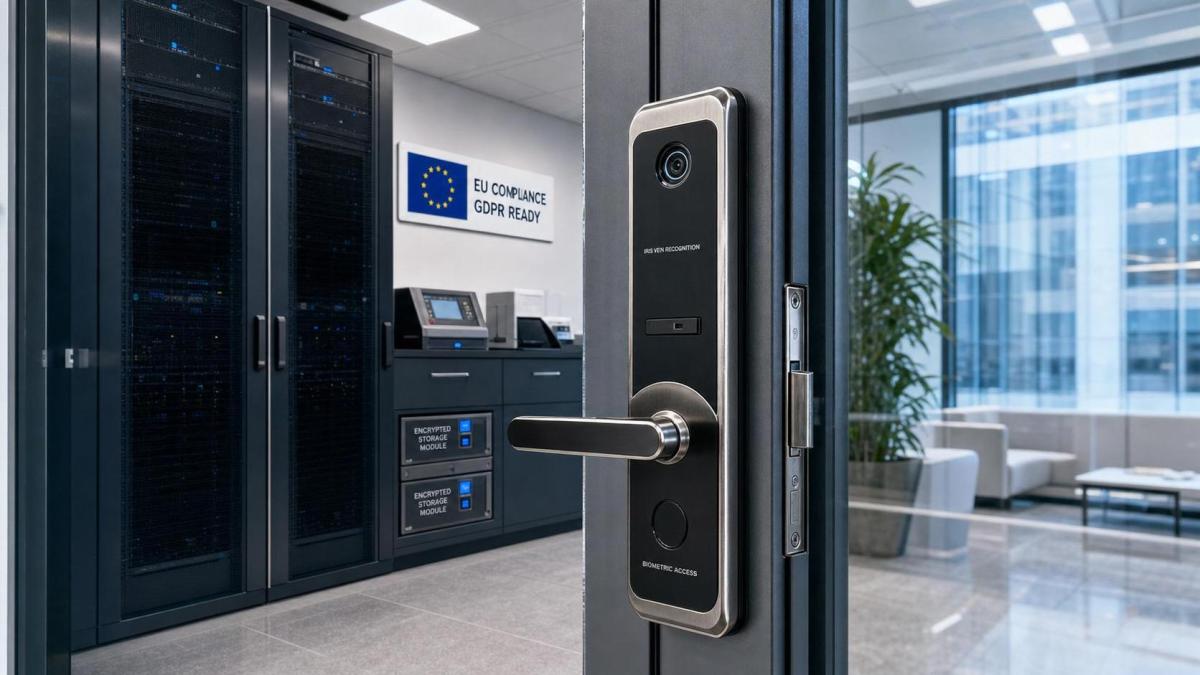
What the new requirement formally covers
The confirmed facts are clear. The European Commission formally implemented Regulation (EU) 2026/1189 on July 4, 2026. The rule applies to Iris/Vein Biometric Locks sold in the EU market. Under the regulation, the products must include a built-in local audit log module that can be exported and cannot be tampered with. The required log content includes the time of each biometric collection event, the device ID, the operator's permission level, and the status of data encryption. The stated purpose is to meet the GDPR Article 32 obligation relating to secure processing. Products that do not comply will be detained by customs authorities in EU member states and prohibited from being placed on the market.
Where the operational impact is likely to appear first
Product makers and system manufacturers
From an industry perspective, this group is likely to feel the most immediate pressure because the requirement is built into the product itself. The impact is not limited to labeling or documentation; it reaches hardware-software integration, local logging design, export functionality, and controls intended to prevent log tampering. What deserves closer attention is whether existing models already sold or prepared for shipment into the EU can meet the required logging fields and local module condition without redesign.
Exporters, importers, and channel operators serving the EU
Analysis shows that trade-facing businesses may be affected through customs clearance, market-entry timing, and delivery commitments. Since non-compliant products can be detained by member-state customs and blocked from sale, the practical exposure for these parties lies in shipment readiness, pre-sale verification, and document consistency. The immediate concern is whether product compliance claims are supported by actual product configuration rather than only by commercial declarations.
Procurement teams and end-use project buyers
Observably, buyers of biometric access control products in the EU market may need to adjust supplier screening and acceptance checks. The effect is likely to appear in tender specifications, purchase conditions, and project acceptance criteria, especially where biometric capture records and security controls must be demonstrated. What deserves closer attention is whether purchased products can generate the required local, exportable, and tamper-proof audit trail in practice.
Service and deployment partners
Installers, integrators, and after-sales service providers may also be affected because the rule touches how products are configured and evidenced in the field. Analysis shows that the risk here is less about broad market demand and more about deployment accountability: if a device enters the EU market without the required module behavior, service partners may face delays in installation, handover, or customer sign-off.
What businesses should review now
Check whether current models meet the exact logging elements
The required data points are specific: biometric collection time, device ID, operator permission level, and data encryption status. Businesses should compare these exact elements against current product functions and not assume that general event logging is sufficient. The distinction matters because the rule describes particular records rather than a broad logging concept.
Separate product capability from paperwork claims
Analysis shows that this regulation should not be treated as a documentation-only update. A CE-related market entry issue now turns on embedded functionality. Companies involved in supply, sales, and delivery should verify that internal compliance files, technical statements, customer communication, and the actual device behavior remain aligned.
Review shipments and delivery schedules tied to the EU market
Because the rule took effect on July 4, 2026, the timing issue is immediate rather than prospective. What deserves closer attention is any inventory, in-transit shipment, or near-term delivery plan involving Iris/Vein Biometric Locks for the EU market. The commercial risk in this case is tied directly to customs detention and inability to place non-compliant products on the market.
Prepare for closer customer and supplier communication
Observably, the rule creates a need for clearer communication across the supply chain. Buyers may ask suppliers to explain how the audit log module works, while suppliers may need updated confirmations from manufacturers before shipment. The practical focus should be on product configuration, exportability of logs, integrity protection of records, and how these points are evidenced during procurement or delivery discussions.
Why this reads as more than a narrow technical update
This section is analysis rather than confirmed fact. It is more appropriate to understand this as an operational compliance signal with immediate market-access consequences, not merely a technical refinement. The requirement connects biometric lock functionality to GDPR security-processing obligations in a concrete, inspectable way. Observably, the importance of the rule lies in how directly it links compliance to product architecture and customs enforcement. At the same time, it should still be treated as a development that merits continued observation, because market participants will need to watch how this requirement is interpreted in procurement, shipment review, and practical proof of compliance.
How to read the significance of this move
At this stage, the clearest takeaway is that the EU has made local, exportable, tamper-proof audit logging a market-entry condition for Iris/Vein Biometric Locks sold in the region. The immediate result is already defined in the rule: non-compliant products face customs detention and a sales ban in the EU market. From an industry perspective, the more cautious conclusion is that this is both a current compliance change and a longer-term signal that biometric security products may face more explicit evidence-based expectations around secure processing. That makes this development more appropriate to read as an active compliance requirement with broader regulatory meaning still worth monitoring.
Basis of this article and what still needs verification
This article is based on the user-provided news title, event date, and event summary. Information of this type is often cross-checked against official notices, company statements, industry association updates, authoritative media reporting, and standards-related documents. In this input, no specific official source link was provided, so the exact primary publication path still needs continued verification. Follow-up attention should remain on any further official wording, enforcement interpretation, and market-side implementation details related to Regulation (EU) 2026/1189 and its application to Iris/Vein Biometric Locks in the EU.
Recommended News