
Search News
Industry Portal
Hot Articles
How to Compare Biometric Door Access Systems Suppliers
Time
Click Count
How to Compare Biometric Door Access Systems Suppliers
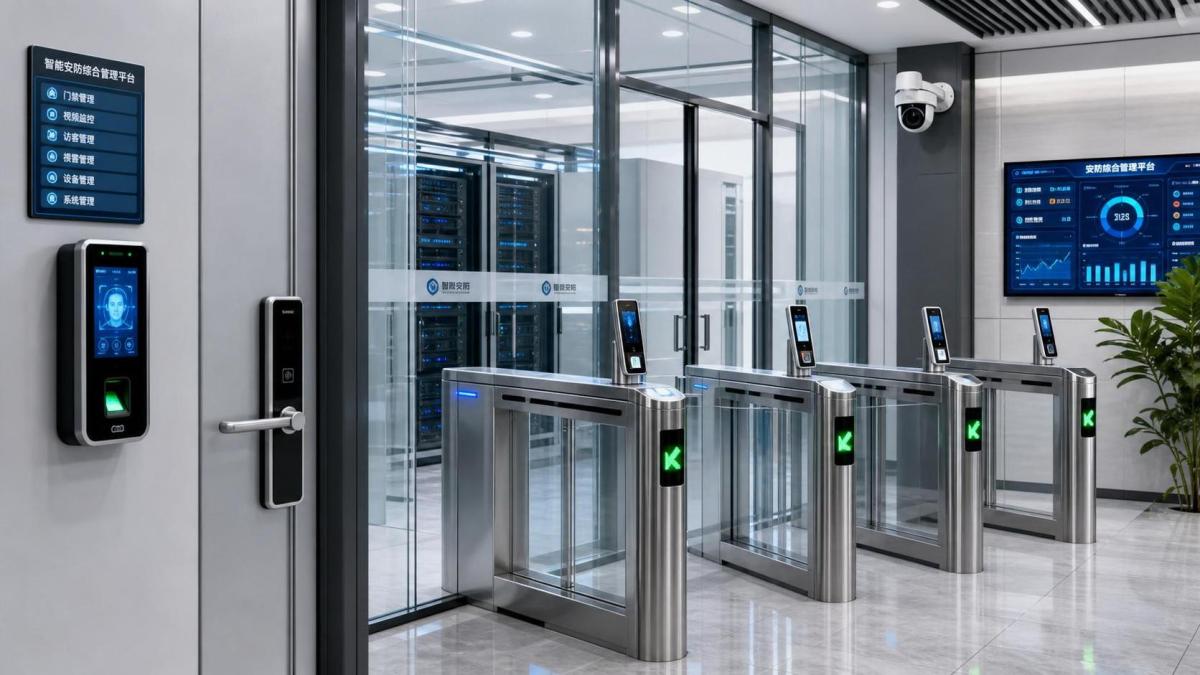
Choosing a biometric door access systems supplier affects security, compliance, cost, and future expansion. The wrong choice creates daily friction. The right one supports both protection and operational speed.
That is why supplier comparison should go far beyond a catalog review. A strong biometric door access systems supplier must prove performance, reliability, service depth, and integration readiness.
In practical procurement, many teams focus first on hardware appearance or price. That usually leads to weak evaluation. The real decision sits in risk control, data handling, and lifecycle support.
From recent market shifts, one signal is clear. Buyers now expect biometric door access systems suppliers to deliver not only devices, but also compliance guidance, software stability, and predictable supply.
Start with the Real Use Case
Before comparing suppliers, define the actual site conditions. A data center, office tower, factory, school, and logistics hub need very different access rules and environmental tolerance.
A capable biometric door access systems supplier should ask detailed questions early. If the supplier only pushes a standard package, that is usually a warning sign.
Clarify these points first:
- Number of doors, users, and locations
- Indoor or outdoor installation conditions
- Expected verification speed at peak traffic
- Need for face, fingerprint, iris, or multimodal authentication
- Existing systems that must integrate with access control
- Local legal requirements for biometric data processing
This step makes supplier comparison sharper. It also prevents attractive demos from distracting attention from the real operating environment.
Compare Biometric Accuracy and Speed Carefully
Biometric performance is the core of any supplier review. Yet many buyers still compare only headline claims, such as recognition in under one second.
That is not enough. A biometric door access systems supplier should provide test conditions, false acceptance rate, false rejection rate, spoof resistance, and performance under poor lighting.
Ask how the system handles masks, glasses, wet fingers, aging users, and high-traffic queues. These are not edge cases. In many sites, they are normal daily conditions.
It is also worth checking whether the biometric engine runs on the device, at the edge, or in the cloud. Each model changes latency, resilience, and privacy exposure.
A stronger biometric door access systems supplier usually offers pilot validation. That allows side-by-side testing before wider deployment, which is often the most reliable decision method.
Questions that reveal real performance
- What benchmark method supports the accuracy claim?
- How does recognition perform during rush periods?
- Can the system detect presentation attacks and fake credentials?
- What happens when the network connection fails?
- How often are algorithms updated, and how are updates validated?
Check Integration, Platform Flexibility, and Scalability
A biometric door access systems supplier should fit into the wider security architecture. In real projects, access control rarely operates as a standalone island.
The supplier should support integration with video surveillance, visitor management, time attendance, alarm systems, and building management platforms where needed.
Look for open APIs, standard protocols, and clear documentation. Closed platforms may look simple at first, but they often increase switching cost and future expansion difficulty.
Scalability matters just as much. A biometric door access systems supplier should explain how the solution grows from one site to many sites without causing major reconfiguration.
In actual business operations, expansion is often faster than expected. Mergers, new branches, or tenant changes can turn a small project into a regional one within months.
What to confirm during technical comparison
- API availability and integration support scope
- Compatibility with current controllers, readers, and locks
- Centralized user management across sites
- Role-based permissions and audit logs
- Remote firmware and software update capability
Audit Data Protection and Compliance Strength
This is where many decisions become risky. Biometric data is sensitive. A biometric door access systems supplier must show a mature approach to storage, encryption, consent, retention, and deletion.
Do not accept vague claims such as “GDPR-friendly” or “secure cloud.” Ask exactly where templates are stored, who can access them, and how cross-border data issues are handled.
A reliable biometric door access systems supplier should provide documentation on privacy architecture, breach response, access logging, and third-party security assessment.
Certifications also matter, but context matters more. ISO, CE, FCC, or other marks support credibility, yet they should not replace a deeper legal and operational review.
This also means involving compliance, IT, and legal teams early. Access control decisions made only by procurement often miss the biggest downstream liabilities.
Measure Service Quality and Supply Reliability
A biometric door access systems supplier is not just a product vendor. Over time, service quality often matters more than the original unit price.
Ask about deployment support, installer training, spare parts availability, warranty coverage, software maintenance, and incident response timing. Weak after-sales support can quickly erase any upfront savings.
Supply reliability deserves equal attention. Lead times, component sourcing, manufacturing consistency, and regional inventory all affect project execution and long-term continuity.
More importantly, check whether the biometric door access systems supplier has stable channel partners or direct support in your target markets. Distance can slow problem resolution.
A useful way to compare suppliers is to score them on service depth, not just promises. References from similar projects are especially valuable here.
Practical service checkpoints
- Average support response time
- Local technical assistance availability
- Replacement policy for failed devices
- Training materials for operators and administrators
- Product roadmap and end-of-life policy
Compare Total Cost, Not Just Purchase Price
A low quote can be misleading. The full cost of a biometric door access systems supplier includes hardware, software licenses, installation, integration, maintenance, upgrades, and support.
Also factor in downtime risk, user enrollment time, false rejection disruptions, and future expansion costs. These items rarely appear in the first proposal, but they shape the real return.
The best supplier is not always the cheapest. It is the biometric door access systems supplier that delivers stable security outcomes with manageable operating cost over years.
Build a Shortlist with a Weighted Scorecard
Once the comparison points are clear, use a weighted scorecard. This helps keep the decision objective when several biometric door access systems suppliers look similar on paper.
Assign weight based on business risk. For example, a regulated site may place more weight on compliance and audit logging than on enrollment speed.
Include technical, legal, operational, and commercial criteria. Then test the top suppliers through demos, reference checks, and a limited pilot if the project size justifies it.
This approach gives a more realistic view of which biometric door access systems supplier can support your environment, not just win a presentation.
Final Decision Guidance
When comparing a biometric door access systems supplier, focus on evidence, not only claims. Product specifications matter, but long-term fit matters more.
The strongest supplier usually combines reliable biometric performance, open integration, sound privacy controls, responsive service, and dependable delivery capacity.
If two options appear close, choose the biometric door access systems supplier that is clearer about risk, limitations, and support responsibility. Transparency is often a better predictor than polished sales language.
A disciplined comparison process leads to a better procurement outcome. It also helps ensure the access system stays secure, manageable, and scalable long after installation.
Recommended News