
Search News
Industry Portal
Hot Articles
Smart Lock for Sliding Door: Key Features to Check Before Installation
Time
Click Count
Why Sliding Door Smart Locks Deserve Closer Attention
A smart lock for sliding door solves a different problem than a standard front-door lock.
It must secure a moving panel, match a lighter frame, and still deliver convenient access every day.
That makes installation choices more critical than many buyers expect.
The right model is not only about app control or keyless entry.
It is about structural fit, reliable locking force, weather exposure, and long-term performance.
This matters even more as smart access moves from commercial buildings into homes, rentals, and mixed-use spaces.
At SHSS, smart access is viewed as part of a wider hardware system.
A lock only performs well when mechanics, electronics, fasteners, and environmental protection work together.
That perspective is useful when choosing any smart lock for sliding door before drilling, wiring, or committing to one platform.
A close look at core features now can prevent expensive corrections later.
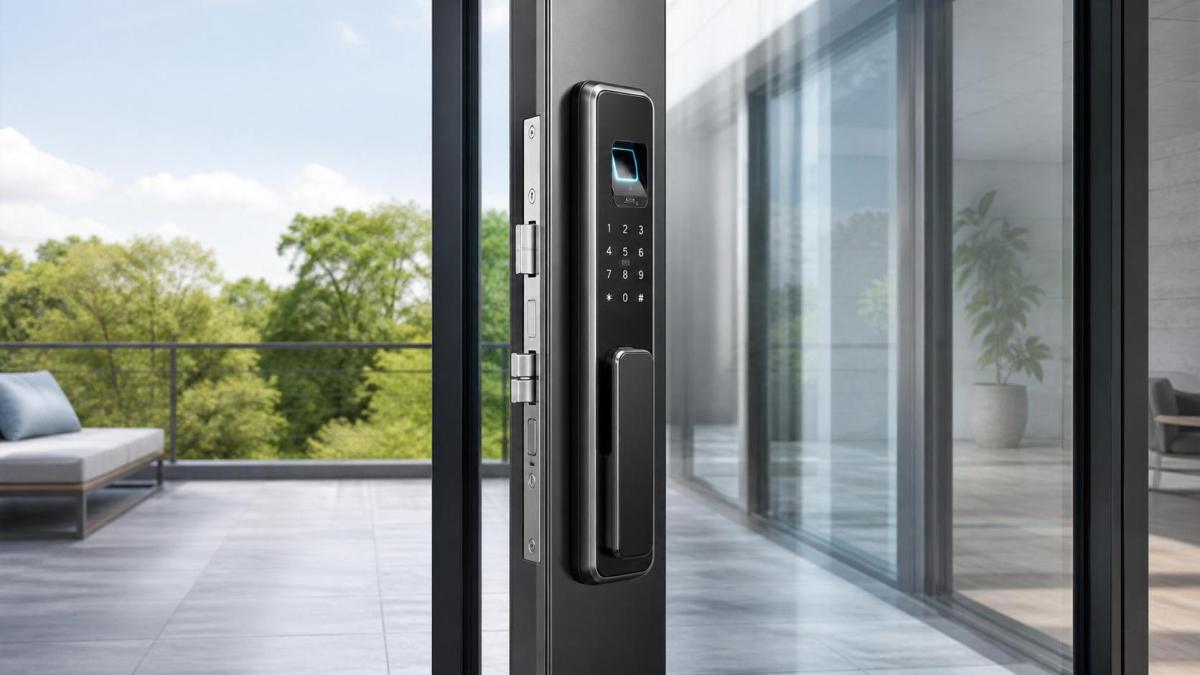
What Makes a Sliding Door Lock Different
Sliding doors create unique security and installation conditions.
Unlike hinged doors, they move laterally and often use narrow aluminum, vinyl, or composite frames.
Many also include large glass panels, which changes both attack risk and hardware balance.
A conventional deadbolt may not fit the profile or the locking geometry.
That is why a smart lock for sliding door usually relies on hook bolts, mortise mechanisms, or specialized latch systems.
These designs are made to pull the panel tight and resist forced separation.
In practical terms, the lock must do three things well.
- Fit the frame without weakening it.
- Hold the panel securely when closed.
- Maintain smooth daily operation despite dust, humidity, and repeated motion.
If one of these points is overlooked, the lock may be smart in theory but unreliable in use.
The First Check Is Door Compatibility
Before comparing brands, verify the door itself.
This is the most common point where selection mistakes begin.
Frame material and thickness
Measure the frame profile, panel thickness, and available interior clearance.
Slim metal frames may limit drilling depth or internal module placement.
Wood or reinforced composite doors usually offer more flexibility.
Locking direction and handing
Some systems are designed for left-sliding panels, others for right-sliding panels.
Reversible models are easier to work with, but the specification should still be checked carefully.
Single panel, double panel, or patio configuration
A patio entrance has different use patterns than an internal partition.
Traffic volume, exposure, and child safety needs can all affect lock choice.
A smart lock for sliding door that works well indoors may not suit an exterior opening.
Security Features That Matter More Than App Extras
Digital features attract attention, but mechanical security still carries most of the load.
That is especially true for glass-adjacent openings.
A smart lock for sliding door should also include strong internal mounting hardware.
SHSS often emphasizes this point across hardware categories.
Even advanced access control can underperform if weak screws, shallow anchors, or thin strike plates are used.
Choosing the Right Access Method
Convenience should match the way the door is actually used.
A side patio entry, balcony door, and rental unit do not need the same access setup.
PIN codes and mobile control
These remain the most practical options for many homes.
Temporary codes are useful for guests, cleaners, or short-stay access.
Remote unlocking helps when the sliding door is used as a secondary entrance.
Fingerprint access
Biometric entry is growing quickly in residential smart security.
It shortens access time and removes the problem of lost keys.
Still, sensor quality matters more than the feature label itself.
Look for fast recognition, wet-finger tolerance, and local data protection practices.
Backup access
Every smart lock for sliding door should have a fallback plan.
That may be a hidden keyway, emergency power contact, or offline admin code.
Without it, a low battery can become a real access problem.
Outdoor Exposure Changes the Buying Decision
Many sliding doors face gardens, decks, pools, or coastal air.
That environment can shorten lock life if sealing and corrosion protection are weak.
This is where hardware quality becomes visible over time.
- Check IP rating or weather-resistance claims.
- Prefer coated metal parts and corrosion-resistant fasteners.
- Review operating temperature limits for very hot or cold regions.
- Confirm whether the keypad and fingerprint sensor remain responsive in rain or condensation.
In broader smart hardware practice, durability is rarely one material choice alone.
It comes from the combined quality of seals, coatings, electronics, and fastening points.
Installation Quality Is Part of Security
A good lock can still fail through poor fitting.
Alignment is especially important on sliding systems because small errors affect both locking and movement.
Before installation, confirm these points:
- The keeper and bolt align without forcing the panel.
- The handle does not interfere with existing screens or trim.
- Drilling will not crack glass-adjacent sections or weaken slim frames.
- Battery access remains easy after full installation.
- The lock body does not obstruct smooth sliding.
For retrofit projects, compare the new footprint with existing holes and cutouts.
That can save finish damage and unnecessary filler work.
This is also where SHSS’s hardware perspective becomes relevant.
Proper fastening and stress distribution are not minor details.
They directly affect how securely the smart lock for sliding door performs under repeated use.
Where These Locks Add the Most Value
Not every opening needs smart control, but some locations benefit clearly.
These use cases show why the category is gaining attention across residential and light commercial settings.
The value is strongest where physical convenience and access control need to coexist.
How to Narrow the Choice Before You Install
A useful shortlist starts with the door, not the brand.
Measure first, then compare security design, access methods, and weather suitability.
After that, review battery management, software support, and replacement parts.
The best smart lock for sliding door is usually the one that balances mechanical fit with digital practicality.
That balance is what separates a smart upgrade from a recurring maintenance issue.
A clear next step is to build a simple comparison sheet.
List frame dimensions, opening direction, preferred access mode, exposure level, and backup entry needs.
Once those points are defined, installation decisions become faster, safer, and easier to defend over time.
Recommended News