
Search News
Industry Portal
Hot Articles
EU Rule Ties Smart Lighting Gateways to EN 62443-4-1
Time
Click Count
On August 8, 2026, a new EU compliance threshold took effect for imported smart street lighting products: any integrated IoT gateway must meet IEC/EN 62443-4-1 cybersecurity certification before the product can complete its CE conformity process and clear customs. This is immediately relevant to smart lighting system exporters, OEM module suppliers, cloud-connected solution providers, and buyers managing EU-bound delivery schedules, because the issue is no longer limited to technical design and now directly affects market access.
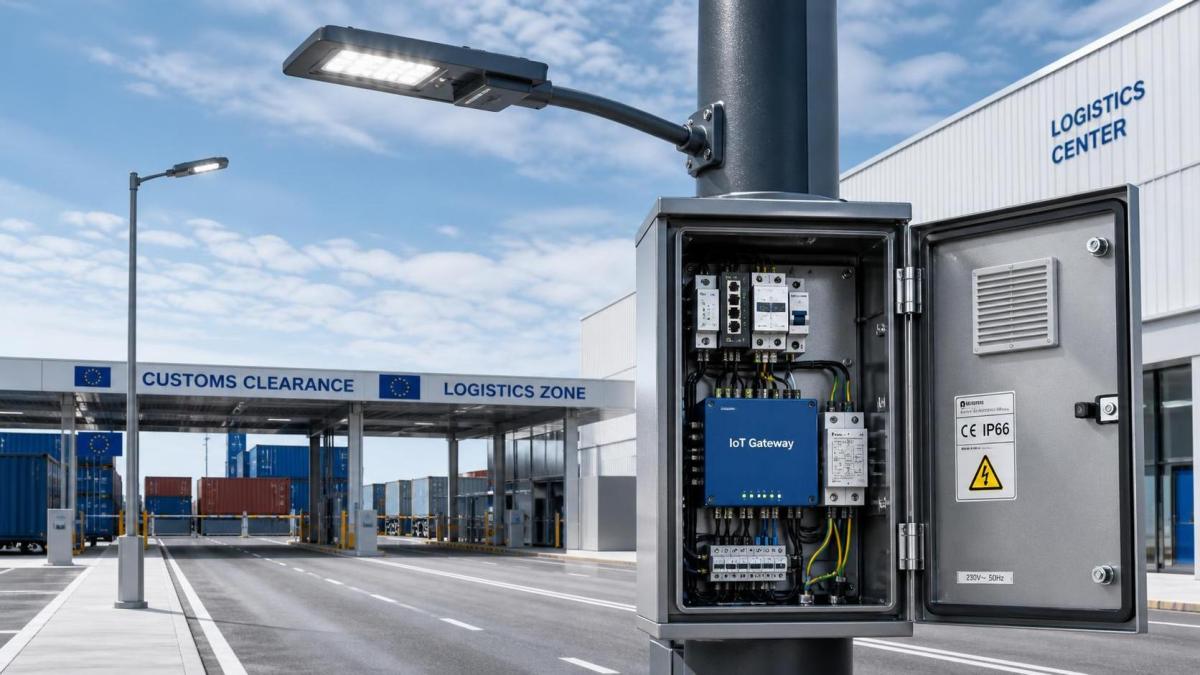
What the New Requirement Confirms
The confirmed requirement is straightforward. From August 8, 2026, the EU requires IoT gateways integrated into imported smart street lighting products to pass IEC/EN 62443-4-1 industrial cybersecurity certification. Without that certification, the related products cannot complete the CE declaration of conformity or obtain customs release.
The information provided also makes clear that the requirement affects Chinese manufacturers exporting complete smart lighting systems to the EU, as well as OEM modules and cloud platform access solutions linked to those systems. Products that do not obtain the required certification face risks including return of goods, fines, or exclusion from the market.
Where the Pressure Falls Across the Value Chain
Exporters of complete lighting systems face direct clearance risk
From an industry perspective, companies shipping finished smart street lighting systems into the EU are the most directly exposed. Their impact point is not only product configuration, but also the final compliance pathway tied to CE documentation and customs release. What deserves closer attention is whether gateway certification status is being treated as a shipment-critical condition rather than a secondary technical feature.
OEM module suppliers may face qualification pressure earlier in the sales cycle
For suppliers of OEM modules used in smart street lighting systems, the pressure likely appears earlier in customer qualification and project approval. If an integrated gateway does not meet the stated certification requirement, the downstream product may be blocked before entry into the EU market. Observably, this makes module selection, specification confirmation, and supporting compliance documents more sensitive in commercial negotiations.
Cloud access solution providers are pulled into hardware compliance conversations
The provided information specifically mentions cloud platform access solutions, which means service providers connected to these deployments may also be affected in practical terms. The main issue is not that cloud access itself has been separately redefined in the input, but that solutions relying on integrated gateways may now face tighter scrutiny in project delivery, documentation alignment, and customer acceptance.
EU buyers and delivery coordinators may focus more on shipment certainty
Procurement teams, project owners, and delivery coordinators on the buying side may also feel the effect through schedule risk and supplier screening. If a product cannot complete conformity procedures or clear customs, the business impact shifts quickly from technical compliance to delivery disruption. For that reason, supplier declarations and certification readiness may become a more active checkpoint in purchasing and project planning.
What Companies Should Review Now
Check whether the gateway is being treated as a standalone compliance bottleneck
The immediate practical issue is whether the IoT gateway inside a smart street lighting product has already been mapped as a certification-critical component for EU shipments. Companies involved in product assembly, export, or project delivery should pay attention to whether internal documentation, product bills, and customer-facing compliance materials clearly reflect that status.
Reconfirm document readiness for CE-related submission and customs handling
Because the stated consequence includes failure to complete CE conformity declaration and customs release, document readiness becomes an operational issue, not only a regulatory one. This includes reviewing whether the certification status of the gateway is aligned with shipment files, contract deliverables, and any information passed to importers or customers.
Review supplier qualification and delivery timing assumptions
For manufacturers relying on external modules or integrated gateway partners, a key concern is whether supplier qualification assumptions still hold under the new requirement. Analysis shows that companies should pay closer attention to lead times, supporting materials, and any mismatch between sales commitments and certification availability, especially for products already positioned for the EU market.
Separate confirmed rules from points that still need monitoring
The confirmed fact is the certification requirement tied to market entry. What still requires ongoing attention is how official wording, implementation detail, and business-side interpretation may develop in day-to-day execution. Companies should avoid treating customer expectations, internal assumptions, and formal compliance requirements as interchangeable until each point is clearly verified in practice.
Why This Looks Larger Than a Routine Compliance Update
Analysis shows that this development is more than a narrow documentation change because it links cybersecurity certification directly to customs release and CE conformity for a defined smart infrastructure product category. That changes the practical weight of gateway compliance in export decision-making.
It is more appropriate to understand this as an already effective regulatory result with longer-term signaling value, rather than as a speculative policy direction. At the same time, it still merits continued observation because the operational impact will depend on how manufacturers, suppliers, buyers, and service partners adjust their qualification, contracting, and delivery processes around the rule.
How the Market May Read This Now
The most balanced reading is that the EU requirement has created an immediate compliance gate for smart street lighting products using integrated IoT gateways, while also sending a broader signal about how cybersecurity conditions can shape market access in connected infrastructure. For companies active in EU-bound smart lighting business, this is best understood as a present operational requirement with wider strategic implications that should continue to be tracked carefully.
Basis of This Article and What Still Needs Verification
This article is based on the user-provided news title, event date, and event summary. In coverage of this kind, commonly relevant source types may include official notices, company disclosures, industry association updates, authoritative media reporting, and standard-related documentation. A specific official source link was not provided in the input, so continued verification remains necessary.
What deserves closer attention going forward is whether additional official wording, implementation guidance, or related compliance interpretation becomes available for smart street lighting systems, OEM modules, and cloud-connected delivery arrangements serving the EU market.
Recommended News