
Search News
Industry Portal
Hot Articles
Smart Door Lock Security: What Matters Beyond Fingerprint Access
Time
Click Count
A smart door lock can make daily access faster, cleaner, and more convenient, but real security reaches far beyond fingerprint entry.
The decisive factors are mechanical resistance, encrypted identity handling, emergency power, safe networking, and reliable fallback access.
As homes, offices, rental units, and smart buildings become more connected, a smart door lock becomes a physical cybersecurity endpoint.
Choosing one well means balancing convenience with durability, privacy, compliance, and long-term operational stability.
Smart Door Lock Security Beyond Fingerprint Convenience
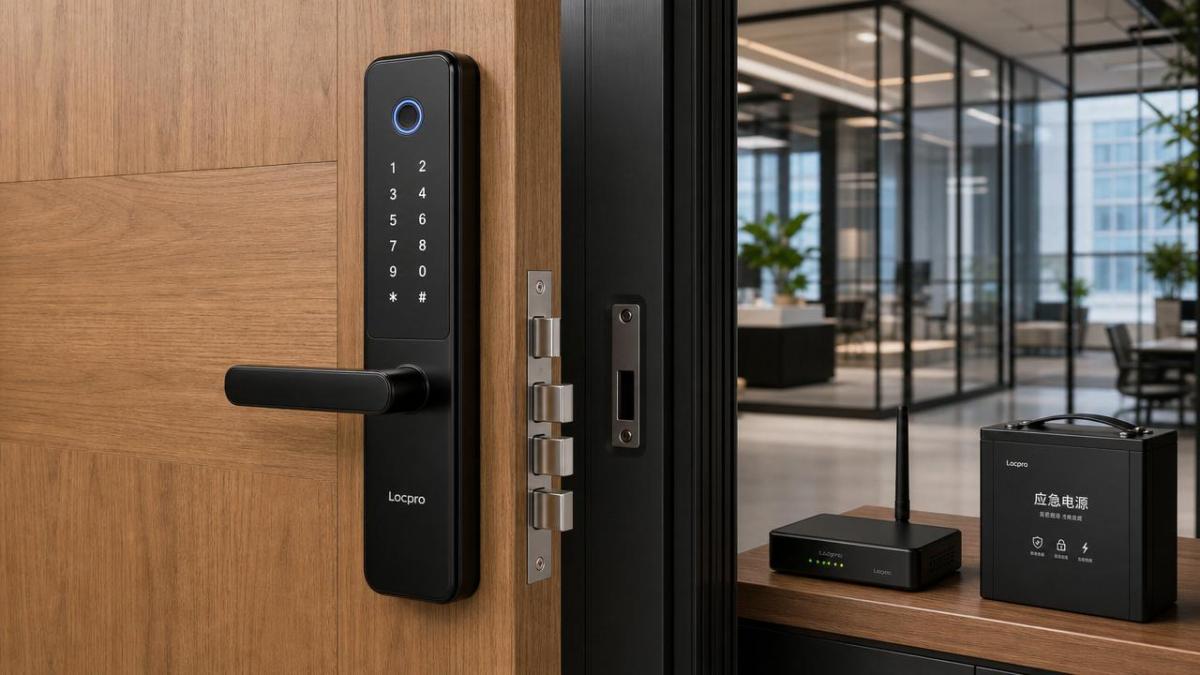
Fingerprint access is attractive because it feels personal, fast, and keyless. Yet it is only one layer in a complete access system.
A dependable smart door lock must defend against forced entry, digital intrusion, power loss, environmental stress, and user mistakes.
The strongest products combine a solid lock body, hardened bolts, protected sensors, tamper alarms, and secure firmware architecture.
A smart door lock should also store sensitive data responsibly. Biometric templates require stronger protection than simple passcodes.
Security begins when digital recognition and mechanical restraint reinforce each other, rather than competing for attention.
Core Definition and Security Boundaries
A smart door lock is an electromechanical locking device controlled by credentials, software logic, and physical locking components.
Common credentials include fingerprint, PIN code, mobile app, NFC card, temporary password, face recognition, or mechanical backup key.
The device may connect through Bluetooth, Wi-Fi, Zigbee, Z-Wave, Matter, or a dedicated gateway.
Its security boundary includes the door structure, strike plate, lock cylinder, battery system, cloud service, and mobile application.
This broader view matters because a smart door lock can fail through many routes unrelated to fingerprint accuracy.
- A weak bolt can bend under leverage.
- Poor encryption can expose access credentials.
- Unreliable batteries can block entry.
- Cloud dependency can create outage risk.
- Bad installation can defeat strong hardware.
For that reason, smart door lock evaluation should always cover both physical and digital attack surfaces.
Industry Signals Shaping Smart Access Decisions
Smart access is moving from novelty hardware to critical infrastructure for homes, rental operations, logistics spaces, and commercial buildings.
This shift changes expectations. A smart door lock must now support convenience, auditability, privacy, and resilience at the same time.
The best smart door lock design recognizes that convenience creates new responsibilities.
Access logs, remote unlock commands, and shared credentials must be protected with the same seriousness as physical keys.
Regulation is also becoming more relevant. Biometric collection can trigger privacy obligations in many jurisdictions.
Clear consent, minimal data collection, and transparent retention policies are increasingly important for any smart door lock ecosystem.
Mechanical Strength Still Determines First-Line Defense
A smart door lock must remain a lock before it becomes an electronic device.
The lock body, deadbolt, latch, cylinder protection, and strike plate decide how well it resists brute force.
Look for hardened steel bolts, anti-pry structures, anti-drill shields, and reinforced mounting hardware.
A premium sensor cannot compensate for a weak door frame or a shallow strike plate.
Installation quality is equally important. Misalignment can increase motor load, drain batteries, and weaken locking engagement.
- Check deadbolt throw depth after installation.
- Use long screws on the strike plate.
- Confirm smooth locking without door pressure.
- Inspect weather seals for friction.
- Test manual override before daily use.
A strong smart door lock should close confidently, lock fully, and detect abnormal movement before forced entry escalates.
Biometric Data Protection and Authentication Quality
Fingerprint recognition is useful only when matching accuracy and data protection are both credible.
A secure smart door lock should store biometric templates locally whenever possible, not raw fingerprint images.
Templates should be encrypted, isolated from app data, and protected against extraction through debugging ports.
Better systems include liveness detection, anti-spoof algorithms, and false acceptance controls for wet or worn fingers.
Speed alone is not enough. A smart door lock must reject forged fingerprints without creating frequent false rejections.
Multi-factor options improve resilience. Fingerprint plus PIN, app approval, or time-based permissions can reduce risk.
Deletion matters too. Removed users should lose all credentials immediately, including fingerprints, cards, codes, and mobile permissions.
Connectivity, Encryption, and Firmware Discipline
Networked access expands convenience, but it also expands exposure.
A connected smart door lock should use modern encryption for communication between lock, app, gateway, and cloud.
Avoid products that rely on default passwords, unclear cloud routing, or unverified third-party servers.
Firmware updates are essential because vulnerabilities may appear after installation.
The update process should be signed, authenticated, and resistant to rollback attacks.
Local control is valuable. A smart door lock should still function when the internet is unavailable.
Remote unlocking should require strong account security, device binding, login alerts, and optional two-factor authentication.
- Change default administrator credentials immediately.
- Separate smart home devices on a guest network.
- Disable unused unlocking methods.
- Review app permissions regularly.
- Install firmware updates from trusted channels.
Power Reliability and Emergency Access
Battery performance is a practical security issue, not merely a convenience detail.
A smart door lock should provide early low-battery alerts through sound, app notifications, or indicator lights.
It should also support emergency power through a USB-C port, 9V terminal, or similar temporary supply.
Mechanical backup access remains important, especially for exterior doors and fire safety scenarios.
However, the backup keyway should be protected against picking, drilling, and unauthorized duplication.
Cold weather, motor strain, and high traffic can shorten battery life.
Regular battery replacement schedules are safer than waiting for the final warning.
Typical Use Scenarios and Evaluation Priorities
Different settings need different balances between identity control, durability, privacy, and management efficiency.
A smart door lock for a quiet home may not suit a busy shared workspace.
Traffic frequency, user turnover, door exposure, and privacy requirements should guide final selection.
Practical Checklist Before Installation
A disciplined selection process prevents many later problems.
Before buying a smart door lock, verify the following points with product documentation and real installation conditions.
- Confirm door thickness, backset, handing, and frame strength.
- Check mechanical grade, deadbolt material, and anti-tamper design.
- Review biometric storage method and deletion controls.
- Verify encryption claims and firmware update policy.
- Test backup access and emergency power before relying on the lock.
- Limit administrator accounts and remove unused credentials.
- Document battery replacement intervals and inspection dates.
After installation, test every unlocking method under normal and abnormal conditions.
A smart door lock should be evaluated with the door pulled, pushed, slightly misaligned, and fully closed.
This reveals friction, incomplete bolt travel, weak alerts, and inconsistent recognition before they become security failures.
Long-Term Value of a Well-Chosen Lock
The value of a smart door lock is not limited to keyless entry.
It can reduce lost-key risk, simplify credential changes, improve accountability, and support safer access routines.
For connected buildings, it can also integrate with lighting, alarms, cameras, and occupancy systems.
Still, integration should never weaken the lock’s local security foundation.
The strongest approach keeps critical unlocking logic resilient, encrypted, and available without unnecessary cloud dependence.
A reliable smart door lock therefore acts as both a digital gatekeeper and a physical anchor.
Next Steps for Safer Smart Access
Start with the door, frame, and threat level before comparing apps or recognition speed.
Then shortlist products that prove mechanical strength, privacy protection, update reliability, and emergency access.
When possible, prefer a smart door lock with transparent security documentation and configurable access permissions.
Avoid choosing only by appearance, discount price, or a single fingerprint feature.
A secure smart door lock should make entry easier while making intrusion, misuse, and data exposure harder.
Before trusting one with a front door, test it as hardware, software, and safety equipment together.
That complete view turns smart access from a convenient gadget into a dependable layer of modern physical security.
Recommended News