
Search News
Industry Portal
Hot Articles
Brazil Tightens INMETRO Rules for Respirators
Time
Click Count
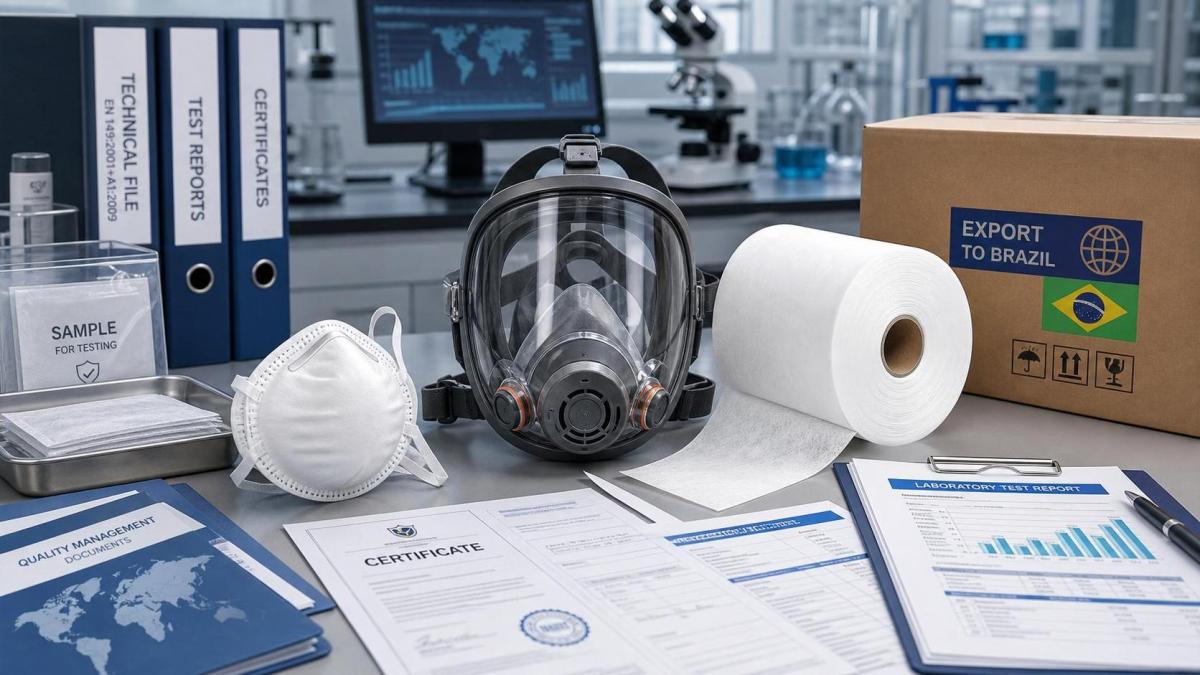
On July 2, 2026, Brazil’s INMETRO introduced an immediate change to certification filings for respirators and gas masks. For import applications involving nano-scale melt-blown or electrospun filter media, an additional ISO 18184:2023 antiviral activity test report is now required. For PPE exporters, importers, testing partners, and procurement teams serving the Latin American market, this is worth close attention because it affects certification readiness, document completeness, delivery timing, and compliance cost at the point of market entry.
A New Filing Requirement Took Effect Immediately
According to the provided information, INMETRO issued Ordinance No. 198/2026 on July 2, 2026. The measure applies to importers declaring respiratory protective products.
Where nano-scale melt-blown or electrospun filter materials are used, applicants must additionally submit an antiviral activity test report prepared under ISO 18184:2023. The required report must include H1N1 and a SARS-CoV-2 surrogate strain.
The rule took effect on the same day it was released, with no transition period. The provided summary states that this directly affects the supply pace and certification cost of Chinese PPE exporters serving the Latin American market.
Where the Pressure Is Likely to Appear First
Export shipments may face a tighter document gate
From an industry perspective, exporters of respirators and gas masks are likely to feel the impact first where certification files are prepared and handed over for import declaration. If a product uses nano-scale melt-blown or electrospun filter media, the issue is no longer limited to product design or material selection; it extends to whether the supporting report package is complete before shipment or market filing proceeds.
What deserves closer attention is the link between technical documentation and shipment scheduling. A product that previously moved forward under an existing file set may now require an extra testing document, which can affect release sequencing, customer commitments, and document review cycles.
Material sourcing and product configuration now matter more in compliance review
For manufacturers and sourcing teams, the rule change puts greater weight on how filter media are specified and documented. Analysis shows that businesses using nano-scale melt-blown or electrospun media will need to pay closer attention to whether those materials are clearly identified in technical files and whether the related antiviral report can be matched to the product submitted for certification.
This means procurement and engineering teams may need to review not only supplier claims, but also the traceability of filter-media specifications in compliance documents, especially when multiple material versions are used across similar product lines.
Certification and testing service providers may see more urgent file updates
Certification support firms and testing service providers are also likely to be affected because the new requirement applies immediately. Observably, requests may shift from routine filing support to urgent document-gap checks, report alignment, and product-by-product confirmation of whether the additional ISO 18184:2023 evidence is needed.
The practical issue here is less about abstract regulatory change and more about execution readiness: whether testing documents, certification submissions, and importer-side filing materials remain consistent under the new rule.
Buyers and channel partners may need to revisit delivery assumptions
For buyers, distributors, and downstream channel partners, the main concern is not the wording of the ordinance itself but the possibility of changed lead times and compliance prerequisites. Analysis shows that products using the specified nanofiber filter approaches may require extra review before procurement plans or replenishment schedules can be confirmed.
That makes it important to check whether suppliers have already identified the affected models and whether the supporting certification documents are being updated in line with the new requirement.
What Companies Should Check Now
Screen affected SKUs against filter-media specifications
It is more appropriate to understand the first task as a product-screening exercise. Companies should identify which respirators or gas masks use nano-scale melt-blown or electrospun filter materials and separate those models from products that may not trigger the added reporting requirement.
Recheck certification files and technical document completeness
Analysis shows that the immediate compliance risk lies in incomplete filing packages. Importers, exporters, and certification teams should review whether current application files already contain the required ISO 18184:2023 antiviral activity report for the affected products, and whether the report clearly corresponds to the submitted material and product configuration.
Review shipment and procurement timing with no transition period
Because the rule became effective immediately, current orders and near-term deliveries deserve closer attention. Observably, teams involved in export scheduling, customer delivery, and procurement planning should reassess whether any pending supply depends on certifications or import filings that may now require additional documentation.
Continue tracking execution language and market feedback
The provided information confirms the new requirement and its immediate effect, but it does not provide further operational detail on implementation practice. For that reason, companies should keep watching for later official wording, certification interpretation, tender-document updates, and feedback from market participants involved in filing and customs-related preparation.
How This Change Should Be Read at This Stage
Analysis shows that this is better understood as an already effective compliance change rather than a distant policy signal. The absence of a transition period means the market does not have the buffer that often allows existing projects to adjust gradually.
At the same time, it would be premature to turn that into a broader conclusion beyond the facts provided. What deserves closer attention is how consistently the requirement is reflected in certification workflows, document review expectations, and commercial timelines tied to affected PPE products.
A Clearer Compliance Signal for Market Entry
In practical terms, this development matters because it connects material choice directly to an additional certification document requirement in Brazil’s respirator and gas mask filing process. For companies supplying into Latin America, the immediate question is not only whether products meet technical expectations, but whether supporting evidence is already in place for the relevant filter-media design.
It is more appropriate to understand this update as a landed rule change with near-term operational consequences, while still recognizing that the detailed execution path will need continued observation through certification practice and market response.
Basis of This Article
This article is based on the user-provided news title, event date, and event summary concerning INMETRO’s July 2, 2026 update to certification requirements for respirators and gas masks.
For developments of this kind, relevant source categories typically include official regulatory notices, publications from supervisory authorities, customs or trade administration information, industry association updates, standard-setting organization documents, and reporting from authoritative trade media.
A specific official source link was not provided in the input, so the exact original publication path still requires follow-up verification. Further observation is also needed on detailed implementation language, certification interpretation, tender-document changes, industry feedback, and how companies are executing against the requirement in practice.
Recommended News