
Search News
Industry Portal
Hot Articles
MHRA and FDA Open Joint AI Review Path for Smart Respirators
Time
Click Count
On June 15, 2026, the UK MHRA and the US FDA announced a joint review pilot for AI-enabled respiratory protective devices, including respirators and gas masks with integrated gas sensing and health-status alert functions. For manufacturers, exporters, compliance teams, and procurement-facing businesses in higher-end PPE, the development is worth close attention because it points to a more coordinated approval route across two key markets and may shorten the certification timeline for qualified smart modules.
What the pilot officially includes
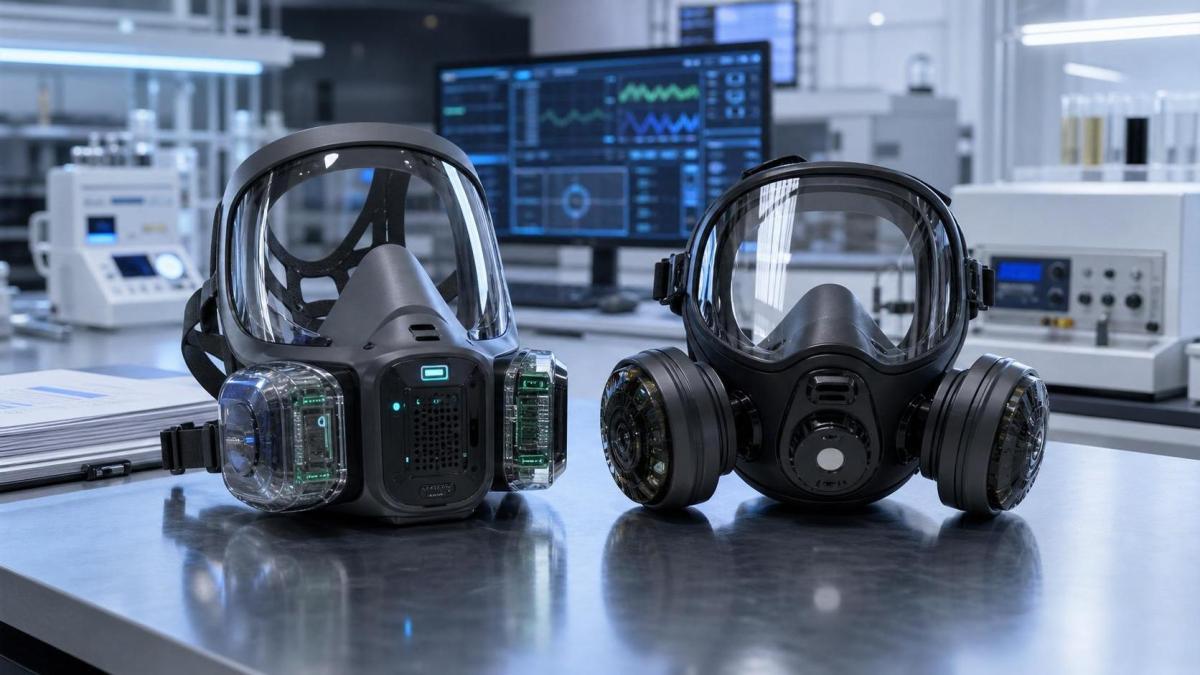
According to the information provided, the pilot applies to AI-driven respiratory protection devices such as respirators and gas masks equipped with intelligent monitoring functions. Smart modules that align with ISO/IEC 42001 and the FDA AI/ML-Based SaMD framework may enter a process that includes synchronized technical document assessment in both countries, shared use of clinical validation data, and completion of dual 510(k) and UKCA certification within six months. The stated practical effect is a shorter export cycle for advanced PPE products.
Where the immediate impact may be felt
Cross-border product teams may see compliance work reorganized
From an industry perspective, businesses developing smart respiratory protection for the UK and US markets may be affected first at the regulatory documentation stage. If technical files can be assessed in parallel and clinical validation data can be shared across the two pathways, regulatory, quality, and market access teams will need to pay closer attention to how evidence is prepared for dual use rather than for separate submissions.
Manufacturing and integration decisions become more certification-sensitive
For processing and manufacturing businesses, the impact is likely to center on which device functions are embedded into the product and how the smart module is defined. Because the fast-review route is tied to alignment with ISO/IEC 42001 and the FDA AI/ML-Based SaMD framework, product architecture, documentation readiness, and validation planning may become more important in deciding whether a model is commercially viable for export.
Export and channel operators may need to adjust delivery expectations
Direct trade companies, distributors, and supply chain service providers may feel the effect in delivery planning and customer communication. Analysis shows that a shorter dual-certification window could influence launch sequencing, contract timing, and market-entry discussions for higher-end PPE, but the actual benefit will still depend on whether a given product truly qualifies under the pilot conditions.
Procurement-side users may pay more attention to proof of qualification
For buyers and end-use organizations evaluating smart respirators or gas masks, the key issue is less the headline speed and more the documentary basis behind it. What deserves closer attention is whether suppliers can clearly demonstrate conformity with the stated standards and frameworks, and whether their validation materials are prepared for both regulatory environments.
What companies should watch now
Track how official wording develops
Companies should distinguish between the announcement of a joint pilot and the operational details that determine actual eligibility. Observably, the commercial value of the announcement will depend on how regulators describe scope, submission expectations, and evidence handling in subsequent official communications.
Review whether current modules fit the stated frameworks
For developers of smart monitoring functions in respirators and gas masks, a practical checkpoint is whether existing systems and documentation align with ISO/IEC 42001 and the FDA AI/ML-Based SaMD framework. This is not just a certification issue; it affects how teams organize validation materials, risk communication, and internal approval timelines.
Prepare customer-facing certification communication carefully
Sales, export, and account teams should avoid treating the six-month pathway as an automatic outcome. Analysis shows that the more prudent approach is to communicate it as a possible accelerated route for qualified modules, while keeping room for product-specific review conditions and documentation requests.
Coordinate supply and delivery plans with compliance readiness
Businesses involved in sourcing, assembly, and shipment should keep compliance milestones linked to delivery promises. If a product is being positioned for the UK and US simultaneously, supplier qualification files, supporting documents, and client updates may need to be prepared with dual-market use in mind.
Why this looks like a regulatory signal, not a finished market outcome
As an editorial observation, this development is more appropriate to understand as a structured regulatory signal than as a completed market shift. It indicates that AI-enabled respiratory protection is being assessed through a more coordinated lens in two major jurisdictions, but it does not by itself confirm broad eligibility, uniform implementation, or immediate commercial acceleration for all smart PPE products. That is why the industry still needs to watch how the pilot is applied in practice.
How to read the development at this stage
At this stage, the announcement matters because it links AI governance, clinical validation, and market access more directly in the respirators and gas masks segment. A neutral reading is that the pilot may improve efficiency for qualified products, especially where dual-market approval is a core business objective. It is more appropriate to understand this as an important near-term policy and compliance development with possible longer-term implications, rather than as a guaranteed change in export results for the whole sector.
Basis of this article and what still needs verification
This article is based on the user-provided news title, event date, and event summary. For developments of this type, commonly relevant source categories may include official regulator announcements, company statements, industry association updates, authoritative media coverage, and standards-organization documents. No specific official source link was provided in the input, so the underlying official publication and any later implementation details still require continued verification. Follow-up attention should focus on any further MHRA or FDA clarification on pilot scope, eligibility, document requirements, and practical review procedures.
Recommended News