
Search News
Industry Portal
Hot Articles
Zhiyuan 2026 Signals a Shift in Biometric Lock Verification
Time
Click Count
At the opening of the eighth Zhiyuan Conference on June 12, 2026, discussions around Agent systems, world models, and embodied intelligence highlighted a notable change in how biometric verification may be understood. According to remarks cited at the event, multimodal perception and physical-world modeling are pushing biometric systems from single-frame static matching toward continuous inference of behavior and intent. For suppliers and users of Iris/Vein Biometric Locks and 3D Facial Recognition solutions, the development deserves attention because it points to new technical validation demands and a possible standards-related watchpoint in the EU market.
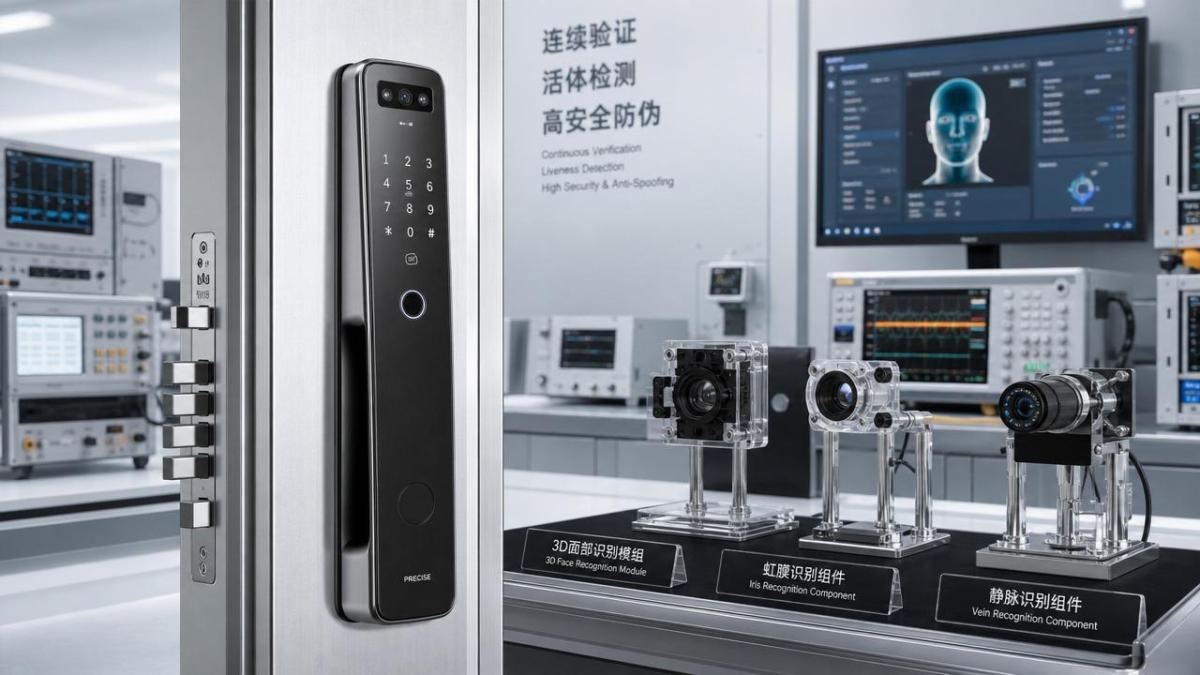
What the conference discussion explicitly points to
The confirmed information from the event is limited but clear on several points. The eighth Zhiyuan Conference opened on June 12, 2026, with a focus on Agent technologies, world models, and embodied intelligence. Multiple Turing Award winners stated that the combination of multimodal perception and modeling of the physical world is moving biometrics away from one-time, static frame comparison and toward continuous interpretation of user behavior and intent.
The same event summary also indicates that this shift creates new challenges for Iris/Vein Biometric Locks and 3D Facial Recognition vendors. The areas named directly are stronger live-body spectral penetration, microvascular pulse modeling, and resistance to generative AI-based spoofing. In addition, the summary notes that preparatory research for a possible revision of the EU CE EN 61000-4-3 standard may begin in Q3.
Where the pressure may appear across the value chain
Device makers may face a higher verification burden
From an industry perspective, hardware and system manufacturers are the most directly exposed to this signal because the discussion is not about cosmetic feature upgrades; it is about the underlying verification logic. If biometric locks are increasingly assessed through continuous signals rather than isolated captures, the impact may show up in sensing architecture, algorithm integration, and product testing workflows.
Component and module suppliers need to watch technical fit
Analysis shows that suppliers of sensing-related modules and supporting components may also be affected, especially where product claims involve liveness detection or deeper physiological capture. What deserves closer attention is whether current component capabilities align with stronger spectral penetration needs and whether upstream documentation can support stricter customer validation requests.
Channel and project-side buyers may see new due-diligence demands
For distributors, integrators, and procurement-side decision makers, the likely impact is less about immediate product replacement and more about qualification risk. If customers begin asking how a biometric lock handles behavior-based verification logic or generative AI spoofing scenarios, sales, tender, and delivery teams may need clearer technical explanations and supporting compliance materials.
EU-facing business lines should monitor standards movement
Observably, the reference to possible preparatory work on revising CE EN 61000-4-3 gives export-oriented and compliance-focused teams a practical reason to stay alert. This is not yet a confirmed rule change in the provided information, but it may affect certification planning, product documentation, and communication with European clients if the discussion develops further.
What companies should track now
Separate confirmed technical signals from market interpretation
Companies should first distinguish between what has been stated and what remains interpretive. The confirmed signal is that conference participants pointed to a transition toward continuous behavior-and-intent inference and named technical challenge areas. It is more appropriate to treat broader commercial conclusions as pending until further technical or regulatory detail emerges.
Review product claims around liveness and anti-spoofing
For Iris/Vein Biometric Locks and 3D Facial Recognition vendors, current product messaging may need a closer internal review. Analysis shows that claims related to liveness detection, physiological signal capture, and resistance to synthetic attacks are likely to receive more scrutiny if the verification paradigm continues to shift in the direction described at the conference.
Prepare customer-facing compliance and validation materials
Commercial teams may need to work more closely with engineering and compliance functions. What deserves closer attention is whether existing datasheets, test records, qualification files, and delivery-stage explanations are sufficient for customers asking more detailed questions about spectral penetration capability, pulse-based modeling logic, or spoof-resistance boundaries.
Follow the difference between conference signals and formal standards steps
The mention of possible Q3 preparatory research around CE EN 61000-4-3 should be monitored carefully, but it should not be treated as an enacted revision. For businesses with EU exposure, the practical task now is to establish an internal watchlist for official wording, draft activity, and any changes that could eventually affect testing schedules or market-access documentation.
Why this looks more like a directional signal than a settled outcome
Analysis shows that the news is important less because it confirms an immediate market change and more because it reframes the technical expectations around biometric verification. The language around continuous behavior and intent inference suggests a deeper shift in how system trust may be judged, especially when multimodal sensing and physical-world modeling are involved.
At the same time, it is more appropriate to understand this as a directional industry signal rather than a completed transition. The provided information does not confirm new mandatory rules, commercial adoption timelines, or finalized testing criteria. That is why continued observation matters: the technical discussion is already moving, while the operational consequences may emerge later through product requirements, buyer questions, and standards work.
How the industry may best read this update
In practical terms, this development should be read as an early but meaningful indication that biometric lock verification may be judged by richer and harder-to-fake signals than before. For manufacturers, suppliers, integrators, and procurement teams, the immediate value lies in identifying where current products, validation files, and customer communications may be weakest if that expectation strengthens.
A neutral reading today is that the conference has surfaced a credible technical direction and a potential compliance watchpoint, but not a finalized market outcome. That makes this update more suitable as a medium- to long-range signal that warrants preparation and monitoring, rather than as proof of an already completed industry shift.
Basis of this article and what still needs verification
This article is generated from the user-provided news title, event date, and event summary. The factual basis used here is limited to the reported opening of the 2026 Zhiyuan Conference, its stated focus areas, the cited expert view on biometric verification moving from static matching to continuous behavior-and-intent inference, the named technical challenges for Iris/Vein Biometric Locks and 3D Facial Recognition, and the note that preparatory research for a possible revision of CE EN 61000-4-3 may begin in Q3.
For this type of industry update, commonly relevant source categories would include official event releases, company statements, industry association updates, authoritative media coverage, and standards organization documents. A specific official source link was not provided in the input, so further verification remains necessary. Follow-up attention should focus on any formal clarification of the technical claims and whether official standards-related documents are released in relation to CE EN 61000-4-3.
Recommended News