
Search News
Industry Portal
Hot Articles
Full-face Respirators: Fit Checks That Prevent Leakage
Time
Click Count
Full-face respirators are only as protective as their seal. For operators working around toxic gases, fine dust, chemical splash, or oxygen-displacing hazards, a small leak can turn certified PPE into false confidence. This guide explains practical fit checks that help confirm the facepiece is seated correctly before entering the work zone, reducing exposure risk and improving day-to-day safety discipline. Whether you are on a construction site, in a manufacturing plant, or handling emergency maintenance, mastering these checks is a critical last line of defense.
Why Seal Checks Matter Before Every Hazardous Task
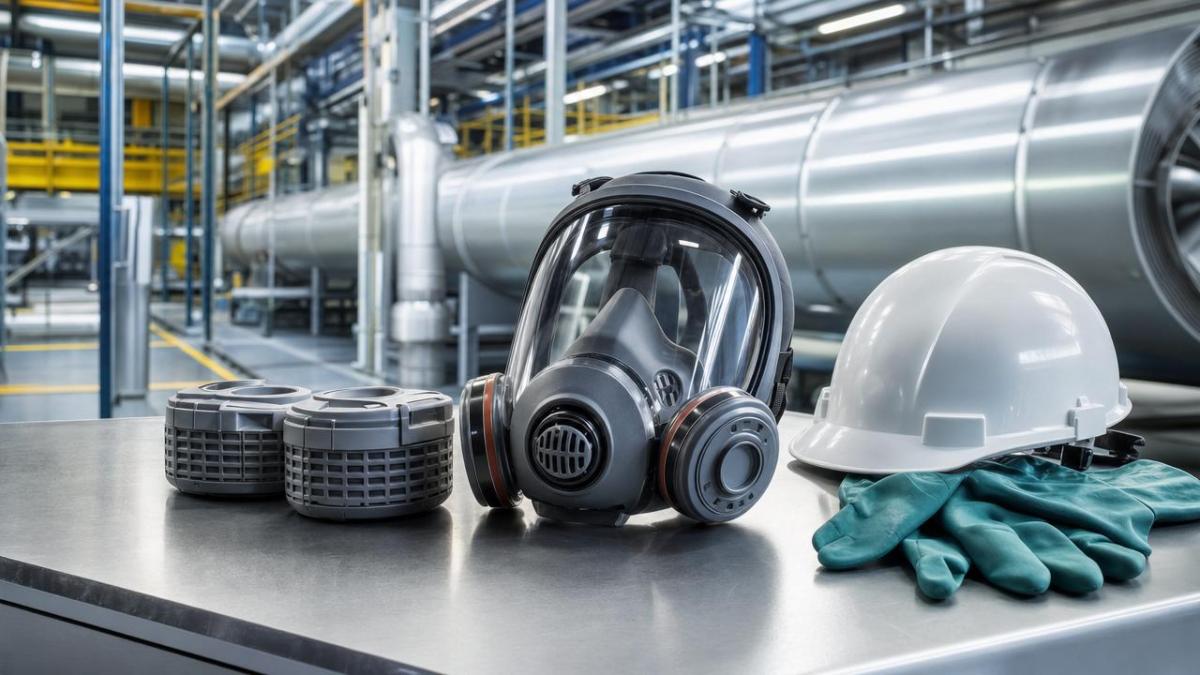
Full-face respirators protect the eyes, nose, mouth, and respiratory tract through one continuous sealing surface. That advantage disappears when hair, sweat, strap imbalance, lens pressure, or a damaged valve creates a leakage path.
For operators, the risk is practical, not theoretical. A respirator may pass formal fit testing, yet still leak during a specific shift because the facepiece is worn incorrectly or the cartridge is poorly seated.
SHSS views PPE as the last physical armor in environments where smart tools, structural fasteners, lighting, and security systems all support safe operation. Full-face respirators sit at the final human interface.
The Operator’s Three-Minute Discipline
- Inspect the sealing edge before wearing the mask, especially around the chin cup, nose bridge, and temple areas where deformation often appears first.
- Confirm cartridges, filters, or breathing hose connections are locked according to the manufacturer’s instructions and not cross-threaded or loose.
- Perform positive and negative pressure checks before entering the exposure zone, not after smelling vapor, coughing, or feeling eye irritation.
- Repeat the check after breaks, heavy sweating, kneeling work, helmet adjustment, or any task that shifts the head harness.
This routine does not replace formal fit testing. It complements it. Formal testing proves suitability under controlled conditions; daily fit checks confirm the seal in the real work moment.
Positive and Negative Pressure Checks: What Operators Should Feel
Most tight-fitting full-face respirators rely on user seal checks that are simple, fast, and repeatable. The goal is to detect air movement before hazardous air reaches the breathing zone.
The negative pressure check tests inward leakage. Cover the filter inlets or cartridges as instructed, inhale gently, and hold your breath briefly. The facepiece should collapse slightly and stay collapsed.
The positive pressure check tests outward leakage. Cover the exhalation valve area as instructed, exhale gently, and feel whether pressure builds without air escaping around the seal.
The following table compares common checks for full-face respirators and explains what a pass or fail result usually means in field conditions.
A failed check is not a minor inconvenience. Operators should leave the hazard area, readjust, replace components, or request another size before continuing the job.
Common Leakage Causes in Construction, Manufacturing, and Maintenance
Leakage often comes from small practical details. In mixed industrial sites, operators may wear helmets, goggles, communication headsets, beard stubble, flame-resistant hoods, or chemical suits.
Full-face respirators must interface with all those items without crushing the seal or forcing the lens into an unstable position. Fit checks reveal conflicts before exposure begins.
High-Risk Details Operators Often Miss
- Facial hair under the sealing surface can prevent reliable contact, even when the mask feels tight during a quick wear test.
- Over-tightened straps may deform the facepiece and create micro-gaps near the cheeks or chin.
- Sweat, sunscreen, dust, and chemical residue can reduce friction between skin and elastomeric sealing surfaces.
- Scratched lenses and stiffened rubber may indicate aging that also affects valve performance and seal resilience.
- Wrong cartridges create a false sense of protection when the facepiece seals but the filter does not match the hazard.
Operators should treat comfort complaints seriously. A mask that hurts often gets loosened during work, and a loosened mask becomes a leakage risk.
Choosing Full-Face Respirators for Real Work Conditions
Selection is not only a procurement task. Operators feel the consequences of poor selection through fogging, fatigue, restricted vision, difficult communication, and repeated seal failures.
When comparing full-face respirators, safety teams should match respiratory protection to exposure assessment, work duration, mobility, maintenance skill, and compatibility with other PPE.
Use this selection table to connect field conditions with practical respirator priorities before requesting samples or approving a purchase batch.
The best choice is the one operators can wear correctly, maintain consistently, and verify quickly under pressure. Sample trials should include movement, communication, and tool-use simulations.
Fit Checks Versus Fit Testing: Do Not Confuse the Two
Fit checks and fit testing serve different purposes. A user seal check happens every time full-face respirators are worn. Fit testing is a formal evaluation of model, size, and wearer compatibility.
Many jurisdictions and safety programs reference recognized respiratory protection practices such as OSHA 29 CFR 1910.134, NIOSH-approved equipment concepts, or EN 136 full face mask classifications.
Operators do not need to memorize every clause, but they should understand the practical boundary: passing a daily seal check does not erase the need for assigned equipment and documented training.
A Practical Compliance Mindset
- Use only respirators, cartridges, filters, and accessories approved by the safety program and compatible with the selected facepiece.
- Request refitting after significant facial weight change, dental changes, facial injury, repeated leakage, or a model change.
- Keep inspection records simple enough for crews to complete, but specific enough to identify repeated valve, strap, or cartridge issues.
- Train operators to stop work when full-face respirators fail checks, rather than treating leakage as something to tolerate.
Compliance becomes useful when it changes behavior. The operator who knows why a seal fails is more likely to correct it before exposure.
Field Checklist Before Entering the Exposure Zone
A checklist helps under time pressure. It is especially useful for shutdowns, demolition, chemical transfer, plant maintenance, remediation, and utility repair where conditions change quickly.
Pre-Use Inspection Sequence
- Confirm the assigned full-face respirators match the task hazard, not only the worker’s name or storage location.
- Check lens clarity, face seal flexibility, head harness elasticity, valve cleanliness, gasket condition, and cartridge expiration indicators where applicable.
- Place the chin into the facepiece first, pull the harness over the head, and tighten straps evenly from lower to upper positions.
- Run positive and negative pressure checks, then move the head through expected working angles while breathing calmly.
- Ask a trained coworker to visually confirm strap placement, cartridge seating, and interference from helmets, hoods, or hair.
This sequence is short enough for field use but complete enough to catch the most common failures. It also creates shared language between operators and supervisors.
Cost, Downtime, and Procurement Decisions Operators Should Influence
Budget pressure can push teams toward the cheapest mask, but low purchase price may increase downtime if seals fail, parts are unavailable, or operators avoid wearing uncomfortable equipment.
Full-face respirators should be evaluated as a system: facepiece, filters, cartridges, storage, cleaning, training, replacement parts, and fit testing logistics.
The table below helps operators and buyers discuss total-use cost without relying only on the unit price of full-face respirators.
Operators should be part of trials because they expose issues that catalog sheets miss. A respirator that looks acceptable in procurement may fail when worn with actual tools and helmets.
FAQ: Fit Checks and Daily Use of Full-Face Respirators
How often should operators perform a fit check?
Operators should perform seal checks every time full-face respirators are donned. Checks should also be repeated after breaks, strap adjustments, heavy sweating, or contact with other PPE.
Can full-face respirators be used in oxygen-deficient atmospheres?
Air-purifying full-face respirators do not supply oxygen. Oxygen-deficient or unknown atmospheres require competent hazard assessment and may require supplied-air respirators or self-contained breathing apparatus.
Why does a mask leak even when straps are very tight?
Over-tightening can distort the sealing surface. Correct adjustment should be even and stable, with the facepiece seated naturally against the face rather than crushed into position.
What should I do if I smell chemicals during work?
Leave the hazardous area according to site procedure. Check the seal, valves, cartridges, and breakthrough schedule. Do not continue working because the facepiece still feels comfortable.
Why Choose SHSS for Respirator Selection and Safety Intelligence
SHSS connects PPE decisions with the wider reality of industrial work: brushless tools that raise output, fasteners that hold structures, smart lighting that improves visibility, and protective gear that guards life.
For full-face respirators, our value is not vague product promotion. We help operators, safety teams, and procurement groups clarify hazard type, fit-check discipline, cartridge requirements, compatibility, and replacement planning.
Contact SHSS when you need support with parameter confirmation, product selection, certification questions, sample evaluation, delivery planning, custom kit configuration, or quotation comparison for demanding work environments.
A reliable seal starts before the work zone. With the right full-face respirators, trained operators, and disciplined checks, PPE becomes a measurable safety system rather than a last-minute accessory.
Recommended News