
Search News
Industry Portal
Hot Articles
How to Choose Personal Protective Equipment by Hazard
Time
Click Count
Choosing the right Personal Protective Equipment starts with one critical question: what hazard must it control?
For safety decisions, PPE selection is not a catalog choice. It is a risk-based process linked to exposure, impact, heat, noise, visibility, and compliance.
This guide explains how to match Personal Protective Equipment to real workplace hazards, verify standards, and avoid gaps that create a false sense of protection.
Why Personal Protective Equipment Must Be Chosen by Hazard
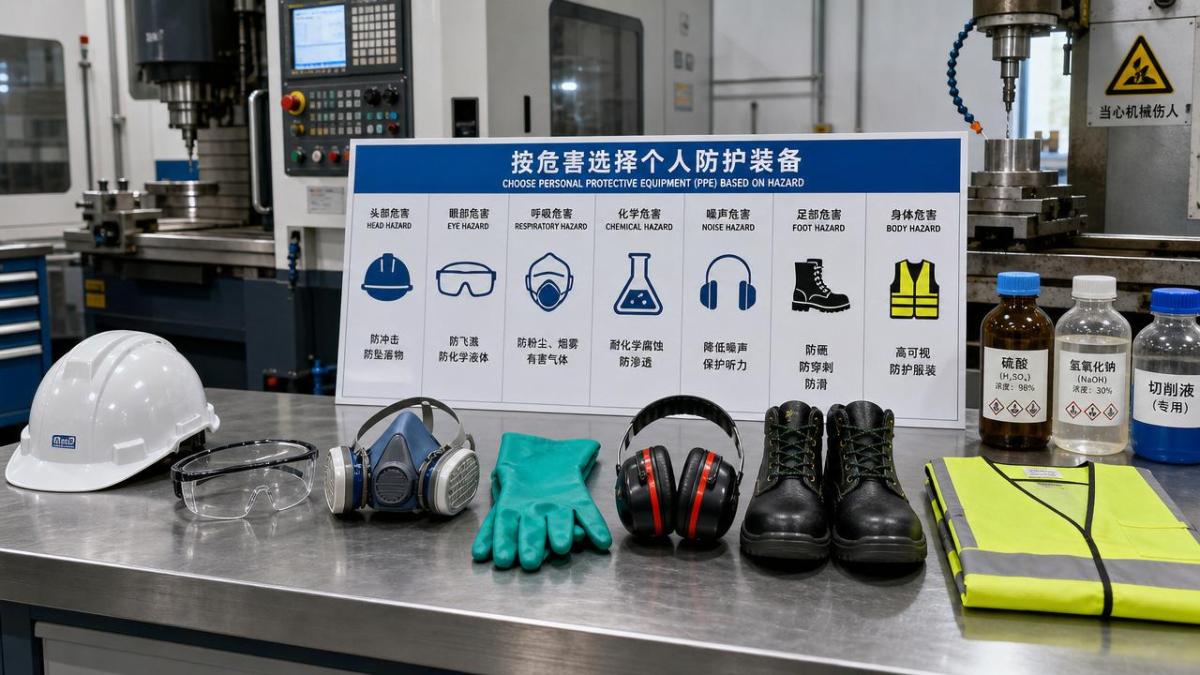
Personal Protective Equipment works only when its certified performance matches the hazard. A glove may resist abrasion but fail against solvents or needle puncture.
A respirator may seal well but use the wrong cartridge. A helmet may absorb impact but lack electrical insulation for energized work.
A checklist prevents these mismatches. It also creates traceable evidence for audits, training, incident reviews, and supplier qualification.
The strongest approach follows the hierarchy of controls. Eliminate or engineer out hazards first, then use Personal Protective Equipment as the final barrier.
Core Checklist for Selecting Personal Protective Equipment
Use the following checklist before approving any Personal Protective Equipment for industrial, construction, laboratory, logistics, energy, or facility operations.
- Identify the exact hazard source, including chemical name, tool speed, sharp edge type, thermal level, voltage range, airborne contaminant, or moving equipment path.
- Measure exposure severity using sampling data, noise readings, cut risk, splash probability, radiant heat, falling object risk, or visibility distance.
- Match protection type to body zone, covering eyes, face, hands, lungs, hearing, head, feet, skin, and high-visibility needs.
- Confirm recognized standards such as ANSI, EN, ISO, NIOSH, ASTM, NFPA, or local regulatory requirements before purchasing.
- Check compatibility between items, especially respirator seal with eyewear, helmets with face shields, and gloves with tool control.
- Validate fit through sizing, seal checks, movement testing, and user feedback before full deployment in active operations.
- Review durability against oils, UV exposure, welding spatter, repeated laundering, cold storage, dust, and abrasion from daily work.
- Define replacement triggers, including cracked lenses, saturated filters, worn soles, degraded coatings, broken straps, or expired shelf life.
- Document training requirements so each user understands limitations, donning method, doffing sequence, storage, and cleaning procedure.
- Audit field use regularly, comparing written Personal Protective Equipment rules with actual behavior, task variation, and incident data.
Match Personal Protective Equipment to Common Hazard Categories
Impact, Flying Particles, and Mechanical Contact
Grinding, drilling, demolition, fastening, and machining create high-speed fragments. Select safety glasses, goggles, helmets, and face shields rated for impact.
For hand protection, choose gloves by abrasion, tear, puncture, and cut resistance. Do not use loose gloves near rotating machinery.
Chemical Splash, Vapor, and Corrosive Exposure
Chemical Personal Protective Equipment must follow compatibility charts. Nitrile, neoprene, PVC, butyl, and laminate barriers resist different substances.
For splash tasks, combine goggles, face shield, apron, sleeves, and chemical-resistant footwear. Eye protection alone is rarely enough.
Respiratory Dust, Fume, Gas, and Oxygen Deficiency
Respiratory protection requires exposure data. Dust masks, half-face respirators, full-face respirators, PAPRs, and SCBA systems solve different hazards.
Cartridges must match the contaminant. Oxygen-deficient spaces need supplied air, not filter respirators, because filters cannot create oxygen.
Heat, Flame, Arc Flash, and Welding
Thermal Personal Protective Equipment should be selected by heat source, exposure duration, flame risk, molten metal, and arc energy.
Use flame-resistant garments, welding helmets, insulated gloves, leather protection, arc-rated clothing, and heat-resistant face shields where required.
Noise, Vibration, and Repetitive Tool Exposure
Hearing protection must be based on measured decibel levels. Earplugs and earmuffs may need combined use in extreme environments.
Anti-vibration gloves can reduce discomfort, but they do not replace tool maintenance, exposure rotation, or low-vibration equipment selection.
Application Notes for Different Work Scenarios
Construction and Structural Work
Construction sites combine falling objects, dust, silica, noise, sharp materials, and mobile equipment. Personal Protective Equipment must be layered carefully.
Hard hats, high-visibility clothing, safety boots, cut-resistant gloves, eye protection, and respiratory protection should match each changing work phase.
Manufacturing and Assembly Lines
Manufacturing hazards often repeat, but small process changes can alter exposure. New materials, adhesives, lubricants, or tools may require reassessment.
Personal Protective Equipment should preserve dexterity, grip, vision, and communication. Overly bulky gear can create quality defects or unsafe shortcuts.
Laboratories and Chemical Handling Areas
Laboratory protection depends on chemical class, concentration, temperature, reaction pressure, and splash distance. Generic lab coats are not universal barriers.
Choose goggles for splash risk, face shields for energetic reactions, and gloves proven compatible with the handled chemical.
Warehousing, Logistics, and Night Operations
Forklifts, dock edges, pallets, straps, and low-light movement create impact and visibility risks. High-visibility garments require appropriate class selection.
Foot protection should address toe impact, sole puncture, slip resistance, and electrostatic discharge where electronics or flammable materials are present.
Common Personal Protective Equipment Mistakes to Avoid
Choosing by appearance instead of rating. Similar-looking products can have very different impact, chemical, flame, or cut performance.
Ignoring comfort and fit. Poorly fitting Personal Protective Equipment is adjusted, removed, or bypassed during work, especially in hot or high-mobility tasks.
Mixing incompatible equipment. Eyewear can break a respirator seal, helmets can interfere with earmuffs, and gloves can reduce trigger control.
Using expired or damaged gear. Filters, elastic straps, coatings, lenses, and polymers degrade through time, sunlight, sweat, chemicals, and storage conditions.
Failing to train on limitations. Users must know what Personal Protective Equipment cannot do, including breakthrough time, heat limits, and cartridge capacity.
Practical Implementation Steps
- Build a task-hazard matrix listing each job step, exposure source, required Personal Protective Equipment, standard, and inspection frequency.
- Pilot new equipment with real tasks before full rollout, checking fatigue, communication, heat stress, visibility, and tool handling.
- Standardize approved models where possible, but allow alternatives for fit, medical restrictions, climate, and specialized hazards.
- Store PPE away from UV light, chemicals, moisture, crushing pressure, and contamination that can reduce protective performance.
- Review incident reports, near misses, and maintenance records to identify whether Personal Protective Equipment failed or was misapplied.
A strong system also includes supplier verification. Request test reports, declarations of conformity, user instructions, and batch traceability when risk is high.
For critical hazards, do not rely on marketing claims. Confirm the exact certification mark, test method, performance level, and intended application.
Summary and Action Guide
Effective Personal Protective Equipment selection begins with the hazard, not the product. Every item must solve a defined risk under real conditions.
Start by mapping tasks, measuring exposure, and selecting certified protection for each body zone. Then test fit, compatibility, comfort, and durability.
Finally, make the process repeatable. Document standards, train users, inspect equipment, and update choices whenever materials, tools, or environments change.
When Personal Protective Equipment is chosen by hazard, it becomes a reliable last line of defense rather than a symbolic safety expense.
Recommended News