
Search News
Industry Portal
Hot Articles
Personal Protective Equipment Selection Mistakes to Avoid
Time
Click Count
Choosing Personal Protective Equipment is not just a purchasing task. It is a frontline risk-control decision affecting compliance, confidence, and incident rates.
Personal Protective Equipment Selection Mistakes to Avoid
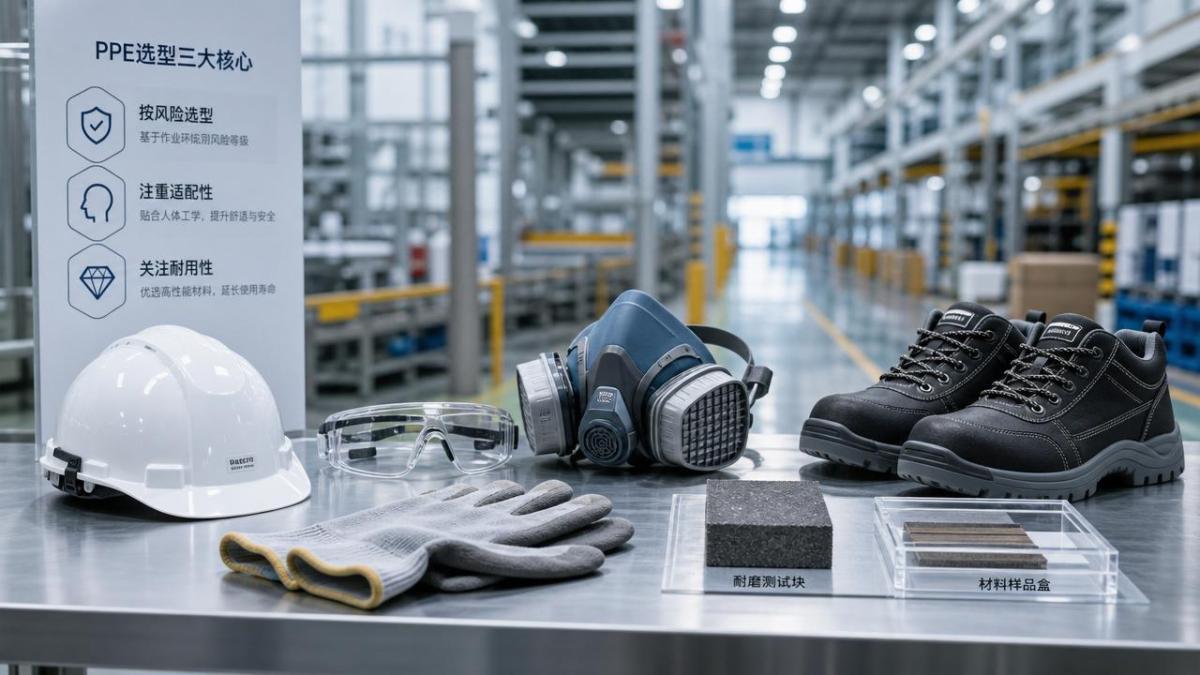
The wrong glove rating, respirator fit, lens coating, or cut-resistance level can turn certified gear into misleading protection.
This guide explains common Personal Protective Equipment mistakes and practical ways to align hazards, standards, comfort, durability, and lifecycle costs.
1. What is the biggest mistake when choosing Personal Protective Equipment?
The biggest mistake is selecting Personal Protective Equipment by product category instead of verified hazard exposure.
A hard hat, glove, respirator, or visor is not automatically suitable because it looks industrial.
Each item must match the actual energy, chemical, particle, noise, heat, biological, or mechanical risk present.
For example, a general-purpose glove may resist abrasion but fail against solvents, punctures, or fine metal burrs.
A dust mask may reduce nuisance particles but cannot replace a certified respirator for toxic vapor exposure.
Personal Protective Equipment must be selected after hazard identification, exposure duration review, and task movement analysis.
- Identify the hazard source, not only the job title.
- Check exposure intensity, frequency, and duration.
- Confirm whether multiple hazards occur together.
- Match equipment performance to measurable risk levels.
The safest selection begins with a risk map, not a catalog page.
2. Why can certified PPE still fail in real work conditions?
Certified Personal Protective Equipment can fail when the certificate is misunderstood or applied outside its tested conditions.
Standards define performance under specific test methods, materials, speeds, temperatures, and exposure types.
A product meeting one standard may not satisfy another hazard category or regional regulation.
For eye protection, lens markings can indicate impact rating, optical class, UV filtering, and anti-fog performance.
For cut-resistant gloves, levels differ across EN 388 and ANSI/ISEA testing systems.
For respiratory protection, filtration efficiency does not replace fit, seal integrity, and cartridge compatibility.
Personal Protective Equipment also fails when storage, cleaning, or replacement intervals are ignored.
Sunlight can degrade helmet shells. Oil can weaken some glove materials. Scratched lenses can reduce visibility.
Certification is a starting point. Field suitability depends on application, maintenance, user fit, and replacement discipline.
Practical check before approval
- Read the full marking, not only the brand claim.
- Compare the standard with the exact workplace hazard.
- Confirm regional compliance requirements.
- Review maintenance instructions before deployment.
3. How does poor fit reduce Personal Protective Equipment performance?
Poor fit is one of the most common reasons Personal Protective Equipment loses protective value.
A respirator with small seal gaps may allow contaminated air to bypass the filter.
Oversized gloves can catch moving parts, reduce grip precision, and increase fatigue during repetitive work.
Tight footwear can cause discomfort, posture changes, and unsafe movement on ladders or wet floors.
Loose hearing protection can reduce attenuation and create a false impression of noise control.
Personal Protective Equipment must protect without forcing unnatural movement or frequent adjustment.
Comfort is not a luxury. It directly affects whether equipment stays correctly worn during critical tasks.
Fit testing, size ranges, trial wear, and task simulation should happen before bulk rollout.
Fit-related warning signs
- Frequent removal during normal work.
- Fogging, slipping, pinching, or pressure marks.
- Reduced dexterity or restricted vision.
- Improvised modification, such as cutting straps.
Any sign of improvised adjustment means the Personal Protective Equipment selection should be reviewed immediately.
4. Is choosing the highest rating always the safest option?
The highest rating is not always the safest choice for Personal Protective Equipment.
Over-specification can reduce mobility, heat comfort, grip control, visibility, and communication.
When gear becomes too heavy or restrictive, correct usage often declines.
A thick cut-resistant glove may protect against blades but reduce sensitivity for precision assembly.
A sealed protective suit may block contaminants but increase heat stress in warm environments.
The right Personal Protective Equipment balances protection level with task practicality and human endurance.
Selection should compare hazard severity with operational needs, not simply chase maximum numbers.
Effective Personal Protective Equipment is neither excessive nor minimal. It is proportionate, usable, and verified.
5. How should Personal Protective Equipment be compared across suppliers?
Comparing Personal Protective Equipment only by unit price hides important performance and reliability differences.
A cheaper visor may scratch faster, increasing replacement frequency and reducing visual clarity.
Low-cost gloves may wear out sooner, causing higher consumption and inconsistent protection.
Respirator systems may appear similar, yet filter availability and seal quality can differ greatly.
Personal Protective Equipment comparison should include certifications, materials, ergonomics, spare parts, delivery stability, and documentation.
Lifecycle cost matters more than shelf price when incidents, downtime, disposal, and replacement are considered.
Supplier comparison checklist
- Are certificates current and traceable?
- Are test standards clearly identified?
- Are sizes, accessories, and replacements available?
- Is technical documentation easy to understand?
- Can samples be tested under real tasks?
A reliable supplier supports consistent Personal Protective Equipment performance after the first shipment, not only during the quotation stage.
6. What mistakes happen after PPE reaches the worksite?
Selection does not end when Personal Protective Equipment arrives on site.
Incorrect storage, missing instructions, poor inspection routines, and unclear replacement triggers can weaken protection.
Protective gear should be managed as a safety system, not as disposable inventory.
Helmets need inspection for cracks, deformation, chemical exposure, and service-life limits.
Fall protection components require strict checks for cuts, corrosion, stitching damage, and impact history.
Reusable respirators need cleaning schedules, seal checks, and cartridge change rules.
Personal Protective Equipment should also be reviewed when processes, materials, tools, or environments change.
A new solvent, faster cutting tool, or higher platform can invalidate yesterday’s equipment choice.
FAQ: Common Personal Protective Equipment Selection Questions
Summary: Build a safer PPE selection process
Personal Protective Equipment selection should start with hazard evidence, not assumptions, habits, or price pressure.
Avoid common mistakes by checking standards, fit, comfort, durability, maintenance, and lifecycle cost together.
The best Personal Protective Equipment creates a reliable physical barrier while supporting normal movement and clear judgment.
Before approving the next order, document hazards, compare certified options, run task trials, and define inspection rules.
A disciplined selection process turns Personal Protective Equipment from a purchase item into a measurable layer of risk control.
Recommended News