
Search News
Industry Portal
Hot Articles
Physical Security in North America: What Matters Most in 2026 Upgrades
Time
Click Count
Physical Security North America in 2026: what is really changing?
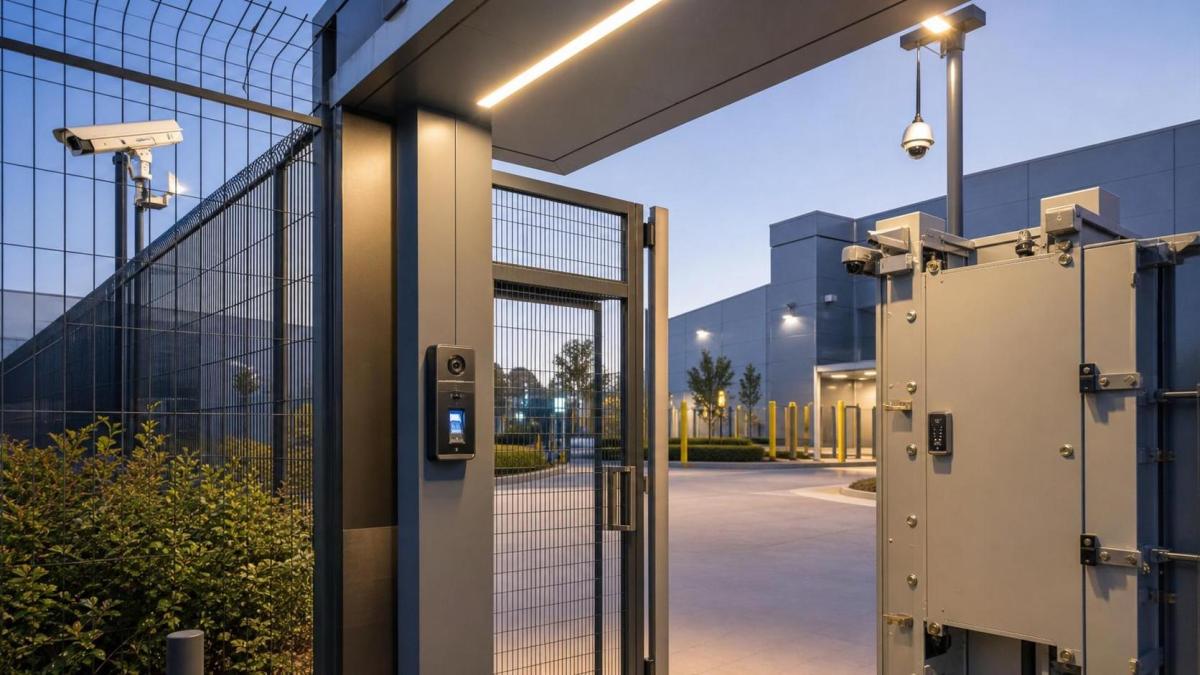
Physical security North America planning is no longer centered on replacing a few cameras or badging readers.
The bigger shift is toward connected protection layers that keep sites running during labor shortages, compliance pressure, and rising downtime costs.
That changes how upgrades should be judged.
In practice, strong 2026 programs tie together access control, perimeter hardware, smart lighting, structural fasteners, and protective gear.
They also need clear service logic, not just impressive device specifications.
This is where SHSS-style intelligence has practical value.
Its perspective connects biometric speed, metal durability, lighting control, and frontline protection as one operational system.
The useful question is not, “Which device looks modern?”
The better question is, “Which upgrade path reduces physical risk while staying maintainable for the next five to seven years?”
Which upgrade areas matter most when budgets are limited?
A common mistake is spreading budget thinly across many visible items.
For physical security North America projects, limited capital usually performs better when concentrated on failure points.
Those failure points are often more basic than expected.
A biometric reader is only as reliable as the door hardware, power continuity, network path, and credential recovery process behind it.
A perimeter upgrade loses value if exterior lighting still creates shadow pockets or maintenance gaps.
The most important 2026 upgrade areas usually include:
- Access control platforms that support biometrics, mobile credentials, and policy-based zoning.
- High-strength hardware and fastening points for doors, gates, cabinets, and equipment mounts.
- Smart LED lighting that improves visibility, response time, and energy performance together.
- PPE upgrades for contractors and maintenance crews entering hazardous or high-exposure zones.
- Field tools that speed installation quality, especially brushless systems for repetitive drilling and fastening.
If only one or two categories can move this year, start with the layers that affect both security and uptime.
Access reliability and illuminated perimeter coverage usually outperform cosmetic replacements.
How should access control be judged now that credentials are going biometric?
The market talks about speed, but speed alone is not the deciding factor.
For physical security North America deployments, the stronger test is whether biometric access improves security without creating operational friction.
That means looking beyond recognition accuracy.
3D structured light, infrared validation, and iris recognition can block spoofing far better than older image-based systems.
Still, deployment quality depends on privacy handling, enrollment workflow, edge processing, and fallback rules during outages.
A practical review table helps keep selection grounded:
A useful sign of maturity is whether the supplier treats biometrics as part of physical operations, not just digital identity.
That broader view is increasingly important across logistics hubs, commercial campuses, utilities, and data-heavy facilities.
Why do lighting, hardware, and fasteners still decide security outcomes?
Because most breaches exploit neglected physical details.
Physical security North America investments often underperform when decision teams separate electronic controls from mechanical reliability.
In real facilities, they fail together.
Door frames loosen under repeated vibration.
Gate motors lose alignment.
Lighting creates blind edges near loading zones.
Control cabinets are mounted with hardware not rated for long-term stress.
That is why high-strength fasteners and durable anchoring should be reviewed alongside electronic upgrades.
The same logic applies to smart LED systems.
Good lighting is not just an energy line item.
With DALI or Zigbee-based control, sites can adapt illumination by traffic patterns, incident zones, and perimeter schedules.
That improves camera usefulness, patrol confidence, and worker safety at once.
When comparing options, ask whether the hardware layer can survive vibration, weather, corrosion, and repeated maintenance access.
If the answer is vague, the apparent savings may be short-lived.
Where do PPE and installation tools fit into a security upgrade decision?
This is often ignored, but it should not be.
Physical security North America programs are built in active environments, not empty diagrams.
Crews enter rooftops, utility corridors, dusty plants, roadside cabinets, and fenced compounds under schedule pressure.
If PPE is outdated or task tools are unreliable, installation quality drops and incident exposure rises.
That affects project cost, handover timing, and long-term reliability.
A stronger evaluation usually includes these checks:
- Cut resistance and respiratory protection for work around metal edges, dust, and enclosed spaces.
- Tool platform consistency, especially brushless systems with stable torque and battery interchangeability.
- Installation ergonomics for repetitive anchoring, cabinet mounting, and retrofit drilling.
- Training demands for both safety gear use and secure commissioning procedures.
SHSS pays unusual attention to these links between frontline hardware and system integrity.
That matters because a beautifully specified system can still be weakened by rushed fastening, poor sealing, or unsafe field practice.
What selection mistakes show up most often in 2026 upgrade programs?
The first mistake is buying isolated technology because it demos well.
A device that cannot share alarms, status, credentials, or maintenance data will age quickly.
The second mistake is underestimating lifecycle costs.
For physical security North America planning, maintenance access, firmware strategy, spare parts, and replacement labor usually matter more than entry price.
Another common issue is weak standards alignment.
Teams verify camera coverage or reader speed, but skip code, privacy, or safety obligations tied to the site type.
That becomes expensive late in the project.
There is also a planning error around scale.
A system that works for one building may break down across distributed yards, mixed contractors, and temporary work zones.
The better approach is to define a short list of non-negotiables before comparing brands.
- Required integrations and open protocol expectations.
- Acceptable recovery time after power or network loss.
- Environmental durability for each asset class.
- Biometric governance and data retention boundaries.
- Measured payback assumptions for lighting and maintenance reduction.
How can an upgrade roadmap stay practical and investment-worthy?
Start by grouping assets into operational layers, not product categories.
Entry control, perimeter integrity, visibility, structural reliability, and worker protection should each have clear performance targets.
Then map current weak points against incident history, service burden, and expansion plans.
This usually exposes where physical security North America spending will return the fastest value.
For many sites, the best roadmap is phased.
Phase one secures the most exposed entries and lighting gaps.
Phase two standardizes hardware, fastening, and field tooling.
Phase three expands analytics, automation, and reporting across the estate.
That sequence keeps capital aligned with actual risk reduction.
The strongest 2026 decisions will not come from chasing one flagship device.
They will come from choosing systems that hold together physically, digitally, and operationally.
A useful next step is to build a site-by-site checklist covering compliance, integration, mechanical durability, lighting performance, and field safety requirements.
Once those criteria are visible, comparing options becomes much clearer and far less reactive.
Recommended News