
Search News
Industry Portal
Hot Articles
Fingerprint Access Control: Security Risks and Fixes
Time
Click Count
Fingerprint Access Control: Security Risks and Fixes
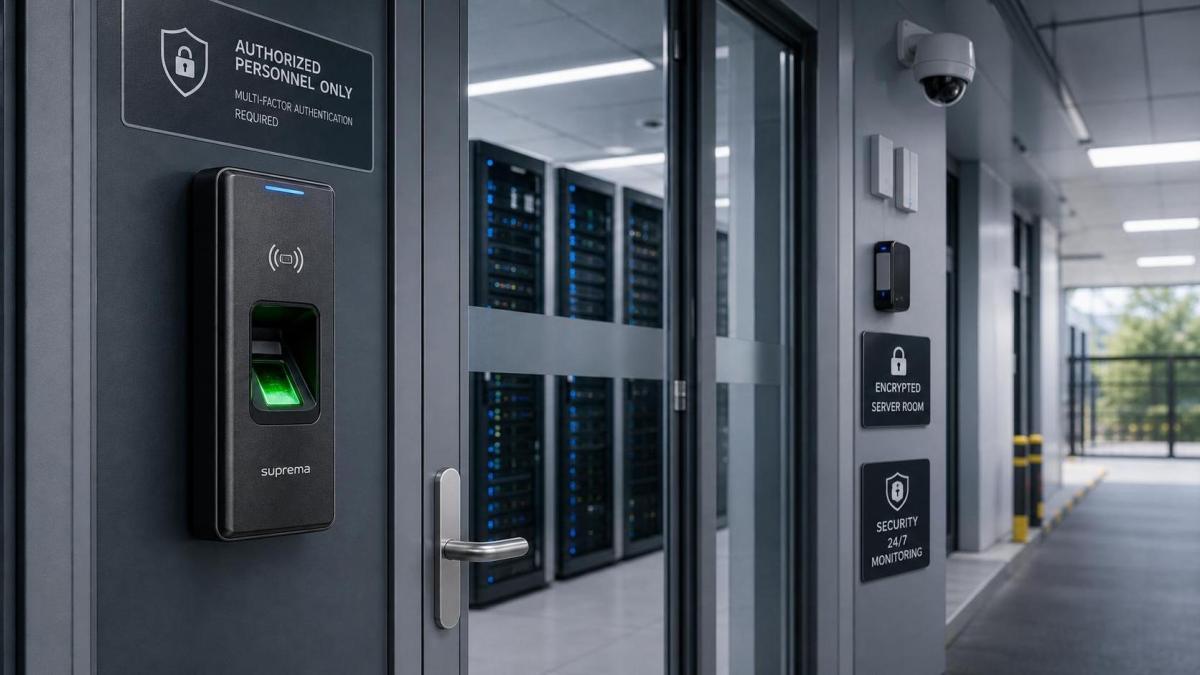
Fingerprint access control is fast, familiar, and easy to scale.
That convenience is exactly why many sites trust it too much.
When fingerprint systems fail, the impact reaches doors, audits, data, and incident response.
For facilities with strict access rules, small biometric weaknesses become operational risks very quickly.
The main problems are rarely dramatic.
More often, they come from weak enrollment, poor sensor hygiene, unsafe template storage, or bad system integration.
This also means the fixes are practical.
A stronger fingerprint access control program combines hardware quality, software policy, maintenance discipline, and compliance awareness.
Why fingerprint access control creates hidden risk
A fingerprint looks unique, but the system does not store a literal image in most cases.
It stores a template built from extracted biometric features.
If that template is stolen, exposed, or reused, the user cannot simply reset a finger.
That is the core difference between fingerprint security and password security.
In real facilities, risk grows when managers assume biometric entry is automatically high assurance.
It is not.
Assurance depends on sensor quality, liveness detection, matching thresholds, encryption, and event logging.
Once one of those layers is weak, fingerprint access control becomes easier to bypass than expected.
Common warning signs
- Frequent false rejects during shift changes
- Shared backup PIN codes for multiple users
- No clear retention rule for biometric templates
- Access terminals connected to unsegmented networks
- No alert when readers go offline
- Enrollment done without identity verification
The biggest fingerprint security risks
From recent field changes, four issues appear again and again.
They affect reliability, compliance, and physical protection at the same time.
1. Fingerprint spoofing and presentation attacks
Low-end readers may accept fake fingerprints made from lifted prints, silicone, film, or molded surfaces.
If liveness detection is weak, the reader may only check pattern shape.
That leaves high-value doors exposed.
2. Sensor failure and degraded capture quality
Dust, grease, scratches, moisture, and temperature swings reduce scan quality.
Workers wearing gloves or handling metal parts may also present worn or damaged fingertips.
That increases false rejects and encourages unsafe workarounds.
3. Unsafe storage of fingerprint templates
Template data stored without strong encryption creates long-term exposure.
The risk becomes worse when systems sync to cloud dashboards without clear controls.
A breach can become both a security incident and a privacy event.
4. Weak integration with broader access control
Many fingerprint access control deployments are added on top of old door systems.
If API connections, firmware updates, or user role mapping are poorly managed, gaps appear.
An employee may lose one permission but keep another through a forgotten sync path.
Practical fixes that strengthen fingerprint access control
The good news is that most fingerprint risks can be reduced with a layered approach.
In practice, the most effective controls are simple, measurable, and repeatable.
Choose readers with real anti-spoofing capability
Use readers with tested liveness detection, not just marketing claims.
Look for multi-spectrum sensing, pulse checks, thermal response, or capacitive depth analysis.
For critical zones, combine fingerprint verification with a badge or mobile credential.
Tighten enrollment quality
Poor enrollment creates weak matching for the life of the record.
Verify identity before capture, record at least two fingers, and confirm sample clarity at enrollment time.
Also define who can enroll, edit, and delete biometric records.
Protect templates like sensitive assets
Encrypt templates in transit and at rest.
Store them in hardened environments with strict role-based access.
Keep retention periods short and tied to employment or contract status.
If local law applies, document lawful basis, consent handling, and deletion workflows.
Maintain the sensor like production equipment
A fingerprint reader is not a set-and-forget device.
Set cleaning schedules, surface inspection routines, and environmental checks.
Track false reject rates by location.
If one door suddenly performs worse, treat it as a quality signal, not a user complaint.
A field checklist for quality and security teams
A useful fingerprint access control review should connect hardware, process, and data controls.
This short checklist helps turn abstract risk into daily action.
- Check whether every fingerprint reader runs current firmware.
- Review failed authentication logs by time, door, and user group.
- Test anti-spoofing performance during vendor acceptance and periodic audits.
- Confirm biometric templates are encrypted and access-controlled.
- Verify deprovisioning removes credentials from every linked subsystem.
- Inspect emergency override rules to prevent abuse.
- Document retention, deletion, and breach response procedures.
Quick risk rating table
How to build a more resilient fingerprint program
A resilient fingerprint access control program is not built on the scanner alone.
It depends on governance, testing, and realistic fallback planning.
Start by classifying doors by risk.
A warehouse side entrance and a server room should not use the same trust model.
Then match each door to the right combination of fingerprint, card, mobile credential, or guard verification.
Next, measure what the system is actually doing.
Track spoof attempts, false acceptance rates, false reject rates, offline time, and enrollment rework.
Those numbers reveal whether the fingerprint solution is improving security or quietly creating friction.
Finally, rehearse failure scenarios.
Know what happens when the network drops, a controller fails, or a reader is physically damaged.
Good fingerprint security is not only about stopping intrusion, but also about keeping access safe during disruption.
Final takeaway
Fingerprint access control can be a strong tool, but only when risk is managed deliberately.
The biggest gains usually come from better reader selection, stronger template protection, disciplined maintenance, and cleaner system integration.
If your current fingerprint process depends on manual workarounds, shared overrides, or unclear data handling, it is time to tighten it.
Review one site, one door group, and one workflow at a time.
That steady approach makes fingerprint security more reliable, more compliant, and much harder to break.
Recommended News