
Search News
Industry Portal
Hot Articles
British Columbia Respirator Face-Seal Amendment Takes Effect
Time
Click Count
On November 6, 2026, an amendment to Part 8 of British Columbia’s Occupational Health and Safety Regulation took effect, updating face-seal requirements for tight-fitting respirators. The change is relevant to employers, respirator suppliers and purchasers involved in industrial and specialized work, where fit testing and product compliance can affect respiratory protection and procurement decisions.
Updated requirements for tight-fitting respirators
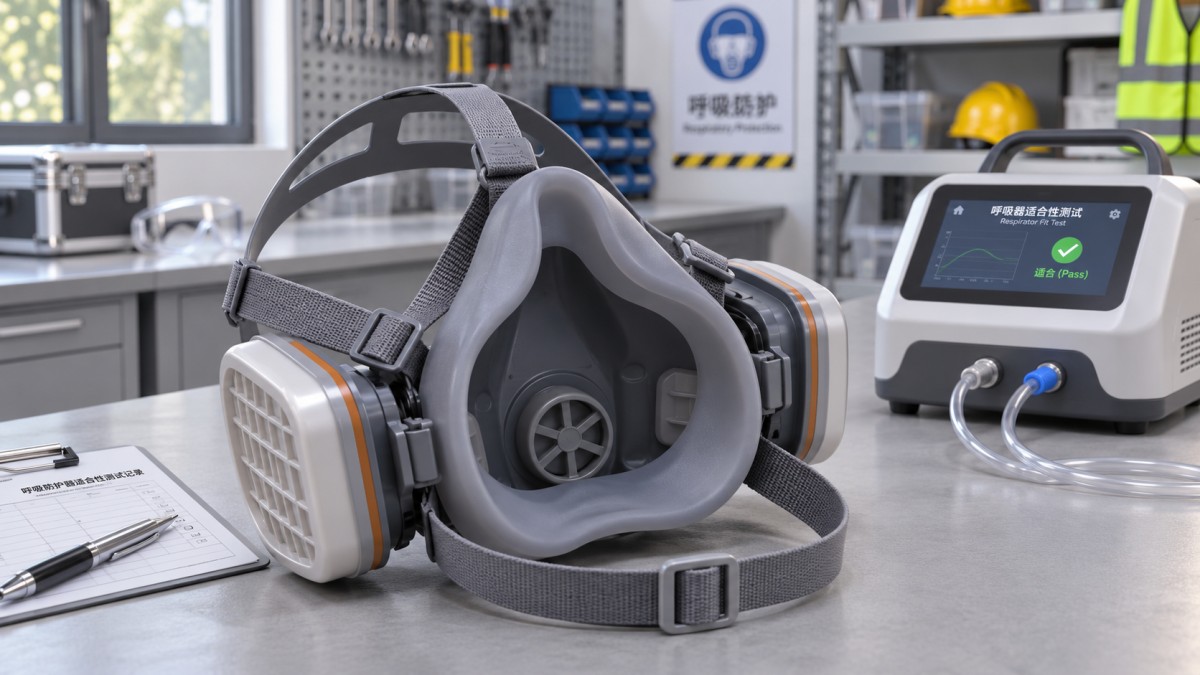
WorkSafeBC’s amendment updates the language and requirements concerning the facial seal of tight-fitting respirators. It clarifies that employers must ensure workers undergo fit testing before using such respirators and that the respirators must meet standards accepted by WorkSafeBC. The amendment took effect on November 6, 2026.
Where the change may affect purchasing and delivery
Employers and workplace purchasers
From an industry perspective, employers and purchasing teams may need to review how respirator selection connects with fit testing before use. Procurement specifications could also warrant review to establish whether the products being considered meet standards accepted by WorkSafeBC. The input does not specify the accepted standards or the detailed testing procedures, so those points require verification.
Manufacturers and suppliers
Suppliers serving workplaces in British Columbia may face closer scrutiny of the standards supporting their respirators. Analysis suggests that product documentation and responses to purchaser questions could become more relevant during selection and delivery. Whether purchasing requirements change in practice will depend on how employers apply the amendment and on any further official guidance.
Fit-testing service providers
Fit-testing providers may be affected as employers review arrangements for testing workers before respirator use. They may wish to check the applicable requirements and discuss scheduling and documentation with clients. The information provided does not establish a change in demand or specify how tests must be documented.
Practical checks for affected businesses
Review product compliance
Employers and purchasers could verify which standards WorkSafeBC accepts and assess the documentation available for the tight-fitting respirators they select. Suppliers could prepare the relevant product information for customer review. These are practical steps for assessing compliance; the input does not identify particular standards or documents.
Review fit-testing arrangements
Employers could examine whether their arrangements allow workers to receive fit testing before using tight-fitting respirators. They may also wish to verify any further official details on testing and recordkeeping rather than assume that the amendment specifies procedures not described in the input.
Check purchasing and delivery plans
Purchasers and suppliers could review specifications, product availability and testing schedules together when planning delivery for affected work. Any effect on lead times or contract terms remains a matter for assessment, not an established outcome of the amendment.
Implementation details remain important
In this analysis, the amendment is best understood as a rule change that has taken effect, while its practical implementation warrants continued attention. Further official information on accepted standards and fit-testing arrangements, together with employer and supplier experience, could affect how businesses assess their products and processes. The input does not establish how the market has responded.
Connecting product selection with worker fit
The change brings employer fit-testing responsibilities and respirator standards into the same compliance discussion. A measured response is to verify the applicable requirements and review purchasing and testing arrangements against them, while monitoring further information on implementation.
Basis for this report and further verification
This article is based on the user-provided news title, event date and summary. No specific official source link was provided in the input, so the amendment and its implementation details require continued verification against official WorkSafeBC publications. Subsequent official guidance, purchasing documents, business implementation and industry feedback may provide further clarity.
Recommended News