
Search News
Industry Portal
Hot Articles
Access Control Upgrade Costs: Hardware, Software, and Maintenance
Time
Click Count
What does an access control upgrade really cost?
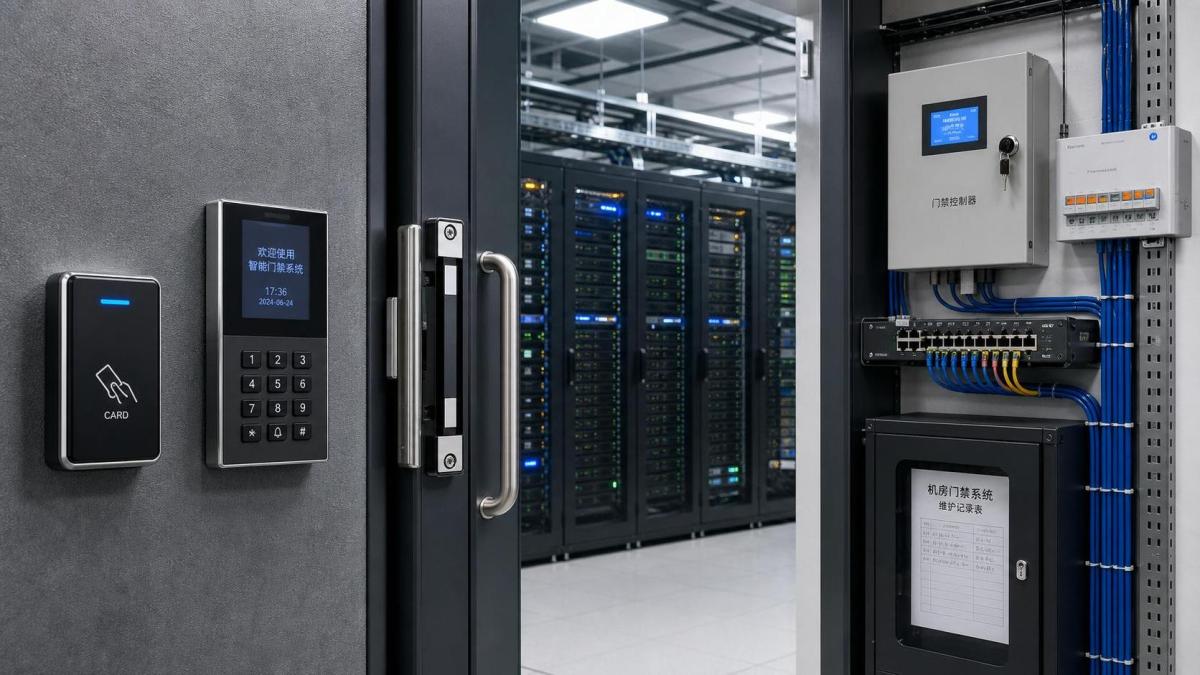
An access control upgrade rarely starts and ends with door readers. The visible hardware is only one part of the budget.
In practice, the full cost includes controllers, credentials, software licenses, wiring, installation, integration, testing, and future service.
That is why cost planning matters early. A low entry quote can become expensive once hidden dependencies appear.
For facilities balancing physical security with operational continuity, access control is part of a wider infrastructure decision.
This is especially true in smart buildings, industrial sites, data centers, logistics hubs, and mixed-use commercial properties.
SHSS often frames these projects as digital gatekeeping investments. The point is not only entry control, but measurable resilience.
A well-planned access control system can lower key replacement costs, reduce guard workload, improve audit trails, and support compliance.
The better question, then, is not “How much is access control?” but “What cost structure fits the site, risk profile, and lifecycle?”
Which cost categories usually shape the budget most?
Most access control budgets are driven by five layers. Hardware is first, but it is rarely the largest surprise.
1) Door hardware and field devices
Readers, electric strikes, magnetic locks, request-to-exit devices, door contacts, and controllers are the core materials.
Biometric readers usually cost more than card readers, especially where anti-spoofing and low-light performance are required.
If a site needs vandal-resistant housings or outdoor-rated devices, the hardware budget moves up quickly.
2) Software and licensing
Modern access control increasingly depends on software. Costs may be one-time, annual, per door, or per user.
Cloud-based access control can reduce server overhead, but recurring subscriptions must be modeled over several years.
3) Installation and integration
Labor often grows when old doors need reinforcement, cabling paths are difficult, or network segmentation is strict.
Integration with video surveillance, visitor management, elevators, fire alarms, or HR systems can add real value and real cost.
4) Training and change management
Admins need training. End users may need new enrollment steps. Security procedures may also need revision.
5) Maintenance and lifecycle support
Readers fail, firmware needs updates, credentials are replaced, and audits require records. These are operating costs, not exceptions.
This breakdown helps compare proposals that may look similar on the surface but differ sharply in total cost.
Is hardware or software the bigger access control expense?
That depends on the site and the operating model. For a small retrofit, hardware and installation may dominate.
For a multi-site deployment, software often becomes more important over time, especially with cloud administration and analytics.
A simple card-based access control setup is usually easier to price. A biometric environment is different.
Face, iris, or fingerprint access control can improve identity assurance, but raises enrollment, privacy, and compliance considerations.
In sectors where spoof resistance matters, higher-grade readers may be justified. The decision should follow risk, not fashion.
SHSS tracks this closely across biometric security projects. Fast recognition is valuable, but stable operation and lawful data handling matter more.
A useful budgeting method is to model access control costs over three to five years, not only at installation.
- If doors are few but traffic is high, durable hardware may pay back faster.
- If sites are many, centralized software can reduce administration time.
- If compliance is strict, reporting and audit features deserve direct budget attention.
- If expansion is likely, license scalability can matter more than initial discounting.
Where do hidden access control costs usually appear?
Hidden costs usually appear in retrofits, integrations, and policy gaps rather than in the reader price itself.
One common issue is door condition. If frames are weak or misaligned, locking hardware performance suffers.
Another is network readiness. Access control devices may need VLAN planning, PoE capacity, secure remote access, and backup power.
Migration costs are also underestimated. Moving from keys or legacy badges to new credentials takes time and coordination.
Then there is policy work. Access levels, temporary permissions, visitor flows, and revocation rules must be defined clearly.
If biometric access control is involved, privacy notices, consent logic, and data retention rules may require legal review.
This is where a strategic lens helps. In the SHSS view, physical security and compliance should be budgeted together.
That approach avoids a familiar mistake: buying a technically advanced system that creates avoidable operational friction later.
How can you judge whether an access control upgrade will deliver ROI?
ROI is rarely a single number. Access control value comes from avoided loss, labor savings, faster response, and better accountability.
A practical evaluation starts with current pain points. Are keys being lost? Are contractors unmanaged? Are audits time-consuming?
Then compare those costs against the new system’s full lifecycle cost, not just the installation invoice.
For example, smart access control can reduce rekeying, shorten incident investigation, and improve shift change efficiency.
In industrial and infrastructure settings, it can also protect critical zones where downtime is more expensive than equipment.
The strongest business case usually combines hard savings with risk reduction indicators.
When the project team cannot explain ROI in operational terms, the access control scope is probably not mature enough.
What should be confirmed before approving the upgrade?
A better approval decision comes from a short list of verifiable questions, not from a low quote alone.
- How many doors need control now, and how many within three years?
- Will the access control system integrate with video, elevators, alarms, or visitor workflows?
- Is cloud software acceptable, or does policy require on-premise control?
- What credential model fits the site: card, mobile, PIN, or biometric?
- What maintenance response time is acceptable for critical doors?
- What compliance obligations apply to identity data, storage, and retention?
It also helps to request a five-year cost view. That should include renewals, service visits, replacements, and planned expansions.
In real-world access control projects, disciplined scope definition prevents more overruns than aggressive price negotiation does.
The strongest proposals usually show technical fit, implementation realism, and lifecycle transparency in the same document.
If the next step is still unclear, start with a door inventory, a risk ranking, and a software licensing map.
That creates a cleaner basis for comparing access control options, challenging hidden costs, and approving the upgrade with confidence.
Recommended News