
Search News
Industry Portal
Hot Articles
Smart City Infrastructure Costs: What Drives ROI in 2026 Projects
Time
Click Count
Smart City Infrastructure Costs: What Drives ROI in 2026 Projects
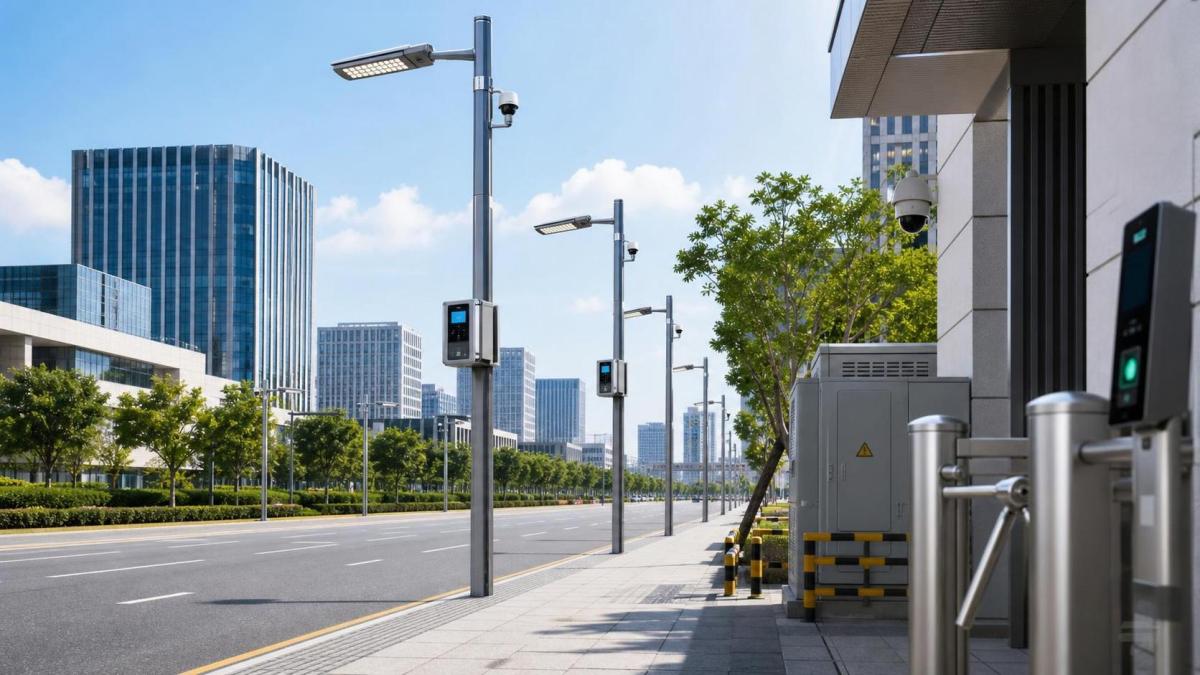
In 2026, smart city infrastructure spending faces sharper review than ever before.
Budgets are tighter, approvals take longer, and return expectations are more demanding.
That changes how procurement teams evaluate every system, component, and integration layer.
The core issue is not upfront price alone.
Real ROI in smart city infrastructure comes from lifecycle value, resilience, interoperability, and risk reduction.
From recent market shifts, one signal is clear.
Cities now compare projects by total operating impact, not by device count or pilot size.
That means smart lighting, biometric access, hardware durability, and worker safety must be assessed together.
When those pieces align, smart city infrastructure becomes easier to justify and faster to scale.
Why cost models for smart city infrastructure are changing
Older models focused on procurement cost, installation cost, and rough maintenance estimates.
That approach no longer works well for 2026 projects.
Smart city infrastructure now depends on data, network reliability, security compliance, and upgrade flexibility.
A cheaper system can become expensive if integration is slow or downtime is frequent.
A higher-priced platform can pay back faster if energy, labor, and incident losses fall quickly.
In practical terms, procurement reviews now ask tougher questions.
- How long will the system remain compatible with future platforms?
- What is the real maintenance burden across five to ten years?
- Will the asset reduce energy use, field visits, and unplanned failures?
- Can it lower compliance, liability, and safety risks?
These questions are now central to every serious smart city infrastructure business case.
The biggest ROI drivers in 2026 projects
1. Energy performance still leads the numbers
For many urban upgrades, smart lighting remains the fastest route to visible savings.
LED fixtures with controls can cut power use, reduce replacement cycles, and improve monitoring.
The best results come from connected systems, not isolated luminaires.
Dimming schedules, occupancy sensing, and ambient light response turn static infrastructure into adaptive assets.
That lowers utility bills while extending equipment life.
2. Maintenance economics matter more than expected
A common mistake is underestimating field service costs.
Truck rolls, night work, spare inventory, and contractor scheduling can erase initial savings fast.
This is where durable hardware changes the ROI equation.
High-strength fasteners, robust enclosures, and long-life components reduce failure frequency in exposed environments.
3. Security upgrades now influence capital approval
Smart city infrastructure is no longer judged only by convenience or automation.
Physical security has become a budget defense argument.
Biometric access systems can reduce credential abuse, improve audit trails, and protect critical facilities.
When linked with compliance controls, they support both operational and governance goals.
4. Safety systems protect schedules, not just people
Safety is often treated as a compliance line item.
In reality, PPE quality, safe tooling, and site protection affect delays, insurance exposure, and rework risk.
For smart city infrastructure projects, fewer incidents often mean faster commissioning and steadier ROI.
Where projects lose money without noticing
The most expensive cost drivers are often hidden early in procurement.
They do not always appear in headline bids.
More often, they emerge during deployment, compliance review, or multi-vendor coordination.
Hidden cost area one: weak interoperability
If systems cannot share data smoothly, staff rely on manual workarounds.
That slows response times and inflates support labor.
Open protocols such as DALI, Zigbee, and compatible access platforms reduce this problem.
Hidden cost area two: poor environmental resilience
Urban infrastructure faces dust, vibration, moisture, heat, and tampering.
If hardware fails under real conditions, ROI collapses quickly.
This is why hardware quality should be valued as a financial control, not a technical preference.
Hidden cost area three: compliance delays
Biometric security can deliver strong benefits, but data governance must be planned early.
If privacy, storage, and access control rules are unclear, approvals can stall.
For smart city infrastructure, schedule slippage is itself a major cost category.
How to evaluate smart city infrastructure suppliers more effectively
In actual procurement work, better questions often matter more than longer specifications.
Supplier selection should connect engineering performance with financial outcomes.
- Ask for lifecycle cost assumptions, not only unit pricing.
- Verify expected service life under real urban conditions.
- Review integration readiness with existing city platforms.
- Check spare parts availability and maintenance response plans.
- Assess cybersecurity and biometric data compliance practices.
- Confirm worker safety support during installation and servicing.
A capable supplier should explain how technical design supports payback speed.
That includes energy savings, maintenance reduction, security improvement, and asset longevity.
A practical ROI framework for 2026 procurement decisions
A useful smart city infrastructure model should stay simple enough to compare options fast.
At the same time, it must reflect real operating risks.
This kind of framework makes smart city infrastructure decisions easier to defend internally.
It also helps compare vendors on measurable business value, not just product claims.
What strong projects do differently
The strongest 2026 projects treat smart city infrastructure as an operating system for urban performance.
They do not isolate lighting, access, hardware, and safety into separate cost silos.
Instead, they connect them through a single ROI logic.
- Choose durable components to protect uptime.
- Use smart lighting to secure fast savings.
- Deploy biometric security where asset protection matters most.
- Strengthen PPE and site safety to protect delivery schedules.
- Demand interoperability before signing long contracts.
This approach is especially useful when funding is phased or politically sensitive.
Quick wins support future approvals, while durable design protects long-term economics.
That is the balance many cities are now trying to achieve.
For 2026 procurement, the smartest move is simple: evaluate smart city infrastructure through lifecycle impact, operational resilience, and measurable return, then buy the systems that keep delivering after installation ends.
Recommended News