
Search News
Industry Portal
Hot Articles
- How does keyless access control for hotels work during a power outage?Dr. Matthias Vance
- Report: Tariff Disruption Could Shift $4 Billion in Aerospace Fastener Revenue by 2030Hardware Mechanics Fellow
- Industrial Fasteners Market Forecast to Reach $128.3 Billion as Tariffs Disrupt Supply ChainsHardware Mechanics Fellow
Industrial Fasteners Market Forecast to Reach $128.3 Billion as Tariffs Disrupt Supply Chains
Time
Click Count
The global industrial fasteners market is forecast to grow from $101.4 billion in 2024 to $128.3 billion by 2030, while recent tariff changes are disrupting supply chains and cost structures across the industry, according to ResearchAndMarkets' Industrial Fasteners Global Strategic Business Report.
The report puts the market's compound annual growth rate at 4.0% over the forecast period. It also identifies Howmet Aerospace, Lisi Group, Bulten and Nifco among the leading companies affected by tariff-related disruption, with businesses accelerating the regional reorganization of production capacity.
Those two findings describe different aspects of the market. The forecast concerns the expected value of the global market over several years; the tariff assessment concerns pressure on how companies organize production and supply. Growth in the overall market would not, on its own, establish how costs or supply arrangements will change for an individual company.
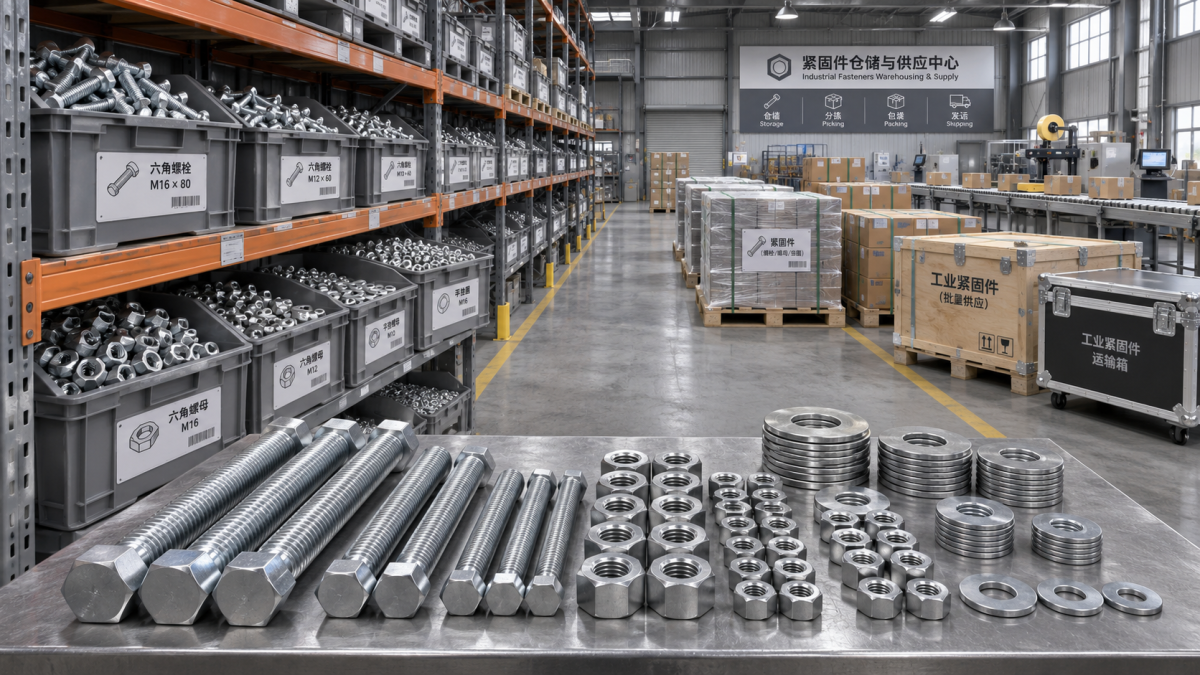
How tariff changes can affect supply decisions
Tariffs can alter the cost of moving products and inputs across borders. For an industrial fastener supplier, that creates a question that goes beyond the tariff charge itself: whether the full cost of supplying a customer has changed enough to warrant a different production or sourcing arrangement.
A company assessing that question may need to compare the cost of its existing supply route with the expense and practical demands of producing closer to the market it serves. Regionalizing capacity can change where costs arise, but it does not automatically remove them. The balance will depend on the products involved, the supply routes affected and the resources needed to reorganize production.
The effects can extend through purchasing and delivery decisions. If a supplier changes where an order is produced or where inputs are sourced, buyers may need to reassess costs and delivery arrangements. The immediate concern may be the cost of existing supply, while a production change would introduce a separate question about how orders are fulfilled during any transition.
The report identifies disruption at four named companies, but the available figures do not establish the size of the impact on each one or describe their individual responses. Their exposure and options could differ according to their supply arrangements. It would therefore be premature to assume that all four face the same cost pressure or will reorganize capacity in the same way.
What the market forecast does and does not show
The projected increase from $101.4 billion to $128.3 billion represents a $26.9 billion rise in market value between the two endpoints. The 4.0% annual growth figure summarizes the forecast over that period; it should not be read as a prediction that the market will grow at the same rate in every individual year.
The forecast is also a market-wide measure. It does not specify how the projected value would be distributed among suppliers or explain how much of the increase would come from changes in prices rather than the volume or mix of fasteners sold. As a result, it cannot by itself be used to estimate the outcome for a particular producer or customer.
Tariff pressure and projected market growth can coexist. A larger forecast market value leaves room for substantial differences in the costs of serving it. Equally, changes to production capacity may affect the way companies compete without determining whether the overall market reaches the projected figure.
The forecast remains a projection, not a guaranteed result. Its eventual outcome will depend on how market conditions develop over the period, including how businesses and customers respond to changes in supply costs.
From cost pressure to production changes
The most direct link between the report's tariff assessment and its discussion of regional capacity is the cost of maintaining existing supply arrangements. When that cost changes, a business may review where it produces and how it serves customers. A decision to move or expand capacity, however, involves more than identifying a cheaper supply route: the company must also consider whether the alternative can meet the requirements of the orders it needs to fulfill.
That distinction matters for interpreting the reported acceleration of regional reorganization. The report points to a shift in how companies are responding to disruption, but it does not establish that a particular production move has been completed, quantify capacity changes or identify the timing of individual decisions. The speed and extent of any changes remain matters for subsequent company disclosures.
For customers, a supplier's review of its production footprint may eventually affect the basis on which they compare offers: price is one consideration, while the location of production and the reliability of delivery arrangements may also matter. Whether those factors change in a particular purchasing relationship depends on the supplier's response and the terms of the order.
Further company announcements and public information about tariff measures could help clarify which supply routes and costs are affected, whether planned capacity changes proceed and how delivery arrangements evolve. The central question raised by the report is how much of the current cost pressure translates into lasting changes in where industrial fasteners are produced and supplied.
Recommended News