
Search News
Industry Portal
Hot Articles
China Tightens Export Filing for High-Strength Bolts
Time
Click Count
Effective July 1, 2026, China will require pre-export 100% type-test filing for certain high-strength bolts shipped to 32 countries across Europe, North America, and Australia-related markets, making this a compliance issue that deserves close attention from exporters, manufacturers, testing providers, and overseas buyers. The move is worth watching not only because it changes shipment preparation for covered products, but also because it links export clearance more directly to traceability concerns raised by recent fracture investigations involving bridge and wind power bolts in multiple countries.
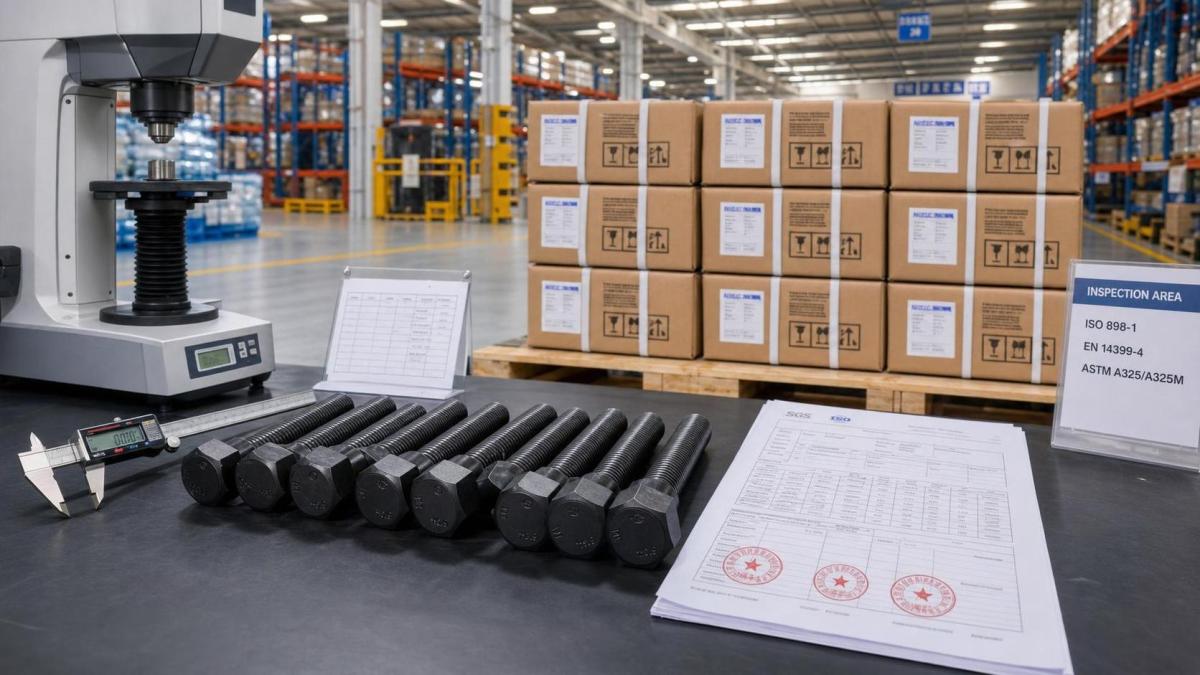
What the new customs notice confirms
According to an announcement issued by the General Administration of Customs of China on June 16, 2026 (Announcement No. 48 of 2026), a filing-based control measure will apply from July 1 to exports of High-strength Bolts to 32 specified countries in Europe, the Americas, and Australia-related markets. The scope described in the provided information includes ASTM A325/A490 products and products above ISO 898-1 Class 10.9.
The requirement is described as a 100% type-test filing system before export. The filing must be supported by a report issued by a CNAS-accredited laboratory, and the report must be uploaded to the Smart Customs system.
The stated purpose of the measure is to respond to recent traceability reviews launched by multiple countries after bolt fracture incidents involving bridge and wind power applications.
Where the impact is likely to be felt first
Export operations may face a tighter documentation gate
From an industry perspective, direct exporters are likely to feel the change first because the new requirement sits at the pre-export stage. The immediate impact is not only product qualification, but also document timing, filing completeness, and coordination with the customs submission process. What deserves closer attention is whether internal shipment schedules already allow enough time for laboratory reporting and system upload.
Manufacturing lines will be more exposed to test-readiness issues
For processing and manufacturing enterprises producing covered bolt grades and specifications, the new rule may affect how production batches are aligned with testing and filing preparation. Analysis shows the practical pressure point may lie in the handoff between finished goods, laboratory verification, and export release preparation, especially for orders tied to delivery windows in the covered overseas markets.
Testing and compliance service links become more central
Because the notice specifies CNAS-accredited laboratory reports and upload through the Smart Customs system, compliance service providers and testing partners become more important in the export chain. Observably, the main issue is not only whether testing can be completed, but whether the resulting documentation matches filing requirements in a usable and timely way.
Overseas buyers may pay closer attention to traceability communication
For procurement parties and end-use customers in infrastructure-related fields, the notice may influence pre-shipment communication, document requests, and delivery planning. The direct reason is that the measure is linked to traceability reviews following fracture incidents, so customers may become more focused on proof of conformity and filing status before cargo movement.
What companies should watch in the coming weeks
Confirm whether products fall within the stated scope
Companies should first review whether their exported products match the standards and strength classes described in the provided notice information, especially ASTM A325/A490 and products above ISO 898-1 Class 10.9, and whether their destination markets are among the 32 countries covered by the measure.
Check laboratory and filing workflows before shipment dates
What deserves closer attention is the operational sequence between testing, report issuance by a CNAS-accredited laboratory, and upload to the Smart Customs system. In practice, businesses should distinguish between understanding the policy text and being ready to execute it within actual shipping timelines.
Prepare customer communication around lead time and documents
For teams handling overseas orders, it is reasonable to review how the new filing step may affect contract execution, shipment planning, and document sharing with buyers. Analysis shows that early communication may matter where customers are sensitive to traceability, certification flow, or delivery milestones.
Continue tracking any follow-up clarification
The current notice provides the core requirement, but companies should continue watching for any further official wording, implementation clarification, or operating guidance related to covered products, filing practice, and system submission details. This is especially relevant for businesses with frequent shipments to the affected destinations.
How this move may be understood at this stage
Observation suggests this should be read first as a compliance tightening tied to traceability concerns, rather than as a broad conclusion about all fastener exports. The measure is specific in product scope, destination scope, and documentary requirements, which indicates a targeted response to recent scrutiny surrounding failure investigations in bridge and wind power applications.
It is more appropriate to understand this as both a short-term operational change and a longer-term signal. The short-term change is clear: covered exports now require a more formal pre-export filing path. The longer-term signal is that traceability, testing credibility, and documentation discipline may carry greater weight in cross-border trade for safety-critical fastening products. At the same time, the wider market effect still requires continued observation.
Why the development merits continued attention
At this point, the industry significance lies less in headline impact and more in how export execution is being connected to test evidence and customs-side digital filing. For affected companies, the issue is practical: whether existing production, testing, and delivery coordination can absorb the new requirement without disruption.
A balanced reading is that this is not merely a routine paperwork update, but it is also too early to generalize it into a full-market conclusion. It is more appropriate to view the development as a targeted regulatory signal with immediate operational consequences for covered high-strength bolt exports and possible longer-term implications for compliance expectations in safety-sensitive applications.
Basis of this article and what still needs verification
This article is generated based on the user-provided news title, event date, and event summary. The confirmed facts used here come from the provided description of the June 16, 2026 customs announcement, its July 1 effective date, the covered product scope, the CNAS-accredited laboratory report requirement, the Smart Customs upload requirement, and the stated policy purpose related to traceability reviews after recent fracture incidents.
For this type of industry update, common source categories usually include official customs notices, company announcements, industry association information, authoritative media coverage, and standards-related documents. A specific official source link was not provided in the input, so the precise source document link still needs ongoing verification. Follow-up attention should focus on any later official clarification regarding implementation details, covered destinations, filing practice, and operational guidance.
Recommended News